The consolidation wave is hitting South Korea's skies hard. In a major reshuffling, three of the country's largest budget airlines are collapsing into a single carrier, part of a broader restructuring that's reshaping the entire nation's aviation landscape.
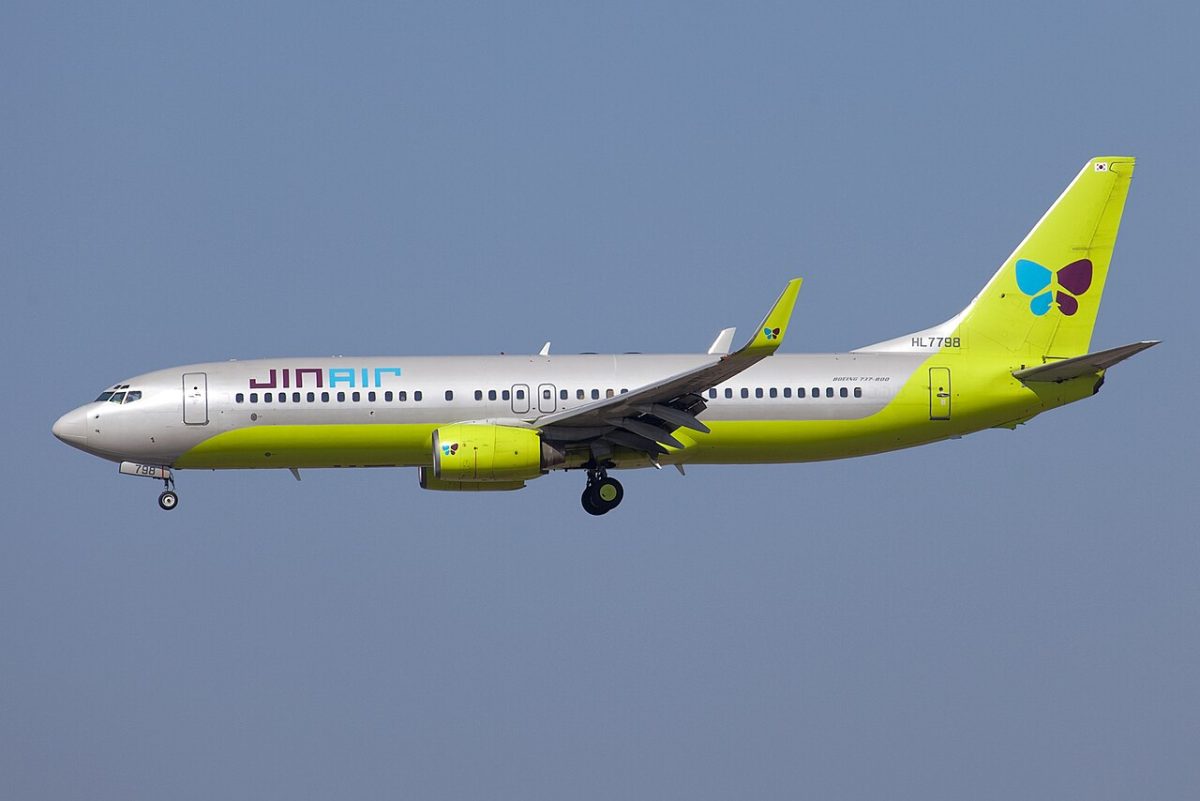
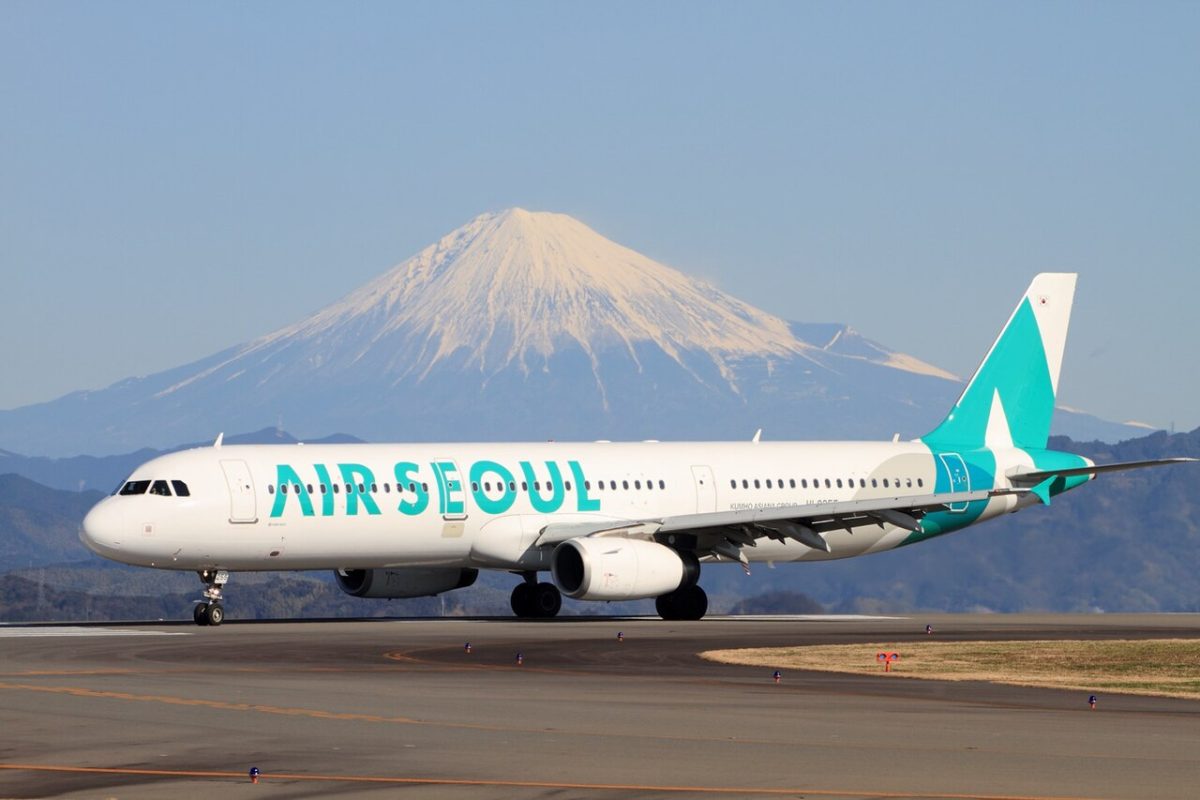
Starting March 17, 2027, Jin Air, Air Busan, and Air Seoul will operate under one banner. All three carriers belong to the Hanjin group, a sprawling conglomerate with fingers in shipping, logistics, and air travel. The boards of directors signed off on the deal in August 2026, but it still needs shareholder approval in December and regulatory green lights before takeoff.
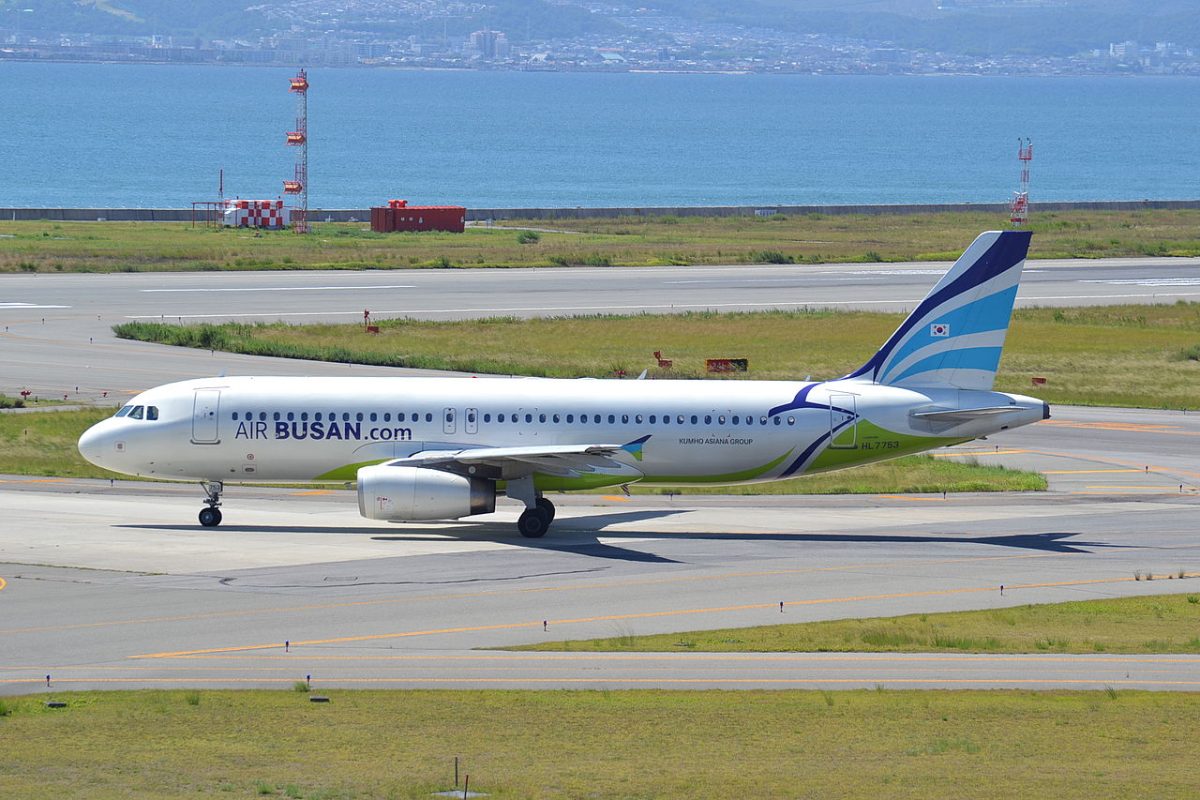
The new unified airline will inherit everything from its component parts: planes, staff, contracts, routes, and debt. Jin Air is absorbing Air Busan and Air Seoul entirely, though the exact share exchange ratio (0.75 for Air Seoul shares, 0.29 for Air Busan) matters mainly to investors. What travelers should care about is that 58 aircraft will soon fly as Jin Air, potentially opening up more route options and easier connections between the three airlines' current networks.
Why this matters for budget flyers
South Korea's low-cost carrier market has been fragmented, with several carriers nipping at each other's heels. Consolidation typically brings two opposing outcomes: better logistics and expanded route networks, or higher prices and fewer competitors. Jin Air's statement emphasizes building "a new growth foundation for Korea's low-cost carrier industry," which sounds optimistic, though the company hasn't yet revealed how ticket prices might shift or what happens to existing bookings after the merger date.
Travelers who've already bought tickets for flights departing after March 2027 remain in a gray zone. Jin Air promised to prioritize a smooth integration, including a unified loyalty program that should theoretically work across all current routes. That's a genuine perk for frequent flyers hopping between Seoul, Busan, and the rest of Southeast Asia.
Getting this merger off the ground requires more than board votes. South Korea's Ministry of Land, Infrastructure, and Transport must issue an Air Operator Certificate, the safety approval that lets airlines actually fly. Jin Air is already updating manuals and training personnel across all three carriers, preparing for a staged integration of Air Busan and Air Seoul operations into Jin Air's existing certificate. This bureaucratic hurdle is essential but rarely makes headlines, despite being absolutely critical for smooth operations.
The bigger consolidation story
This budget airline merger isn't happening in isolation. It's the logical second act in a larger drama involving Korean Air's $1.3 billion acquisition of Asiana Airlines, which closed in December 2024 and will finalize as a full merger on December 17, 2026. Originally, Jin Air was a Korean Air subsidiary, while Air Busan and Air Seoul were Asiana's discount brands. Now that the full-service carriers are becoming one company, folding their budget arms into a single entity makes operational sense.
Hanjin's consolidation strategy reflects a global trend in aviation where size increasingly matters. Bigger fleets mean better negotiating power with fuel suppliers, more efficient route planning, and the ability to weather economic downturns. For travelers, it can mean cheaper tickets through economies of scale, or it can mean less competition and higher fares. Only time will tell which version of history South Korea gets.
Until December's shareholder votes and the Ministry's certification arrive, nothing is certain. But come March 2027, South Korea's budget-conscious travelers will be dealing with a very different low-cost landscape than they do today.