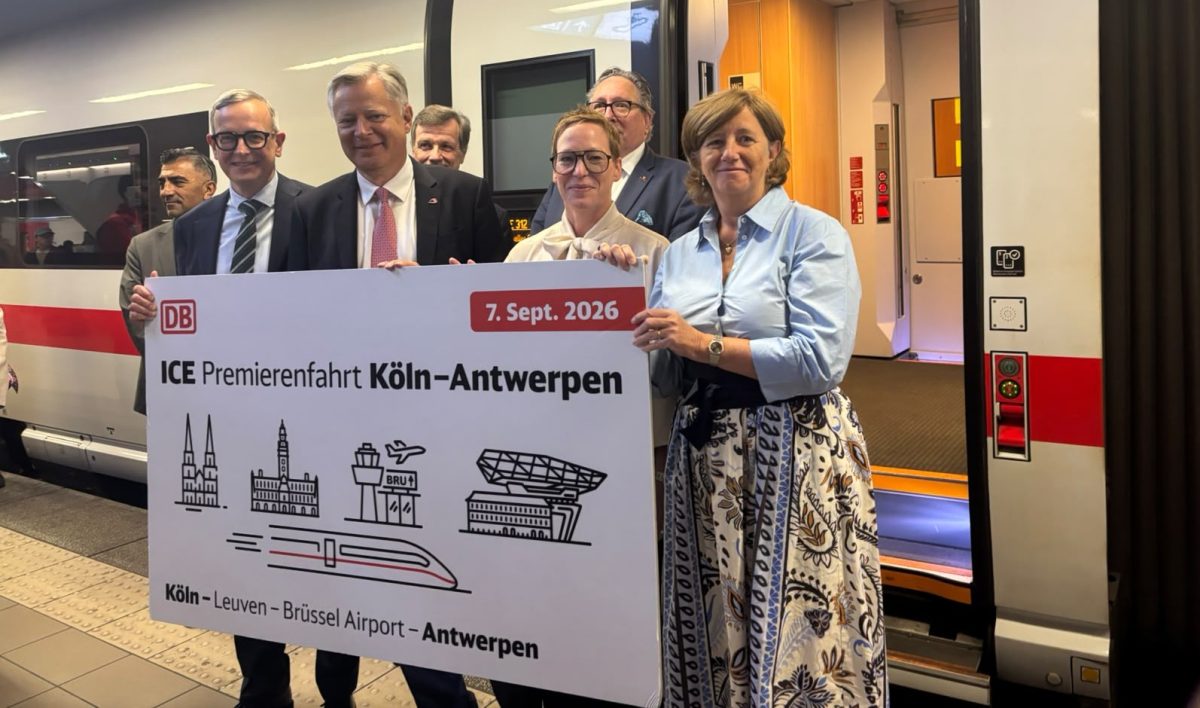
Brussels Airport just reclaimed a piece of its past. On Monday, the first direct high-speed train from Cologne, Germany pulled into the airport station, marking the return of international rail service to Zaventem for the first time since 2015. It's the kind of quiet infrastructure win that actually changes how people move across Europe.
The new ICE connection between Cologne and Antwerp (with a stop at Brussels Airport) is a partnership between Brussels Airlines and Deutsche Bahn. What makes this different from simply adding more trains is the booking flexibility. German travelers from western Germany can now buy a single ticket combining rail and flight, a surprisingly simple innovation that takes friction out of intermodal travel. In the first few months since the February announcement, over a thousand passengers have already jumped on it.
"We can now welcome more guests onto our network without needing to add more flights," said Brussels Airlines CFO Nina Öwerdieck. That's airline-speak for winning growth on routes you already operate. The airport itself serves 180-plus destinations worldwide, with New York, Accra, and Alicante leading among travelers who combine train and plane journeys.
What the schedule looks like
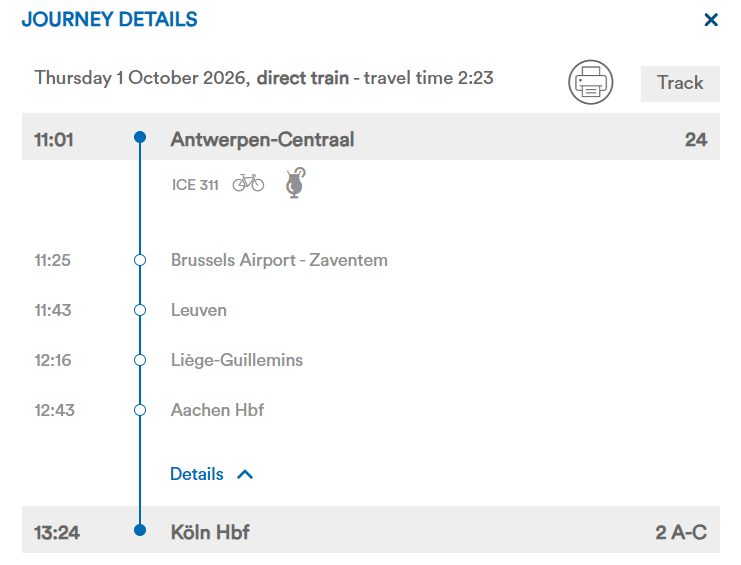
Two trains run each direction daily. Trains departing Cologne arrive at Brussels Airport at 08:29 and 16:28. The return services leave the airport at 11:29 and 14:29. Along the way, they stop in Aachen, Liège, and Leuven, giving you multiple connection points across the region. The journey from Cologne itself takes roughly 3 hours.
Passengers mixing train and plane get reserved seating, Miles & More points through Deutsche Bahn's loyalty program, and guaranteed connection protection if trains run late. Premium passengers access the DB Lounge at Cologne Central Station. There's also a CityTicket for local transport in both Cologne and Aachen. To mark the inaugural service, first passengers received complimentary Neuhaus chocolates, a nice touch that only a Belgian carrier would remember.
A brief history of rail at the airport
Brussels Airport holds a distinction rarely discussed: when it opened in 1958 (just ahead of the World Fair), it became the first airport anywhere with a railway station built directly into the terminal. Rail wasn't an afterthought here; it was part of the airport's DNA from day one. That connection frayed over time, and the loss of international high-speed service in 2015 felt like letting history slip away.
"The train has always held a special place at the airport," airport chief Arnaud Feist said when welcoming the Cologne service. Today, 330 trains pull into the airport station on weekdays, serving 80 stations directly. That number is expected to grow as more services launch.
For anyone exploring Brussels itself, this connection matters beyond airport logistics. It opens up weekend trips to Cologne without renting a car, or day visits to Aachen. You can hop on a train at 16:28 in Brussels, be in Cologne by early evening, and catch a flight the next morning. Or reverse the journey for visitors arriving from Germany.
Feist has bigger ambitions. This Cologne service, he says, is meant to be the start of a larger high-speed rail network radiating from the airport. The message is clear: Brussels wants to position itself as a multimodal hub where train and plane work together rather than compete. In an era when carbon-conscious travelers increasingly skip short-haul flights, that shift has both practical and environmental appeal.
Deutsche Bahn's board member for long-distance travel, Dr Michael Peterson, framed it simply: "Direct trains make international rail travel easier and more appealing." Sometimes that's all travelers need to hear.