For years, the same story has played out across Europe's most famous cities. Tourists cram into piazzas, queue for hours at museums, and locals watch their neighborhoods transform into open-air souvenir shops. The numbers tell the tale: roughly 80% of global travellers visit just 10% of destinations worldwide, and Europe's most famous capitals bear the brunt of that weight.
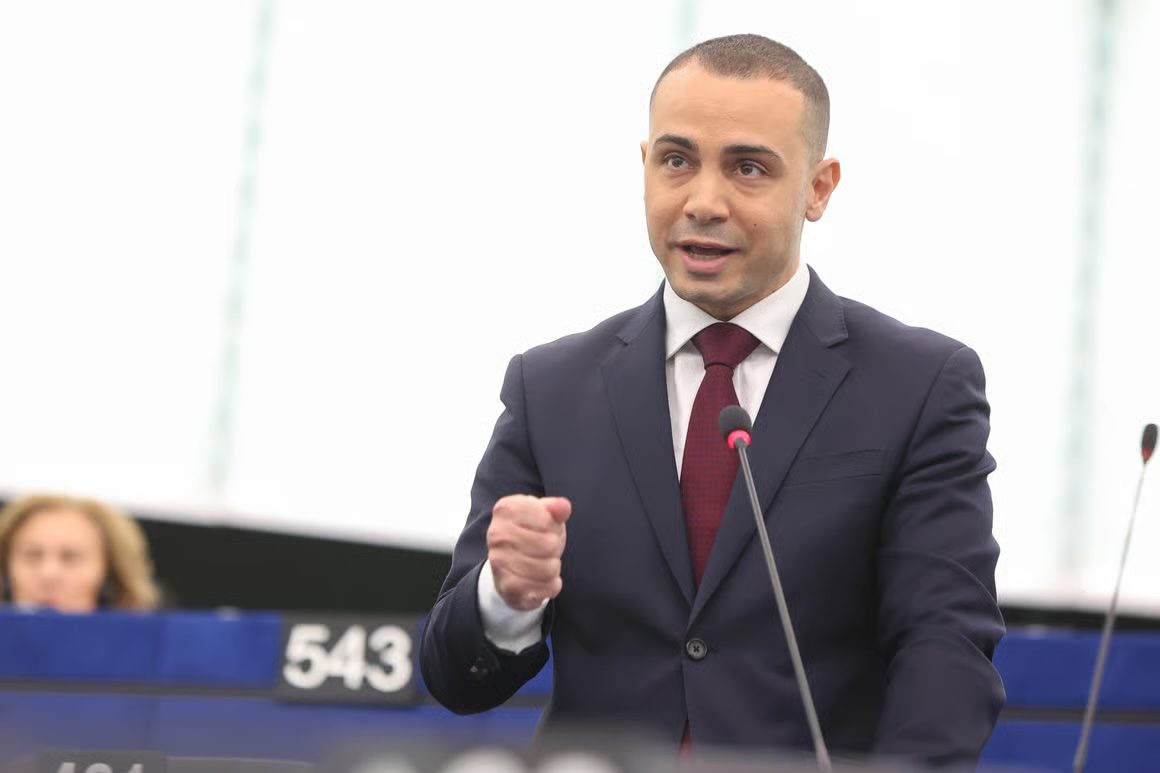
Now Europe's parliament is pushing back. The Transport and Tourism (TRAN) committee recently backed a sweeping set of proposals that amounts to a fundamental rethink of how the continent manages tourism. The vote passed with 33 in favor, four against, and four abstentions, signalling strong backing for a shift toward what MEP Daniel Attard calls "Europe's first sustainable tourism strategy." The European Commission plans to unveil its own comprehensive tourism strategy in spring 2026, and this parliamentary push sets the tone for what comes next.
The core insight behind the proposals is simple but bold: stop treating tourism as a numbers game where volume equals success. Instead, steer visitors toward places that desperately need the money and can actually handle the crowds. That means rural villages, mountain towns, remote regions, and destinations built around wine, food heritage, cycling, and cultural experiences rather than yet another selfie at a famous monument.
Breaking the Overtourism Cycle
The parliament's focus on redirecting visitor flows addresses one of Europe's sharpest travel headaches. Venice sinking under its own popularity. Barcelona struggling to absorb millions of cruise passengers. Small Greek islands running out of fresh water. These aren't new problems, but they're getting worse, and Europe's tourism industry is finally ditching its playbook.
The TRAN committee sees opportunity in the lesser-known destinations that tourists rarely consider. Wine regions, mountain trails, heritage routes, and culinary destinations can extend the travel season beyond summer peaks, generate jobs in areas that need them, and reduce strain on the places everyone visits anyway. It's not about preventing tourism to famous sites. It's about creating magnetic alternatives that pull some of that pressure elsewhere.
Connectivity as the Secret Weapon
You can't redirect tourism without decent transportation. The committee is pushing the European Commission to back better connections to emerging destinations through improved air, sea, and rail links. That includes expanding night train services across borders, rolling out electric vehicle charging stations, and building ticketing systems that work across different transport types. Getting to a small Portuguese wine village or a Croatian coastal town shouldn't require a logistics degree.
The proposals also recognize that transport itself matters for the climate. They emphasize electric mobility, railway expansion, and integrated systems that make the journey as seamless as the destination. When you make reaching off-the-beaten-path places easier and greener, more people actually go there.
The Short-Term Rental Reckoning
One of the most contentious issues facing European cities right now involves short-term rental platforms. Property owners turn apartments into mini hotels, locals get priced out, neighborhoods lose their character. New EU rules take effect in May 2026, but the parliament wants stronger guardrails. They're calling for clearer standards, caps on rental properties where needed, zoning restrictions, and authorization schemes that give countries and cities real power to control how rentals reshape their communities.
Taxing Tourism for Community Benefit
Several European destinations have started charging environmental taxes on tourists, with proceeds funding local projects and conservation. Rome's Trevi Fountain entry fee, Barcelona's tourist tax, and similar schemes across the continent show how money from visitors can directly benefit residents and protect fragile sites. The parliament wants the EU to help regions share these strategies and design fair systems that balance revenue with competitiveness.
The Labor Crisis Nobody's Talking About
Tourism creates millions of jobs across Europe, but the sector faces a stubborn workforce shortage of roughly one million workers. The parliament proposes creating a tourism skills card that lets workers document qualifications across borders, making it easier for people to move between countries and take positions in emerging destinations. That addresses both the immediate labor crunch and the challenge of building tourism infrastructure outside the usual hotspots.
The proposals also lean heavily on supporting cultural professionals and volunteers who preserve Europe's heritage. Guidelines that encourage volunteer work and community engagement could strengthen the human side of tourism, turning visits into more authentic encounters rather than transactional experiences.
A Strategy Coming Into Focus
Tourism accounts for roughly 10% of EU GDP and supports millions of businesses and jobs. It's also incredibly vulnerable: climate change, geopolitical tensions, infrastructure limits, and workforce gaps all threaten its stability. The upcoming EU strategy aims to maintain Europe's position as a global tourism leader while ensuring that benefits actually reach local communities and that the sector can adapt to climate realities.
The TRAN committee's recommendations provide a blueprint. They signal that Europe's political leadership understands the problem and is willing to think differently about solutions. The question now is whether the Commission's spring 2026 strategy will match this ambition, and whether member states will actually enforce the framework. For travelers, the potential payoff is clear: a chance to visit Europe in ways that feel more genuine, less crowded, and genuinely beneficial to the places they visit.