Europe has a weight problem, and it's not just about waistlines. A recent study by the Office of Health Economics (OHE) for the pharmaceutical lobby EFPIA reveals that obesity and related conditions are responsible for 278,000 deaths annually across eight European countries, including Germany, France, Italy, Spain, Ireland, Greece, Romania, and the UK. The economic toll is staggering, with costs ranging from 0.7% to 1.4% of national GDP, and in some cases, exceeding what these nations spend on defense.
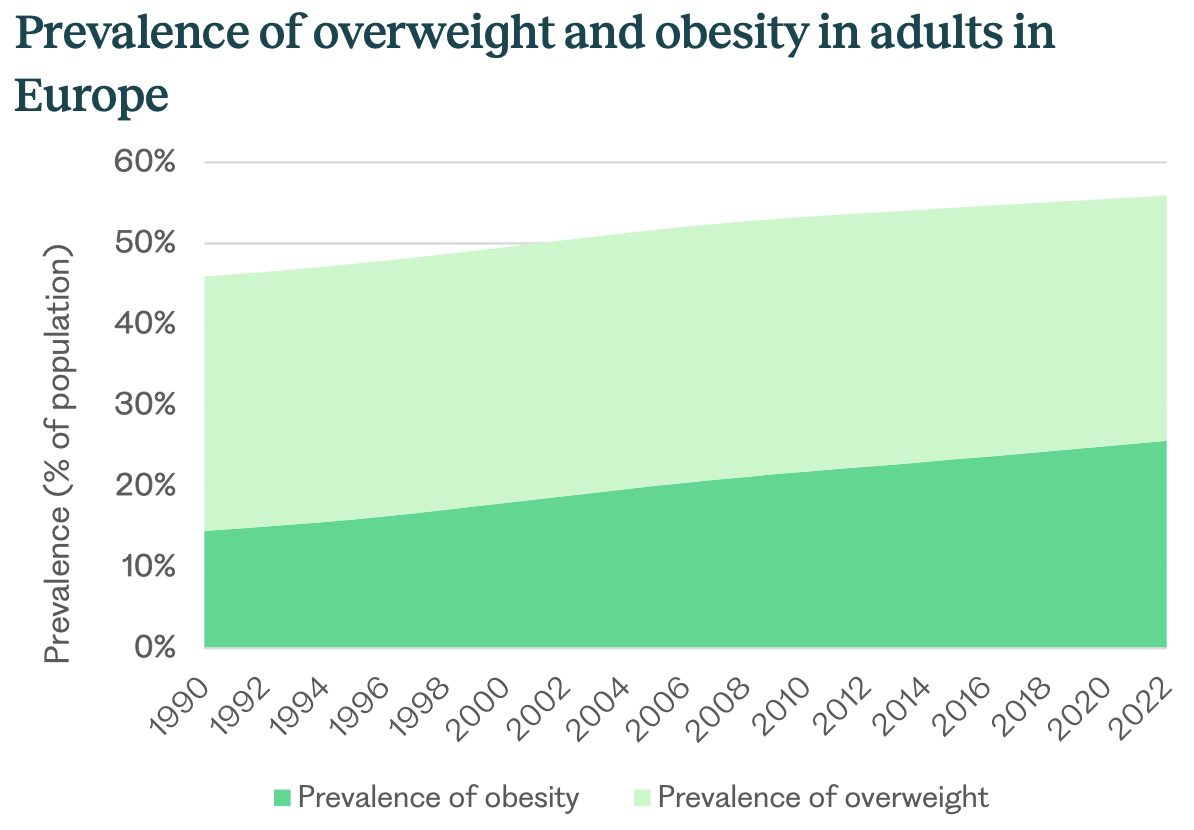
The numbers are climbing faster than a hiker on the Alps. Since 1990, overweight and obesity rates have jumped by 22%, with obesity alone soaring by more than 75%. Today, 26% of European adults are obese, and another 30% are overweight. If trends continue, the World Obesity Federation predicts that by 2035, half the world's population will be overweight or obese. This isn't just a health crisis; it's a financial one that affects every taxpayer.
Germany bears the heaviest burden, with annual costs of €55.2 billion, followed by the UK at €43.2 billion. France, Italy, and Spain each face costs between €19.6 billion and €23.3 billion. Even smaller nations like Greece, Ireland, and Romania are not spared, with costs ranging from €2.5 billion to €3.4 billion. Per capita, that's €131 for every Romanian and €662 for every German. To put it in perspective, these costs exceed defense spending in Germany (1.3% of GDP vs. 1.1%), Spain (1.2% vs. 0.9%), and Ireland (1.1% vs. 0.4%).
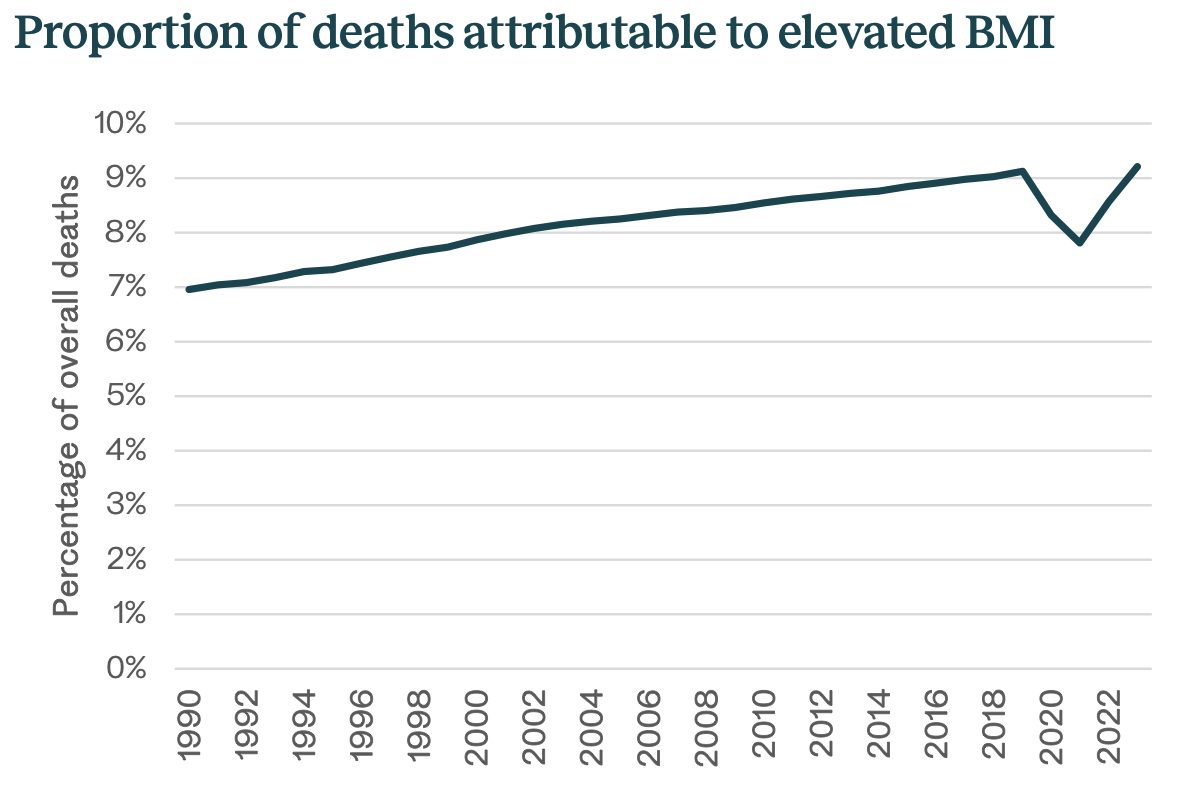
The health implications are dire. Elevated BMI is most strongly linked to type 2 diabetes, accounting for nearly 60% of healthy years lost to that disease. It also drives cardiovascular disease, kidney and fatty liver disease, cancers, neurological disorders, and respiratory issues. These conditions cost health systems €100.4 billion annually, with Germany alone spending €30 billion. But the financial drain doesn't stop at hospital bills. Indirect costs, including absenteeism, early retirement, and premature death, make up between 18% (France) and 58% (UK) of the total burden. This highlights the need for a cross-governmental response, as EFPIA's Director General Nathalie Moll puts it.
Past efforts to curb obesity have largely failed. The study's authors argue for a fundamental shift in how we perceive, prevent, and treat obesity. They recommend formally recognizing obesity as a disease, tackling stigma, improving access to care, and integrating obesity into broader health strategies like the EU's Safe Hearts Plan. Recognition is key, as it would align obesity care with other chronic diseases and improve treatment access.
This comes at a time when GLP-1 weight-loss drugs are flooding the market, but reimbursement varies wildly across countries. EFPIA argues that access to these treatments should be part of a comprehensive strategy that includes prevention, diagnosis, and long-term care. While the long-term effects of these drugs are still being studied, greater public investment in research and prevention could go a long way toward reducing the burden.
For travelers, this is a reminder that health systems across Europe are under strain. If you're planning a trip, consider how these costs might affect healthcare access or insurance premiums. And while you're exploring, maybe skip the extra pastry and take a walk instead. After all, Europe's streets are about to get a whole lot kinder, so there's no excuse not to stroll. For more on how Europe is changing, check out Europe's Streets Are About to Get a Whole Lot Kinder.
The study's full findings are available in the OHE report, which offers a detailed look at the economic impact. As Europe grapples with this crisis, it's clear that the cost of inaction is far greater than the price of change. Whether you're a policymaker or a traveler, the message is clear: obesity is a burden we all share, and addressing it is not just a health imperative but an economic one.
So next time you're planning a European adventure, remember that the continent is facing challenges beyond just crowded tourist spots. From London's metro pass costs to the airport building spree, Europe is evolving. And while obesity might not be on your travel checklist, it's shaping the continent's future in ways you might not expect.