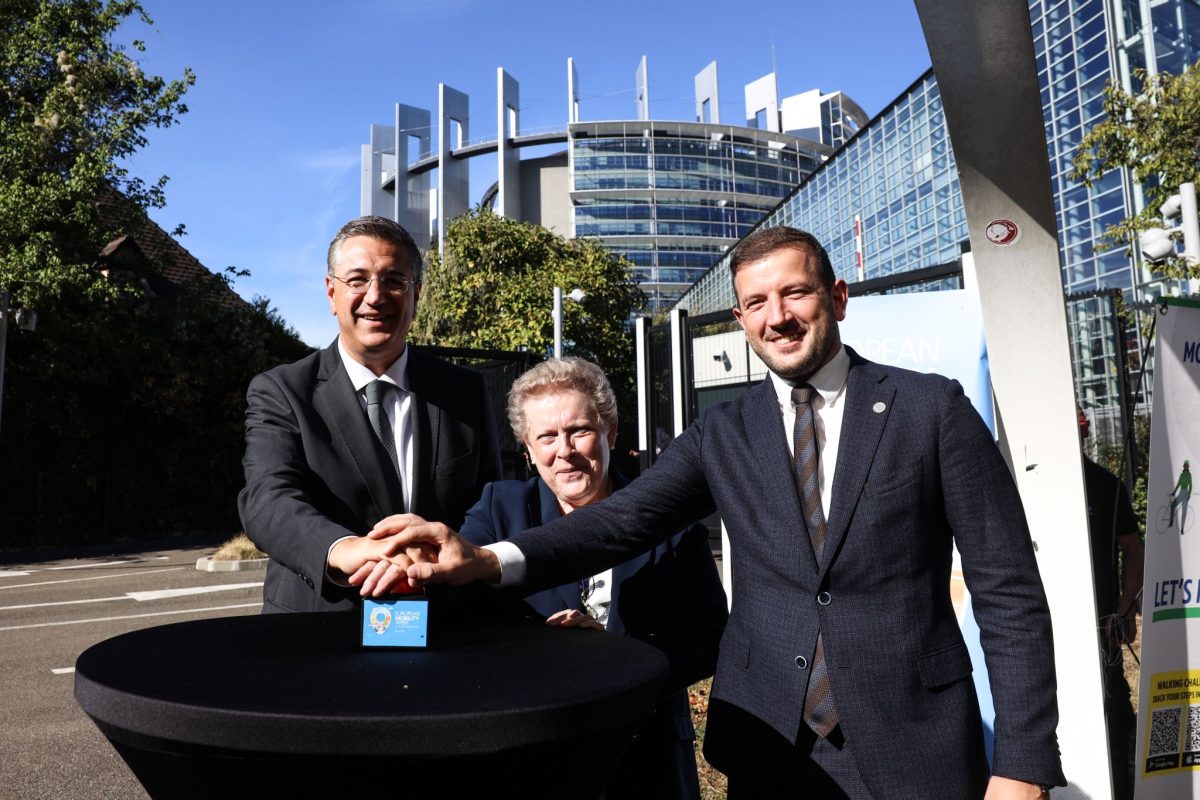
For 25 years, a quiet revolution has been rolling across Europe's streets. It doesn't involve new high-speed rail lines or flying taxis. It's simpler than that. European Mobility Week, which kicked off on 16 September 2026 in Strasbourg, is a seven-day push to rethink how we get around. The goal is to make cities friendlier for walking, cycling, and public transport, and to remind us that the journey matters as much as the destination.
This year's edition carries a special weight. The focus is on intergenerational fairness, a theme that resonates in an aging continent. The European Commissioner for Sustainable Transport and Tourism, Apostolos Tzitzikostas, put it plainly: transport must work for everyone. That means accessible sidewalks, safe crossings, and public spaces where a grandmother and a toddler can both feel at home.
More Than a Week of Events
Since its first year in 2001, the initiative has grown from a handful of towns to a global movement. More than 2,500 cities across Europe and beyond, from Albania to Colombia and South Korea, are taking part this year. The legacy is tangible. Pedestrian zones have expanded, wheelchair ramps have appeared, and cycling networks now stretch across borders. Even electric vehicle charging points owe some of their spread to this annual nudge.
In Aveiro, Portugal, the action spans both ends of the age spectrum. A "Kidical" mass bike ride, organized by and for children and their families, will fill the streets with small wheels and big smiles. At the same time, the city is launching a "senior mobility charter" to ensure older residents aren't left behind. It's a reminder that mobility isn't just about getting from A to B. It's about independence, dignity, and connection.
From Kassel to Differdange
Germany's Kassel is taking a multigenerational approach. A walk will bring residents from local care homes to the forefront, letting their voices shape future street design. Meanwhile, a family treasure hunt with a transport theme will turn the city into a playful classroom. In Differdange, Luxembourg, Car-Free Day on 22 September will feature BMX demonstrations taking over the town center. But the changes won't vanish when the week ends. New bike ramps and expanded 30 km/h zones will leave a permanent mark.
These local actions add up to a bigger picture. The week culminates in Car Free Day, a global invitation to park the car and rediscover the city on foot or by bike. It's a simple idea with profound effects. Streets become playgrounds. Air gets cleaner. Neighbors actually talk to each other.
How to Get Involved
If your city isn't on the list, there's still time. Businesses, NGOs, schools, and local governments can register their own Mobility Action online. The campaign runs year-round, so the conversation doesn't end when the week does. And if you're planning a trip, consider timing it to catch the buzz. Cities like Thessaloniki are already hosting mobility brainstorms, while others are using the momentum to rethink their public spaces.
For travelers, this is a chance to see cities in a different light. Instead of hopping in a taxi, you might join a guided bike tour or a walking route that locals swear by. The return of rail lines in the Nordic north is another sign that sustainable travel is becoming the norm, not the exception.
European Mobility Week isn't just about policy. It's about the joy of moving through a city without a windshield. It's about the breeze on your face as you pedal past a café, the sound of children laughing in a street that used to be a parking lot. That's a future worth celebrating.