Europe's airports are gearing up for a travel boom, with cranes and concrete already reshaping hubs from Lisbon to London. But a new report from environmental group Transport & Environment (T&E) throws a cold bucket of reality on those grand plans: the expansion spree could shove aviation emissions far beyond what the climate can absorb.
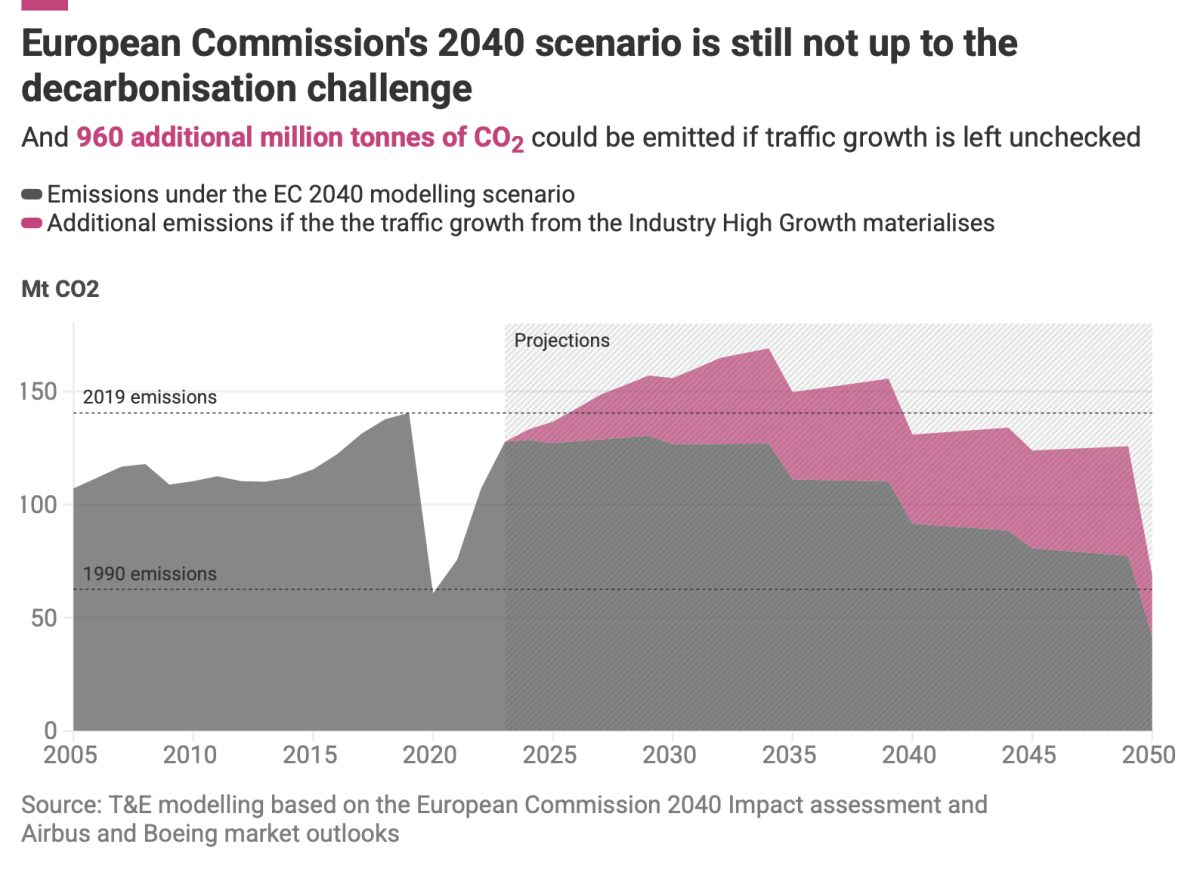
Published on 15 September, the study looked at 20 major airports across 10 countries, comparing their growth blueprints and traffic forecasts against a carbon budget aligned with limiting global warming to 1.7°C. The verdict? Every single airport would blow past its fair share, even after factoring in cleaner fuels and more efficient engines. The overshoot is stark: emissions could land at two to three times the allocated budgets by 2050, with the expansions adding roughly 225 million tonnes of CO₂ compared to today's capacity.
The Clock Is Ticking
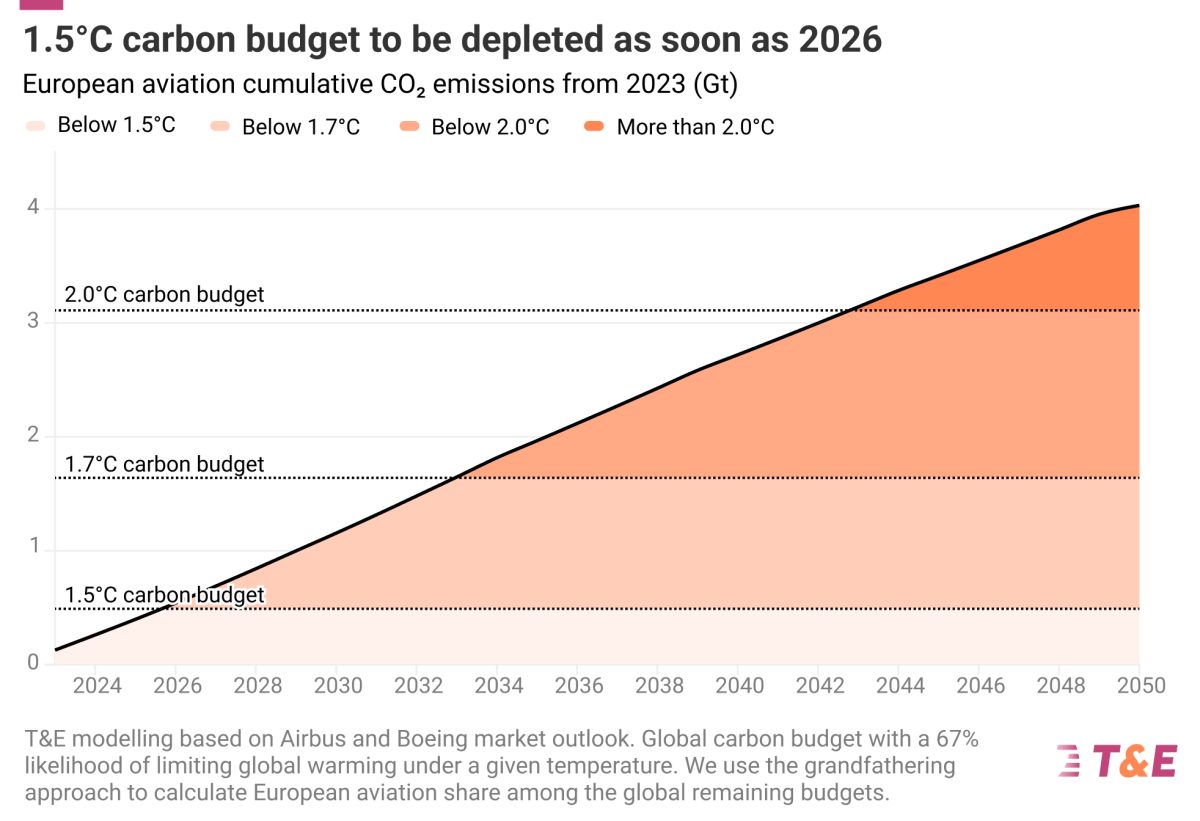
If current growth trajectories hold, European aviation will exhaust its 1.5°C carbon budget as early as 2026, and the 1.7°C budget by 2033. Most of the airports studied would burn through their individual allowances during the 2030s. That's not a distant problem. That's next decade.
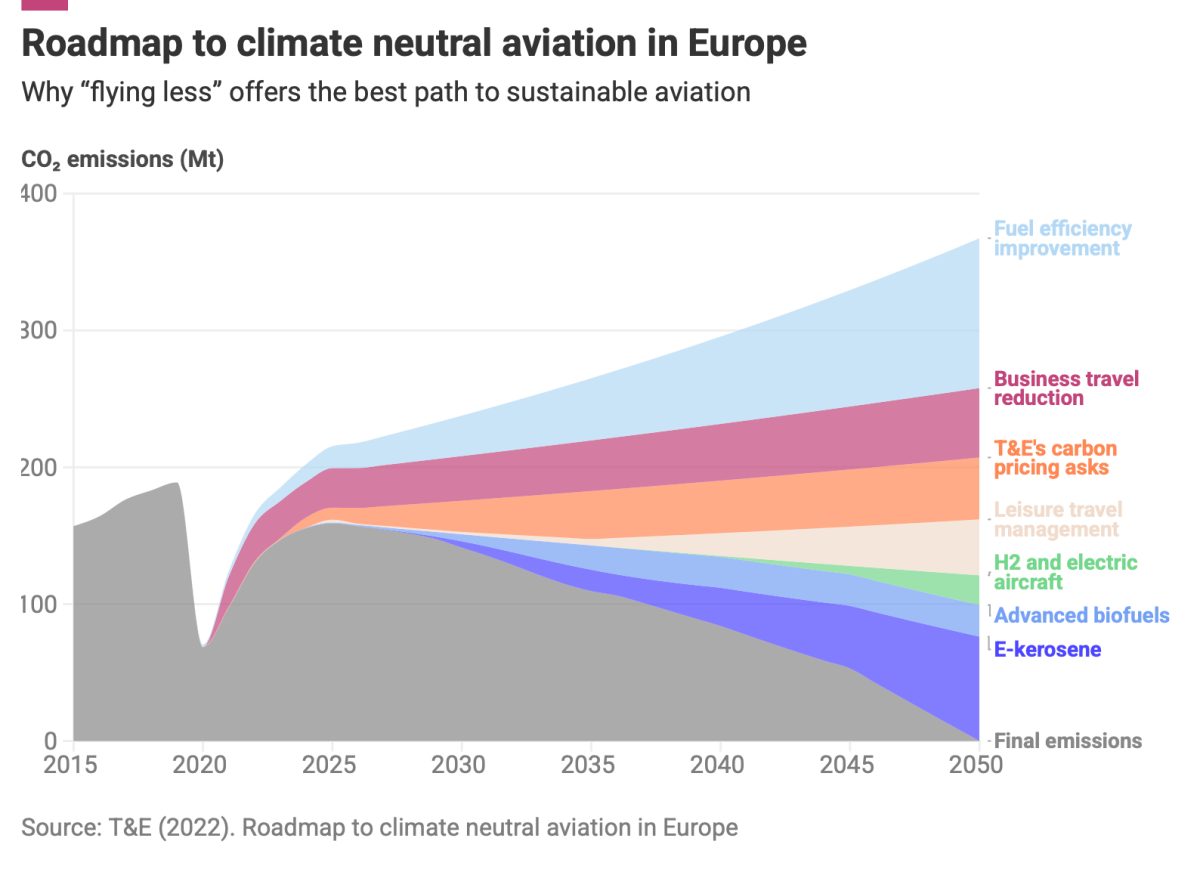
Denise Auclair, head of T&E's Travel Smart campaign, puts it bluntly: "Increasing traffic volume by adding runways and extending terminals cancels out any benefits from cleaner fuels or efficient engines. No plausible tech improvement can close the gap in time." After a summer of heatwaves, wildfires, and drought, she argues governments face a clear choice: approve climate-busting expansion or show decisive action and stop it now.
Which Airports Are the Worst Offenders?
The biggest projected overshoots are in Portugal. Lisbon and Porto airports, which together handle around 80% of the country's aviation emissions, could hit 2.8 times their allocated budgets. To stay within national climate limits, they'd need to cut emissions by about 12% every year. Dublin follows close behind at 2.6 times.
In the UK, the proposed third runway at Heathrow would generate additional emissions between 2035 and 2050 equivalent to a full year of Croatia's entire economy-wide emissions. Spain's expansion plans at Madrid, Barcelona, Palma, and Málaga would add 35 million tonnes of CO₂, with those four airports accounting for 66% of the country's departing aviation emissions in 2025.
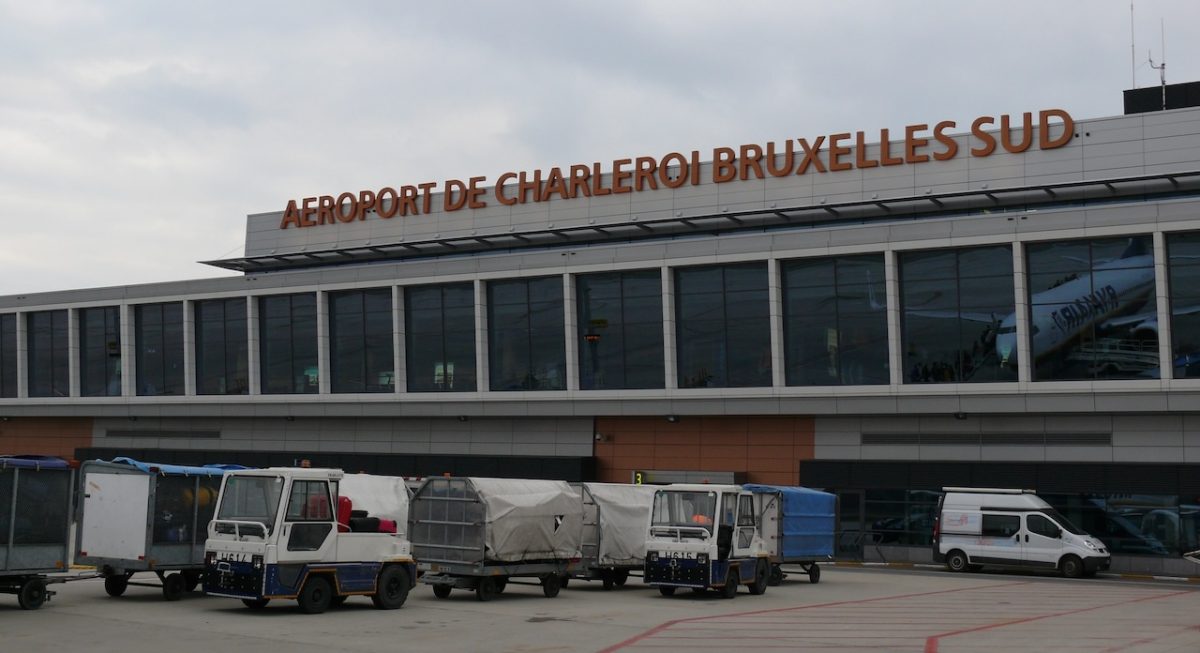
Brussels Airport, a hub that's seen its own share of drama, is also on the list. Its projected growth, like the others, would exceed the carbon budget assigned under the report's methodology. For travelers, this raises a question: does your next flight come with a hidden environmental price tag?
What This Means for Travelers
For the curious traveler, this isn't just about policy. It's about the future of travel itself. If airports can't expand, ticket prices might rise, routes could shift, and the convenience of hopping across Europe could change. Some airports are already adapting, like Brussels Airport getting its train connection back, offering a greener way to reach the terminal. Meanwhile, Europe's pilots are drawing lines against other expansions, and Britain's airports just shattered records despite global chaos, showing demand isn't slowing down.
T&E is calling on governments to reject expansions that exceed carbon budgets, set Paris-aligned limits for individual airports, and use taxation and airport slot policies to manage traffic. They also want public funding redirected from new runways to cleaner transport alternatives, like high-speed rail and better airport connections.
The report doesn't mince words. It paints a future where the skies are busier, but the planet pays the price. For travelers who care about where they're going, it's worth considering how you get there. Maybe that train ride isn't such a compromise after all.