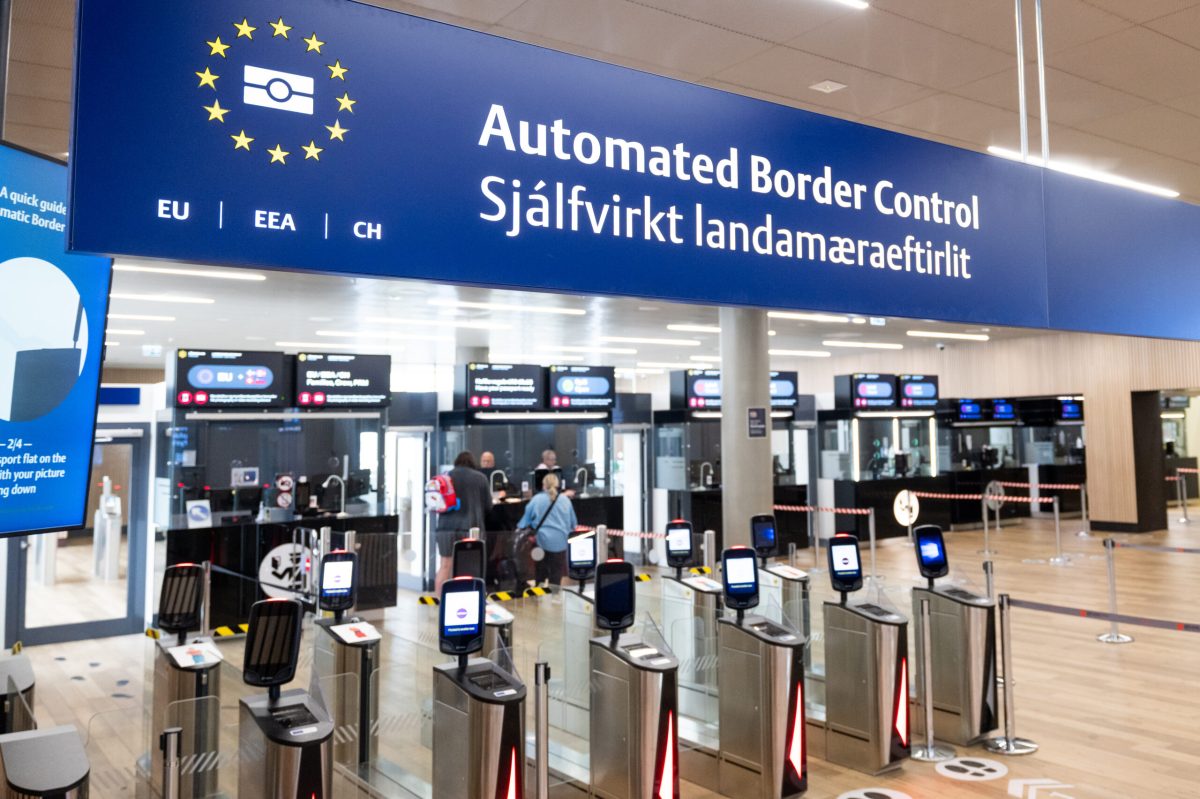
Picture this: you've just landed in Brussels after a long flight, ready to explore one of Europe's most charming cities. Instead, you're standing in a snaking immigration line that doesn't move for ninety minutes. This isn't a rare glitch. It's becoming routine at airports across the European Union.
The culprit is the Entry/Exit System (EES), a new digital border control mechanism that replaced old-fashioned passport stamping when it went live in April 2026. The system collects biometric data from all non-EU visitors entering the Schengen Area, which sounds efficient on paper. In reality, it's creating bottlenecks that are frustrating travelers and costing airlines millions in operational headaches.

The crisis has become urgent enough that the International Air Transport Association (IATA) is pushing the European Union to keep temporary flexibility measures in place beyond September 6. Without them, the organization warns, border disruption will escalate dramatically across the continent.
Why the System Is Choking
The technology behind EES has fundamental problems. Hardware keeps failing. Software crashes unexpectedly. Performance varies wildly from one European airport to the next. In some cases, processing times have tripled compared to the old manual system. Meanwhile, passengers waiting at Brussels Airport have reported waits stretching well over an hour and a half just to clear immigration.
The worst part? This is only the beginning. First-time visitors to the Schengen Area face the longest delays because they have to register their fingerprints and facial images with the system. Summer travel periods, when airports are already stretched thin, have seen queues reach up to six hours. IATA's leadership insists this isn't hyperbole. It happened. And it could happen again if nothing changes.
"A digital border is only as strong as the technology behind it," explained Thomas Reynaert, IATA's Senior Vice President for External Affairs. When that technology fails, passengers lose confidence, miss flights, and get offloaded from aircraft. Europe's reputation as a travel destination takes a hit too. News coverage of hour-long immigration lines spreads fast, and it's not the kind of publicity that encourages tourism.
The Problem Isn't Universal
Here's what makes this crisis so frustrating: the system works well at some airports. At others, it's getting better. But in many places, performance has gotten worse. This patchwork experience creates a nightmare for airlines and travelers alike. When you don't know whether you'll wait five minutes or five hours, you can't plan reliably.
IATA argues for four basic conditions that need to be met before removing the safety valve that currently allows countries to partially suspend EES procedures. Airports need adequate staffing at borders. The hardware and software need to be stable and reliable. Self-service kiosks and automated gates should work consistently. And pre-registration systems need wider deployment across member states.
Pre-registration might offer the fastest relief. If travelers can complete their biometric registration before arriving at the airport or border, queues could shrink dramatically. "The optimal queue is the one that never forms," Reynaert said. Getting passengers through the system faster doesn't require inventing new technology. It requires smarter use of existing infrastructure.
A Safety Valve That Shouldn't Disappear Yet
IATA isn't calling for EES itself to be abandoned or weakened. The aviation industry supports the concept of better border security. But they're adamant that Europe shouldn't yank away the flexibility measures that allow countries to temporarily reduce EES procedures when things fall apart. That flexibility was scheduled to expire on September 6, but IATA is urging the EU to extend it through the winter season.
The organization wants a common performance standard across Europe instead of the current situation, where passenger experience differs dramatically depending on which airport you use. When some countries operate EES smoothly while others choke, travelers get confused about what to expect. Airlines can't plan staffing or schedules efficiently. Everyone loses.
Right now, member states aren't sharing consistent data about how well or poorly EES is performing. Without that information, airports and airlines can't diagnose problems or implement solutions. It's like trying to fix a broken car while nobody will tell you what's actually wrong with it.
The stakes are high for European travel. Continued chaos at borders could push some travelers toward alternative routes entirely. If you're booking a trip this fall and considering European destinations, keep an eye on airport conditions. The system is improving in some places but struggling in others. Check recent news about European airport performance before you book your connecting flights, and factor extra time into your itineraries until this stabilizes. For now, expect the unexpected at immigration.