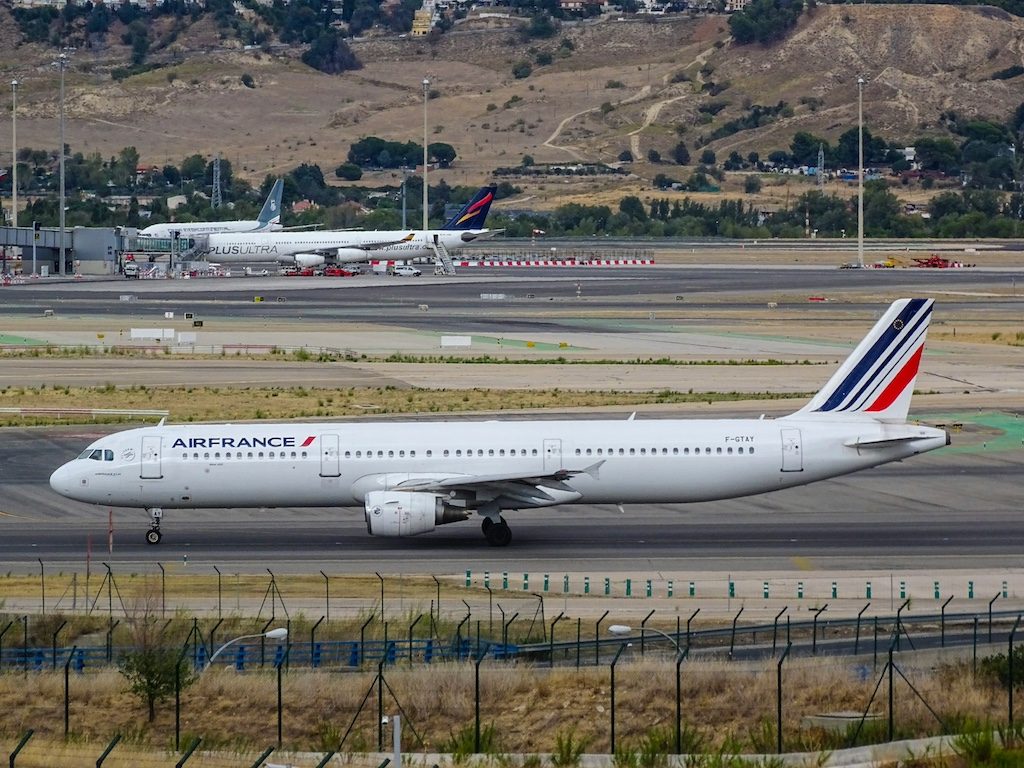
Sophie Lainault spent 30 years keeping passengers safe at 35,000 feet. Between 1989 and 2019, she clocked over 12,600 flight hours for Air France, rising to purser on long-haul routes. Then in 2019, she was diagnosed with breast cancer. What followed was a five-year fight to prove that the job she loved had made her sick.
The diagnosis came as a shock. Lainault had no genetic predisposition to cancer. She didn't smoke. Her lifestyle showed no obvious risk factors. When doctors ran through the standard screening questions, they asked about breastfeeding, hormone therapy, and birth control. But there was one thing they didn't ask about: her work.
"Nobody asked me what I did for a living," Lainault told French media. That gap in the conversation would haunt her, and eventually fuel her determination to change how the aviation industry is held accountable for crew health.
The Hidden Toll of Night Flying
It wasn't until 2024 that Lainault learned the real story. A union campaign revealed something the medical establishment had largely overlooked: cabin crew face elevated cancer risks due to the nature of their work. Three factors emerged as particularly dangerous. First, there's the constant disruption of circadian rhythms from working hundreds of night shifts (in Lainault's case, 6,500 hours at night). Second, crew members absorb significantly higher levels of cosmic radiation at cruising altitude than ground-based workers. Third, despite smokefree regulations, passive smoking remains a persistent workplace hazard on international routes.
These conditions don't just affect one person. They compound over decades, layering risk upon risk. For Lainault, the math was stark: three decades of nocturnal schedules, radiation exposure, and secondhand smoke exposure had taken their toll.
A Legal Marathon That Paid Off
With lawyer Elisabeth Leroux and the CFDT union backing her case, Lainault decided to fight for official recognition. The French legal system was not prepared for this battle. Two regional committees initially rejected any link between her profession and her cancer, insisting that her diagnosis fell outside the list of officially recognized occupational diseases.
Then on August 25, 2024, the District Court of Bayonne ruled in her favor. The judges determined that Lainault's breast cancer was indeed caused by her work as a flight attendant. The combination of night-shift disruption, ionizing radiation, and passive smoking exposure had directly contributed to her illness. No appeal was filed, making the ruling final and binding.
The practical impact was immediate and significant. Lainault became eligible for early retirement and full reimbursement of all cancer-related treatment costs through French social security. But the ruling means far more than one woman's medical bills. It sets a legal precedent that could reshape how occupational disease is understood in the aviation industry and beyond.
Air France responded by emphasizing that employee safety is a priority and that the airline maintains exposure limits three times lower than French regulatory requirements. The airline also noted that existing epidemiological studies have not established a definitive causal link between crew work and certain diseases. Yet the court's decision stands regardless, based on the specific evidence presented in Lainault's case.
Opening Doors for Other Crew Members
Lainault's victory isn't entirely unprecedented. A French nurse won similar recognition in 2023 after proving that 28 years of night shifts combined with radiation exposure caused her breast cancer. But for airline crew, this is the first time breast cancer has been officially recognized as an occupational disease in France. That distinction matters enormously.
"It is truly my dearest wish that this opens the way for other women who might not have dared until now," Lainault said following the ruling. Her words carry real weight. Thousands of current and former flight attendants work under conditions nearly identical to hers. Many may never have connected their diagnoses to their careers. Others may have assumed they had no legal recourse.
The case also highlights a systemic problem. Breast cancer isn't currently included on France's official list of occupational diseases, which means workers must pursue costly and time-consuming legal battles to prove what should arguably be self-evident: that their work environment harmed them. Every case requires the kind of legal marathon Lainault just completed, discouraging many from even trying.
For travelers concerned about cabin crew welfare, this ruling serves as a reminder that the people ensuring your safety often bear invisible costs. The next time you're on a flight, remember the thousands of night shifts, the accumulated radiation exposure, and the long-term health effects that crew members accept as part of the job. Sophie Lainault's fight means that at least some of those costs can now be acknowledged and addressed.