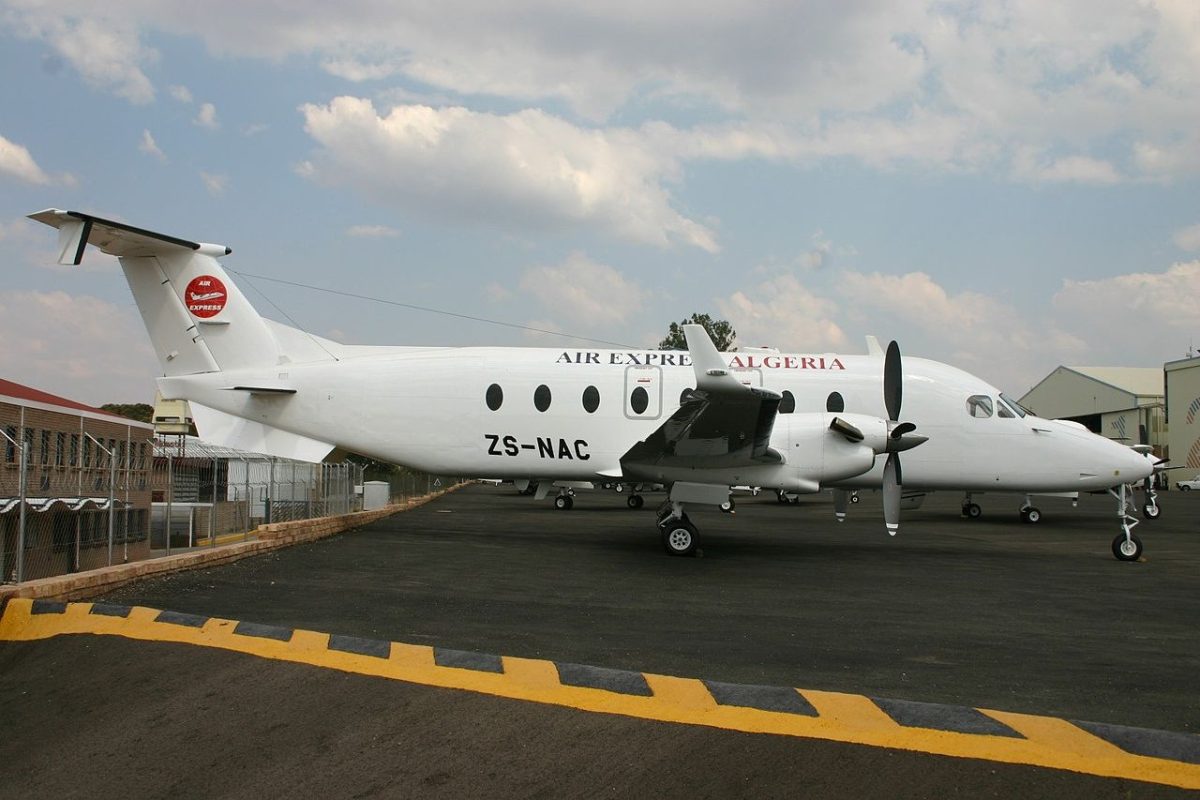
European regulators just reshuffled the deck on aviation safety. The European Commission updated its air safety blacklist, booting Air Express Algeria from European skies while clearing the way for all Kyrgyzstan-certified carriers to fly again after a remarkably long exile that started in 2006.
This marks the 48th revision of the EU Air Safety List, a tool that has quietly shaped which airlines can and cannot operate across European airspace for the past 20 years. The list isn't just bureaucratic window dressing. It actually matters to travelers, even if most of us never look it up.
Kyrgyzstan's Comeback Story
Two decades is a long time to be locked out of the European market. Kyrgyzstan's airlines have been banned since 2006 because regulators couldn't trust their safety oversight systems. But reform works sometimes. The Central Asian nation spent years tightening its aviation oversight and aligning standards with international requirements. The payoff? Every single airline certified in Kyrgyzstan got removed from the ban list. It's the kind of regulatory redemption story that rarely makes headlines but represents real progress.
For travelers interested in routes through Central Asia or connections to that region, this opens new possibilities. As European aviation continues to evolve, carriers that meet standards can finally get back to business.
Algeria's Carrier Stumbles
While Kyrgyzstan celebrated its return, Air Express Algeria got pushed in the opposite direction. European safety experts found serious gaps in how the airline meets international standards. The assessment came after evaluations by the EU Air Safety Committee, which convened in Brussels in May 2026 and included input from the European Union Aviation Safety Agency (EASA). The decision was purely safety-focused, officials emphasized, with no political or economic pressure involved.
That distinction matters. When the EU blocks an airline, it's not a trade dispute or a negotiating tactic. It's a regulatory judgment that the carrier poses an unacceptable safety risk to passengers.
What Travelers Actually Think About the List
Here's something that might surprise you: Europeans largely trust this system. A new survey found that 70 percent of people surveyed believe the EU Air Safety List actually protects passengers from unsafe carriers. Three-quarters trust that the EU updates the list based on safety facts rather than politics or money. Those are strong numbers for a bureaucratic tool that most people have never actively used.
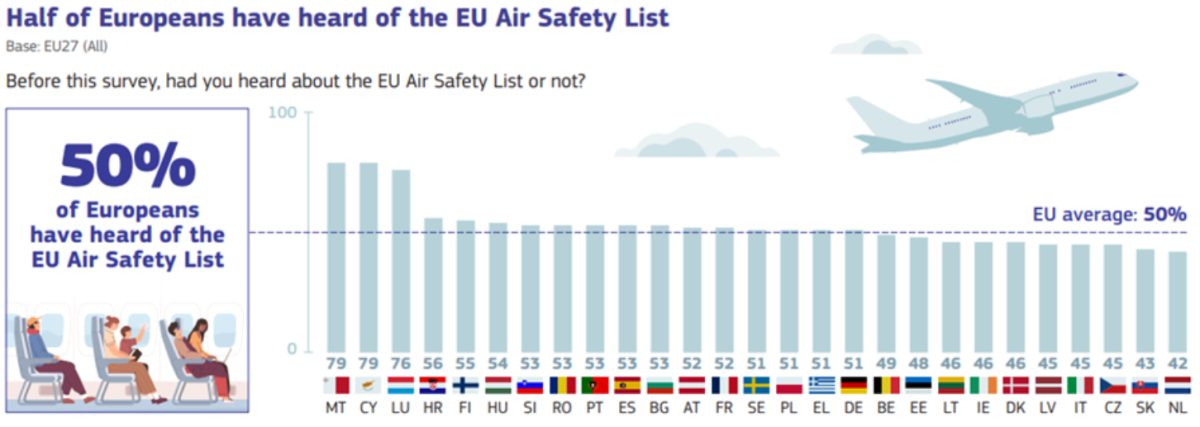
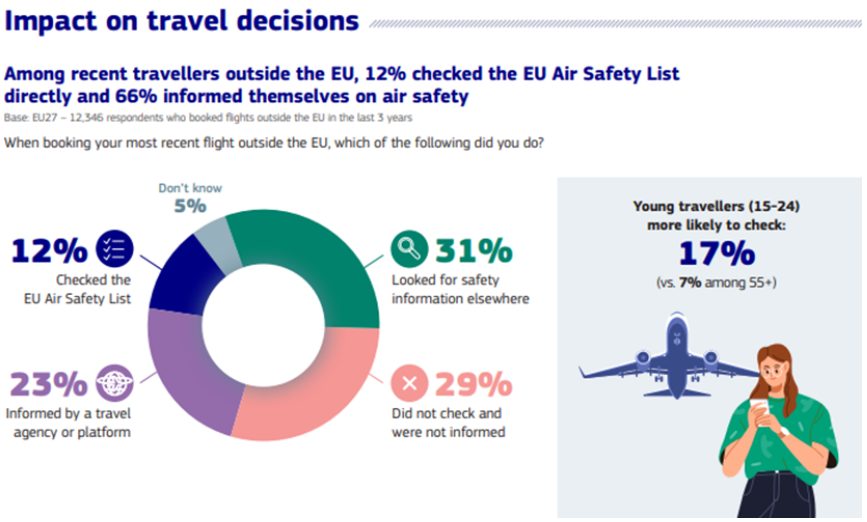
Awareness has grown too. About half of Europeans know the list exists, and roughly two-thirds have come across air safety information. Yet only 12 percent actually consult the blacklist before booking. The real power seems to operate quietly in the background. When asked if they'd book a flight with a banned airline, just 8 percent said yes. The list shapes behavior even when people aren't consciously thinking about it.
The Current State of the Blacklist
After this latest update, 154 airlines remain banned from European airspace. The breakdown reveals how Europe treats aviation risk. One hundred twenty-six carriers come from 16 countries where aviation authorities lack the capacity to provide proper oversight. That's the biggest category. Then there are 22 Russian airlines currently banned due to specific safety issues. Six individual carriers from other nations round out the list, including Air Zimbabwe, Avior Airlines, Iran Aseman Airlines, Fly Baghdad, Iraqi Airways, and the newly added Air Express Algeria.
Two airlines exist in a gray zone. Iran Air and North Korea's Air Koryo can still fly to the EU, but only with specific aircraft types that European regulators have approved. It's a restricted middle ground between the full ban and normal operations.
How the System Actually Works
The EU Air Safety List started in 2006 with a simple goal: tell passengers which carriers don't meet international standards and create incentives for countries to improve. If an airline wants to fly to Europe, it has to comply. If a country wants its carriers in European skies, it needs to prove it has solid safety oversight.
That pressure works. Kyrgyzstan is proof. Some countries respond by overhauling their aviation systems. Others, like Air Express Algeria, struggle to meet the benchmarks. As European travel systems grow more complex, safety standards remain one of the few areas where regulators take an almost uncompromising stance.
The list balances two things: protection and opportunity. Passengers get safer skies. Countries and carriers that invest in compliance get access to the world's most competitive aviation market. Those that don't face consequences. It's a carrot-and-stick approach that seems to be working.
For the next traveler checking flight options, this update probably won't change much. Most of us will never fly on one of the 154 banned carriers anyway. But it's reassuring to know that somewhere in Brussels, regulators are paying attention, that countries can reform their way back into the system, and that safety really does come before commerce.