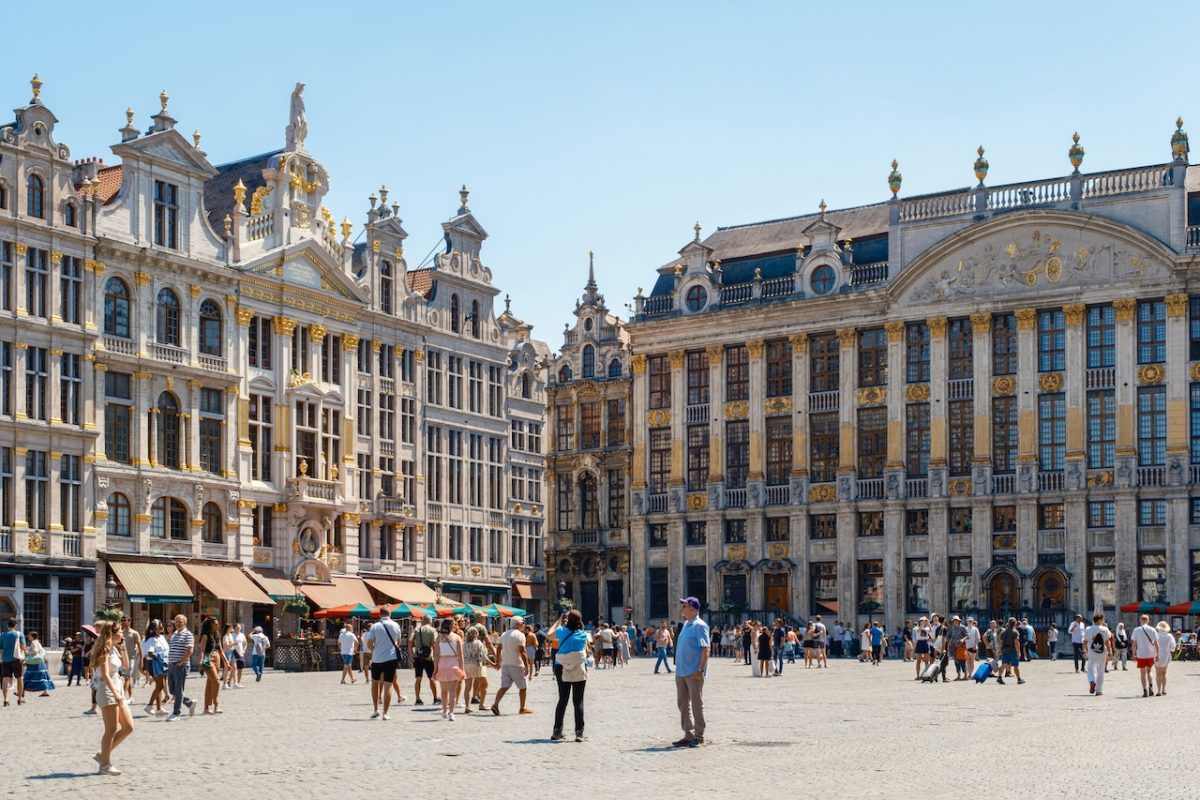
Picture this: you're strolling through Brussels on a Sunday morning, and there's not a single car in sight. No honking. No exhaust fumes. Just you, your bike, and thousands of locals rediscovering what their city feels like without four wheels clogging every street. This scenario, currently a once-a-year ritual, is about to happen twice.
Since 1999, Brussels has designated one Sunday each year as car-free, usually in early September as part of Mobility Week. The idea sounds simple but powerful: give people a taste of what happens when you remove vehicles from a major European capital. The city transforms into something different, something breathing. This September, that date is September 20, 2026. But now the regional government plans to add a second car-free Sunday in May starting in 2027.
Here's where things get messy. The government initially proposed May 9, 2027, but that choice set off alarm bells for families, locals, and advocacy groups. Why? Because May 9 falls during the spring school holidays for French-speaking schools and coincides with Mother's Day. The "Non au plan Good Move Committee" pointed out that families traveling from across Europe to visit mothers, grandparents, and relatives would suddenly face gridlock and closed roads. A day meant to celebrate family became a logistical nightmare.
A compromise that still needs approval
After the backlash, city officials shifted the second car-free Sunday to May 2, 2027. Better, maybe, but the proposal still needs sign-off from all 19 of Brussels' municipalities. If approved, the city will essentially host two major car-free events per year, transforming itself into what could become Europe's largest temporary no-car zone.
When these days roll around, the rules are strict. From 9:30 am to 7 pm, cars stay parked. Public transport, taxis, buses, emergency vehicles, and diplomatic vehicles get exemptions, but regular drivers are out of luck. The Brussels transport operator STIB sweetens the deal by offering free public transit all day, so getting around is actually easier without your car.
What to expect when the ban hits
Fair warning: the city doesn't clear the roads instantly. Authorities admit that "closing and reopening entrances to the region and tunnels happens gradually," so traffic chaos might spill into the early morning and late evening hours. Streets in certain neighborhoods may stay closed longer due to activities and celebrations, so arriving early doesn't help. The vibe the city is going for isn't efficiency, it's atmosphere.
The transformation of Brussels' public spaces has been underway for years, and car-free Sundays fit perfectly into that puzzle. Local officials describe these days as "an opportunity to rediscover the pleasure of walking, riding a bike or scooter, or traveling on public transport in a peaceful and pleasant city." Translation: it's a day to remember why you fell in love with the city in the first place.
For travelers planning a trip, this is worth marking on your calendar. If you're visiting Brussels in May or September starting in 2027, you might just land on a day when the entire character of the city shifts. Fewer cars means more space for pedestrians, cyclists, and someone like you wandering around actually taking in the architecture instead of dodging traffic.
The real test comes next. Will all 19 municipalities agree? Will families eventually warm up to the May date, or will the government need to tweak it again? For now, Brussels remains committed to its vision: a city that occasionally reclaims itself from cars and remembers what it's like to breathe.