Come August 12, 2026, the moon will slip directly in front of the sun, casting parts of the Arctic, Greenland, Iceland, Portugal, and Spain into shadow. Eclipse mania is already in full swing. Hotels across western Iceland and northern Spain are nearly booked solid. Cruise operators are selling out. Special charter flights dedicated to this single event are filling up fast. Thousands of travelers are already planning their pilgrimage to witness one of nature's most electrifying celestial events.
The timing will be tight. In Reykjavik, totality begins around 4:47 pm, giving you roughly four hours before sunset to experience the spectacle. If you're heading to Spain, the eclipse kicks off around 7:30 pm local time, peaks between 8:27 and 8:35 pm, then wraps up around 9:30 pm as the sun dips below the horizon. Spain's eclipse tourism boom is already running out of beds, so if this is on your bucket list, your window to reserve accommodation is closing fast.
The excitement is understandable. But here's where things get tricky. Millions of people will attempt to photograph and record this event. And tech experts are sounding the alarm about what could happen to your phone if you're not careful. Your smartphone's camera is essentially a tiny magnifying glass. It focuses light through the lens directly onto the camera sensor. Point it at the sun without protection, even for a few minutes, and the concentrated beam can superheat your sensor's photodiodes. The result? Permanent damage. Dead pixels. A camera that still technically works but produces images with dark splotches you can never fix.
Why Your Phone Camera Is Vulnerable
A quick snapshot might seem harmless. But sustained shooting, even just 30 seconds or a minute of video aimed directly at the sun, creates serious risk. The damage happens fast and silently. Your phone won't warn you. You'll only discover the problem later when you review your photos and notice the sensor has failed in ways that can never be repaired. Some travelers are choosing to dump their phones entirely to save their trips, but for those who want to capture memories, protection is essential.
Your eyes need protection too, obviously. But here's the catch: protecting your eyes while photographing the eclipse requires a two-pronged approach. You cannot safely look through your phone's viewfinder or lens at the sun, even with special eclipse glasses on. The light becomes so concentrated through the lens that it will permanently damage your vision before you even realize what's happening.
How to Safely Document the Eclipse
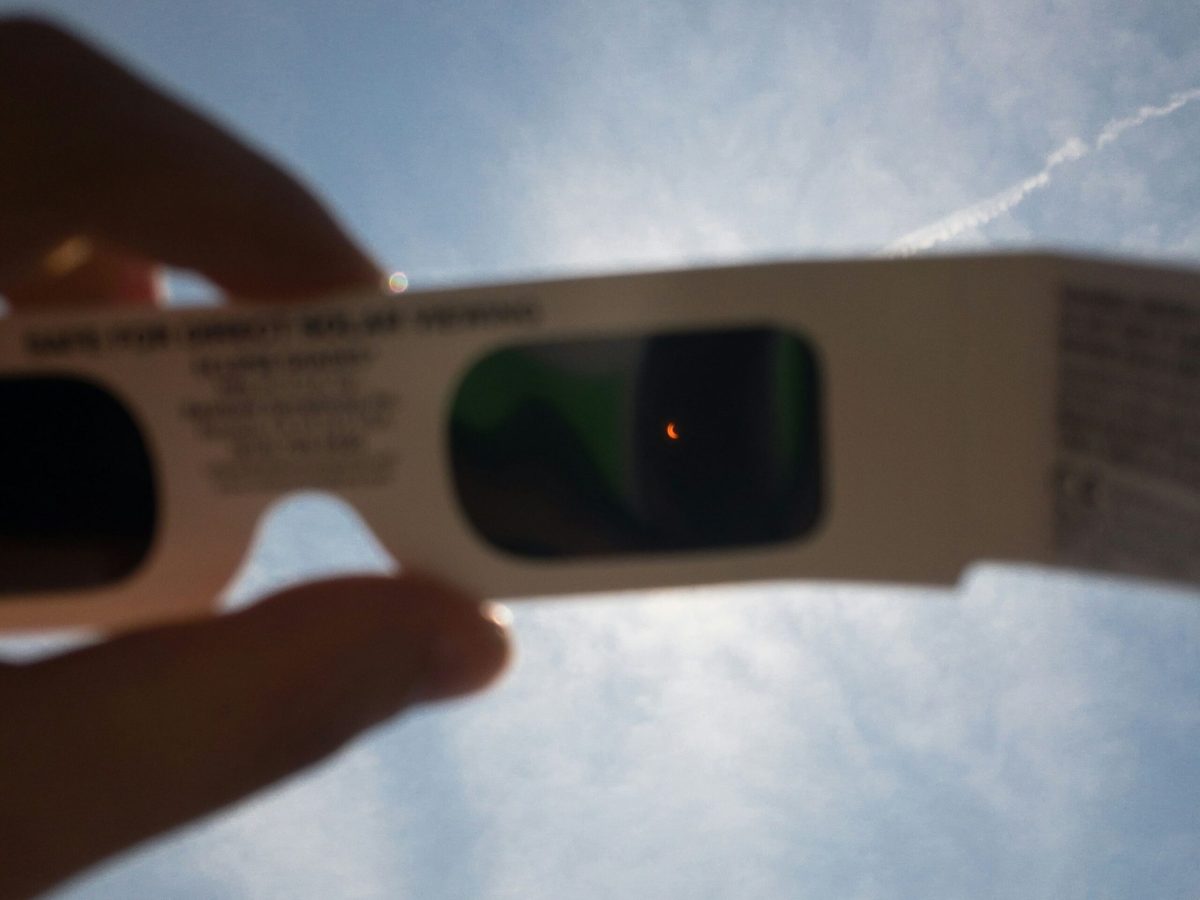
The solution is simpler and cheaper than you might think. Safe eclipse viewing requires ISO 12312-2 certified protection, and the easiest way to protect your camera is to tape a piece of eclipse glasses over your phone's lens so it's completely covered. Solar filters meeting the NASA-recommended ISO 12312-2:2015 standard cost less than 40 euros, and many custom phone filters are available at that price point or less.
The rules are straightforward but non-negotiable. Keep the filter in place for the entire eclipse. Only record in short bursts. Never look through your phone's viewfinder to frame your shot, even with the filter attached, because the concentrated light still poses risks to your eyes. Use a tripod to eliminate the temptation to peek at your screen between shots. This keeps your phone steady and prevents you from darting your eyes back and forth between the device and the sky, which increases injury risk and means you'll miss the actual experience happening above you.
Technically, solar filters can be removed during totality (when the moon completely blocks the sun's light), but resist the urge. That's when everyone rushes to film, excitement peaks, and mistakes happen. The safer play is to keep your filter on throughout. Your photos will still capture something remarkable.
The Real Takeaway
NASA recommends multiple safe viewing methods beyond just specially-designed glasses, and most of those methods don't require you to point a camera at the sun. Consider simply watching with your eyes protected, and let the professional astronomers and dedicated eclipse photographers handle the heavy lifting. Two eclipses are expected to generate six billion dollars in tourism, so odds are good high-quality footage will be everywhere online anyway.
August 2026 will be extraordinary. Don't let a permanent camera sensor failure or eye damage ruin the memory. Plan ahead, invest in proper filters if you're determined to record, follow the safety guidelines exactly, and most importantly, leave room to actually experience the moment without a screen between you and the sky.