
You know that moment when you finally put your phone down, then pick it up again five seconds later? That's not a character flaw. Tech companies have spent billions designing their platforms to keep you in a dopamine loop, pulling your attention away from the real world around you.
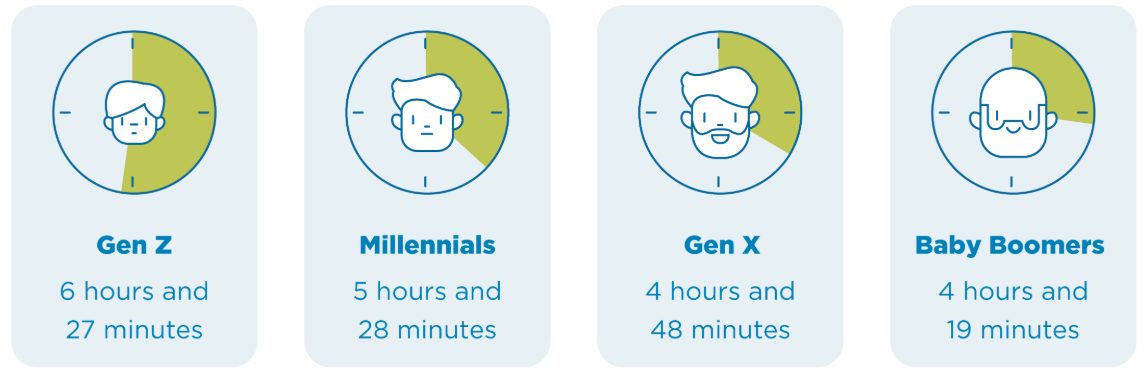
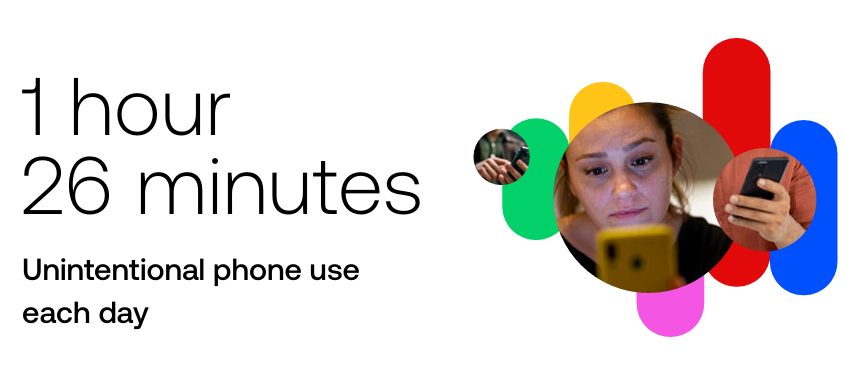
The numbers tell a sobering story. UK adults average four hours daily on their phones, with roughly a third of that time being unintentional scrolling. Americans aren't faring better, spending over five hours daily glued to screens. Social media platforms have weaponized our attention span. The U.S. court system even ordered Meta and YouTube to pay $6 million in 2026 after finding their platforms were deliberately engineered to be addictive.
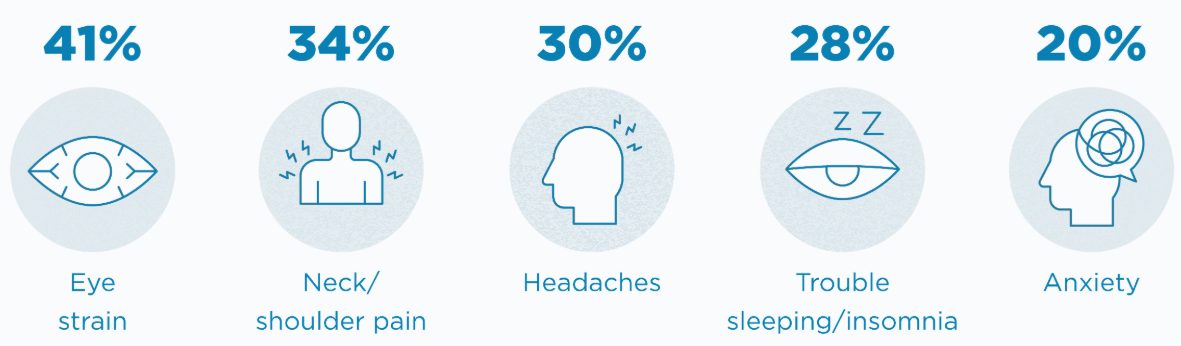
This matters more than you think. Chronic screen addiction leads to real consequences: eye strain, neck and back pain, worsening anxiety and depression. When you're traveling, excessive phone use means missing sunsets, skipping conversations with locals, and experiencing destinations through a viewfinder instead of your own eyes. The habit steals not just your health but your memories.
Know Your Enemy First
Before you can beat a habit, you need to see it clearly. Turn on your phone's built-in tracking tools: Digital Wellbeing for Android users or Screen Time for Apple. Check them honestly. Yes, those numbers sting, but that discomfort is your starting line. You can't change what you don't measure. Most people discover they're spending two or three hours more than they realized on apps they barely remember opening. That's the wake-up call that works.
Mute the Constant Pinging
Notifications are tiny dopamine shots, and your phone is a dealer. Every buzz pulls you back in. Start by keeping only essential alerts: calls, text messages, maybe calendar reminders. Silence everything else. Social media can wait. Email can wait. But be honest with yourself here. If killing notifications just means you'll compulsively check every app thirty times an hour, try a different strategy instead. Some people need the friction of actually opening an app rather than being summoned by a buzz.
Distance Is Your Secret Weapon
Humans are lazy, and that laziness can work in your favor. When your phone sits on the other side of the room, you're far less likely to mindlessly reach for it. When you're settling in to watch a sunset at a cafe, leave it on your desk or even in your bag. The extra effort required to retrieve it breaks the automatic habit loop.
This becomes crucial at night. If your phone is your bedside companion and scrolling is your first and last act of the day, move it to another room entirely. A hallway, your bathroom, anywhere that requires you to actually get up. Sleep quality improves dramatically when you're not bathed in blue light before bed, and you'll wake less tempted to dive straight back in.
Make Your Phone Boring Again
Those gorgeous app icons and perfectly filtered photos are part of the trap. Switch your screen to grayscale. Yes, really. All those picture-perfect colors suddenly vanish, and your phone becomes visually dull. Change your lock screen to something that reminds you why you're doing this: a photo of a place you want to explore fully, or a person you'd rather be present with.
Some travelers go further and use a "dumb phone" for trips. Reverting to 1990s cell phone technology sounds radical until you realize you're no longer photographing dinner instead of eating it. That said, dumb phones become impractical fast if you rely on apps for navigation, online banking, or checking into flights. Find the balance that works for your life.
Replace the Habit, Don't Just Remove It
The hardest part isn't quitting. It's replacing that habit with something better. Passive scrolling feels good in the moment but provides nothing to your mind or spirit. It's junk food for your brain. Real satisfaction comes from replacing screen time with activities that actually feed you: reading a paperback you've been meaning to finish, learning a few phrases in the local language, keeping a handwritten travel journal, or simply sitting with a coffee and watching the world move around you.
For travelers especially, this shift is life-changing. You have a limited window in each destination. Every hour spent scrolling is an hour not spent wandering a neighborhood you'll never return to or having a conversation that changes your perspective. The pressure to document everything for social media has turned travel into performance rather than experience. Breaking that pattern means reclaiming your trips.
Start with one strategy this week. Measure your time. Kill notifications. Move your phone. Pick one. After a few days, add another. These habits compound, and after a month, you'll notice something remarkable: you're more present, more rested, and actually remembering your life as it happens instead of through a glowing rectangle.