Money flows toward celestial events like moths to flame. When the sun vanished over America in 2024, travelers spent an estimated $1.6 billion on direct costs alone, with total economic impact reaching $6 billion. That bonanza has tour operators and cruise lines already plotting their next move. Two massive eclipse events are coming, and destinations are bracing for crowds.
Iceland Gets Its Moment (August 2026)
On August 12, 2026, Iceland will experience its first and only total solar eclipse of the entire 21st century. This singular event has sparked the Iceland Eclipse Festival, a four-day celebration planned for August 12-15, 2026 in Hellissandur on the Snæfellsnes Peninsula. Over 200 participants are already locked in, with organizers billing it as a "global celebration of the solar eclipse with music, art, science, and tech."
The same eclipse will also sweep across 40 percent of Spain, delivering mainland Europe its first total solar event in nearly three decades. But here's the catch: Spain's tourism infrastructure is already strained, and room availability questions are piling up faster than booking confirmations.
Why 2027 Is the Actual Event Not to Miss
Serious eclipse chasers are already looking past 2026. On August 2, 2027, the moon will park itself in front of the sun for the longest total eclipse in 100 years. At peak locations, totality will last six minutes and 23 seconds, a duration that won't happen again for a century. The path sweeps across southern Europe and northern Africa: Spain, Morocco, Algeria, Tunisia, Libya, Egypt, Sudan, Saudi Arabia, Yemen, and Somalia.
Luxor, Egypt sits directly in the path of totality. The Pyramids, the Valley of the Kings, the sheer weight of history converging with a rare astronomical moment. But Luxor will be mobbed. Local journalist and eclipse expert Jamie Carter recommends Sohag, a quieter town about four hours north on the Nile's west bank. It offers the same totality time as Luxor (six minutes 20 seconds) while sitting near the intriguing Red Monastery, a less trampled alternative for travelers who want the spectacle without the crush.
Why the Screen Can't Capture It
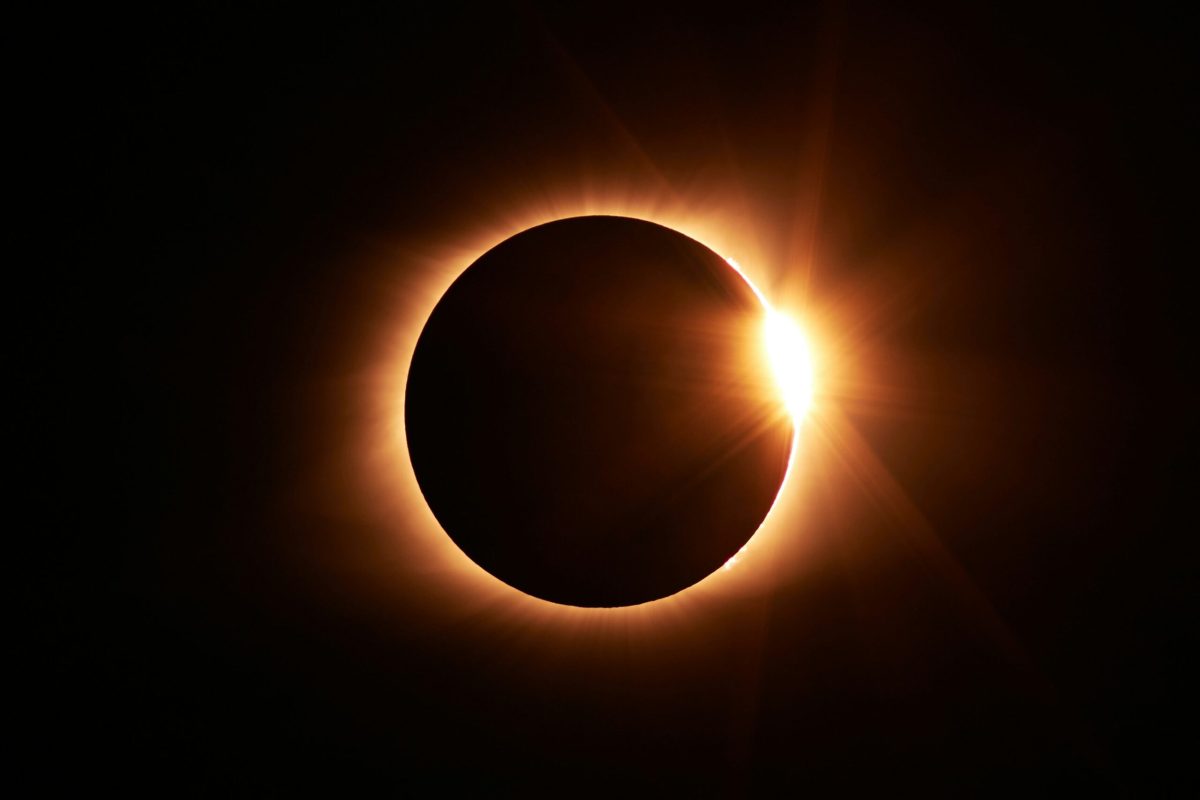
Dr. Kelly Korreck, a programme scientist for eclipses at NASA Headquarters, explains why your friend's Instagram video won't cut it: "The pictures are beautiful, but they don't do the whole body experience justice." Watching the sun vanish during daylight, feeling the temperature drop, seeing the corona blaze around the moon's silhouette. That's something your nervous system has to feel in person.
Once you witness totality, something shifts. Korreck notes the addictive quality of the experience: "Once you actually see totality, and see this beautiful outer part of the sun that you can't see on a day-to-day basis, it's awe-inspiring. As many times as you see it, you just want to see it again." Eclipse chasers become repeat customers, planning their next trip before the previous one ends.
How to Actually Plan This
The good news: tour operators and cruise lines are already building eclipse packages. Royal Caribbean is offering nine-night cruises for the 2026 Spain eclipse, and luxury operators like Ponant and Smithsonian Journeys are unveiling curated 2027 Egypt voyages. Websites like whereisthenexteclipse.com provide real-time guidance on which destinations offer the clearest skies and most manageable crowds.
The bad news: availability is tightening. The 2024 eclipse already demonstrated how fast hotel rooms vanish. If you're serious about witnessing either of these events, booking within the next 6-12 months isn't early. It's the bare minimum. Less popular towns like Sohag offer breathing room, but even those are filling fast as eclipse chasers wise up to the strategy.
The window for witnessing century-spanning astronomy is narrow. Two eclipses in two years, both accessible from developed destinations with functioning infrastructure. After 2027, the next major eclipse won't cross desirable locations for years. If you've ever wondered what your money could buy that actually matters, watching the sun disappear in a foreign sky might be it.