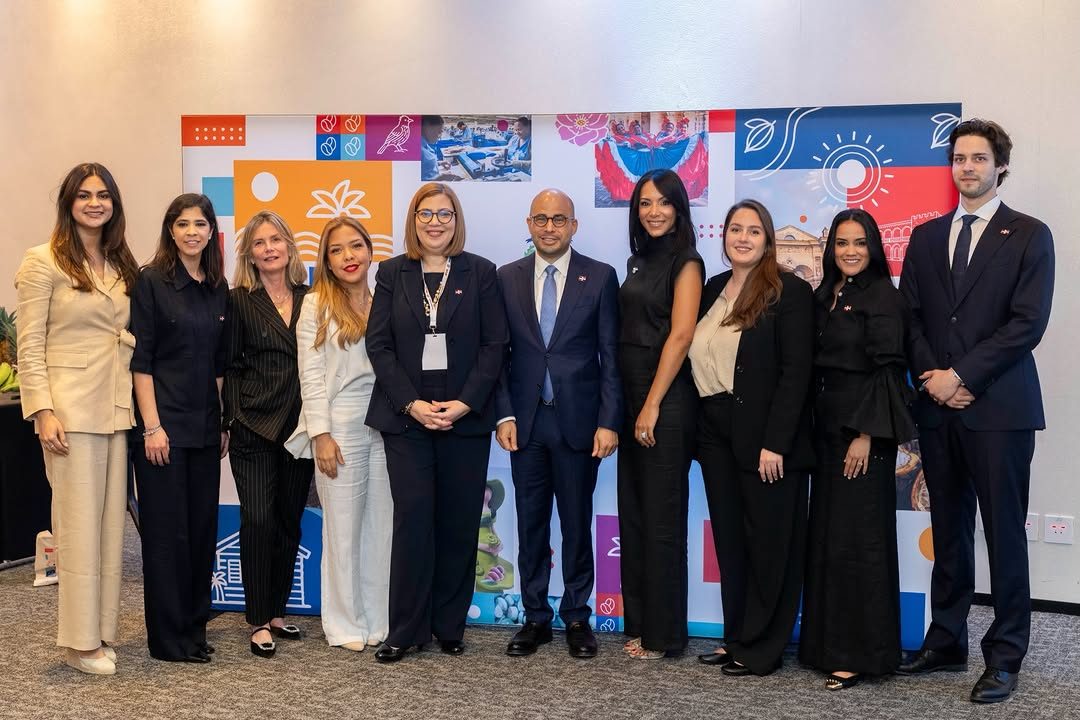
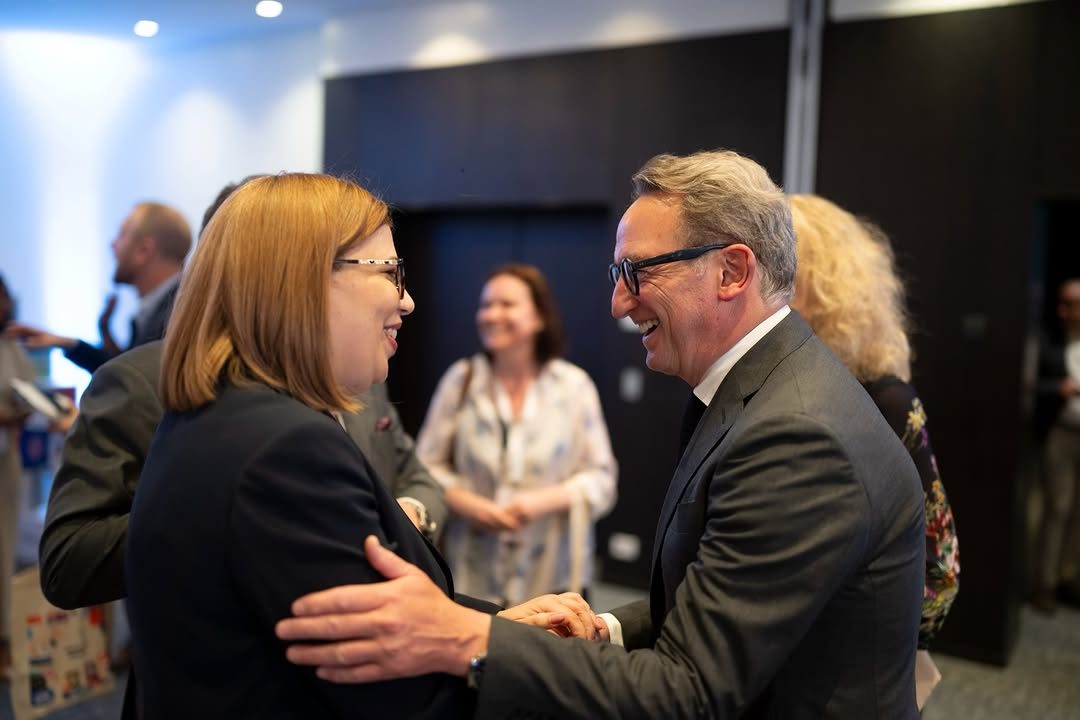
There's a particular moment when nations try to rebrand themselves to the world. The Dominican Republic just had one in Brussels this June, when government officials, business leaders, and investors gathered at The Hotel Brussels for what organizers called the Trade and Investment Forum & Cultural Night. On the surface, it was another diplomatic gathering. But beneath the presentations and handshakes lay something more telling: a Caribbean economy making its case to Europe, pitching everything from sustainable cocoa to world-class infrastructure.
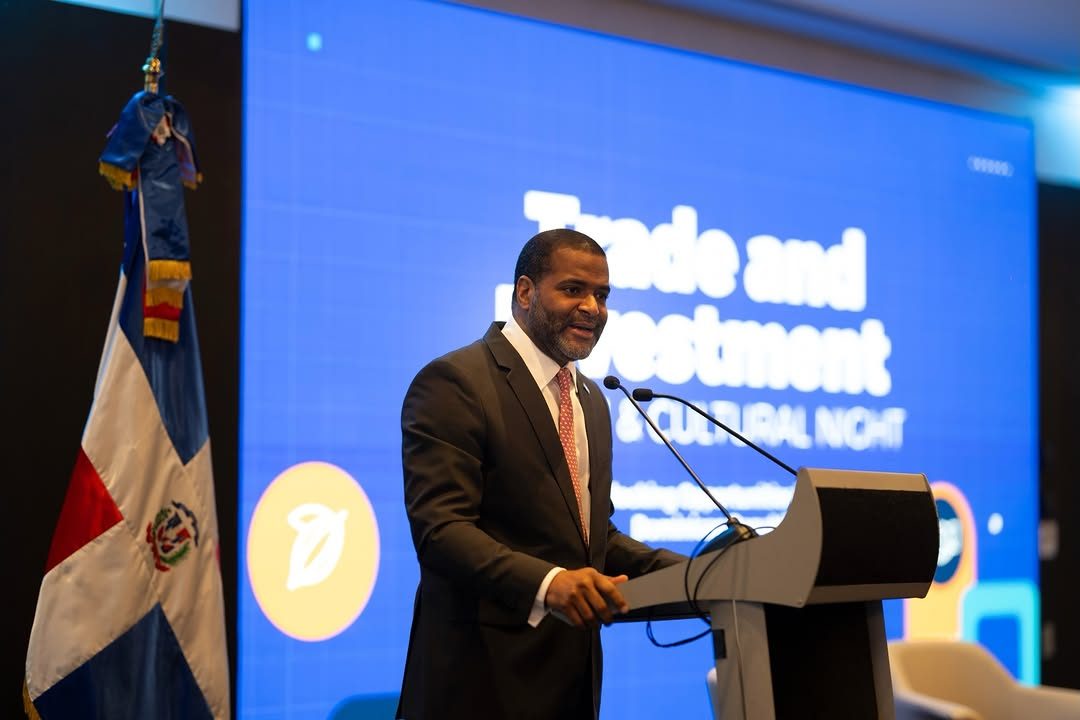
Ambassador Joan Cedano opened the event by framing it as an effort to "open new doors" for his country in Europe. The phrasing sounds simple, but the ambition behind it is anything but. The Dominican Republic wants Europe to see it differently,not just as a vacation destination (though that matters), but as a stable investment partner with sectors worth betting on. The government has set a specific target: doubling the nation's GDP by 2036. That's a big number, and it requires big bets across agriculture, logistics, technology, renewable energy, and tourism.
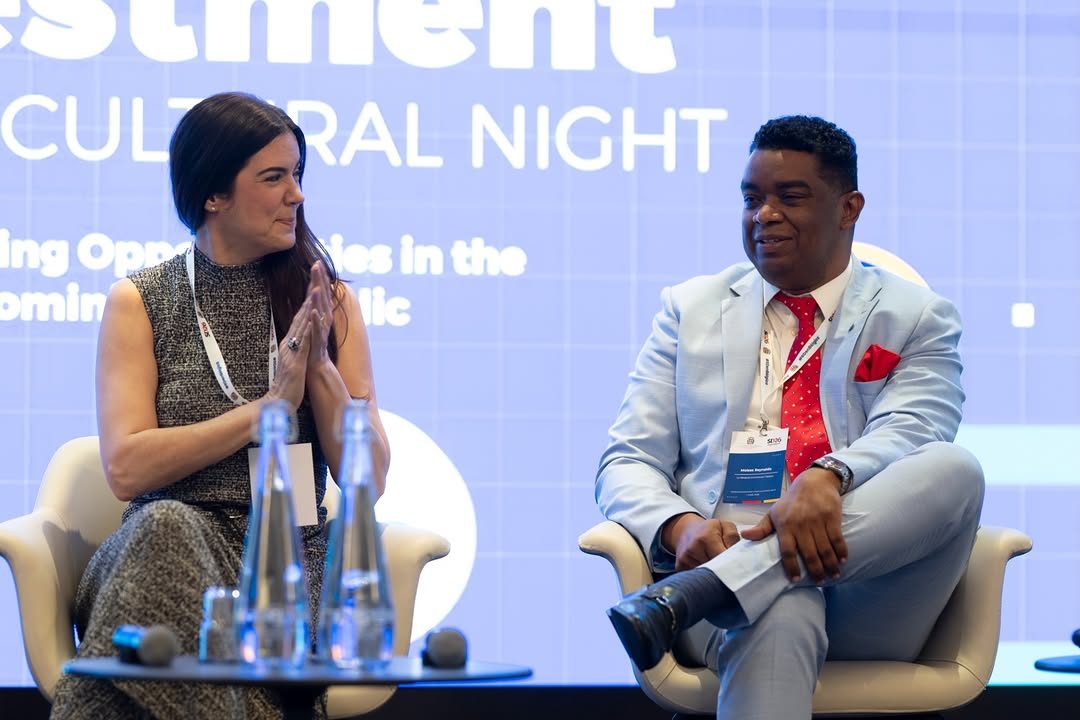
Vice Minister Francisco Caraballo, representing Foreign Minister Roberto Álvarez, emphasized that partnerships between nations rest on more than paperwork. "They're built through people, communities, and shared histories," he said. For the Dominican Republic, those ties with Belgium and the Netherlands run deep. The message: we're not strangers here; we're neighbors worth knowing better.
When Chocolate and Cigars Meet European Regulation
The real meat of the forum came during panels focused on what the Dominican Republic actually exports and sells. Three sectors dominated the conversation: bananas, cocoa, and tobacco. Each one faces the same fundamental challenge: European markets care deeply about sustainability, traceability, and quality. Get those right, and doors open. Mess them up, and nothing else matters.
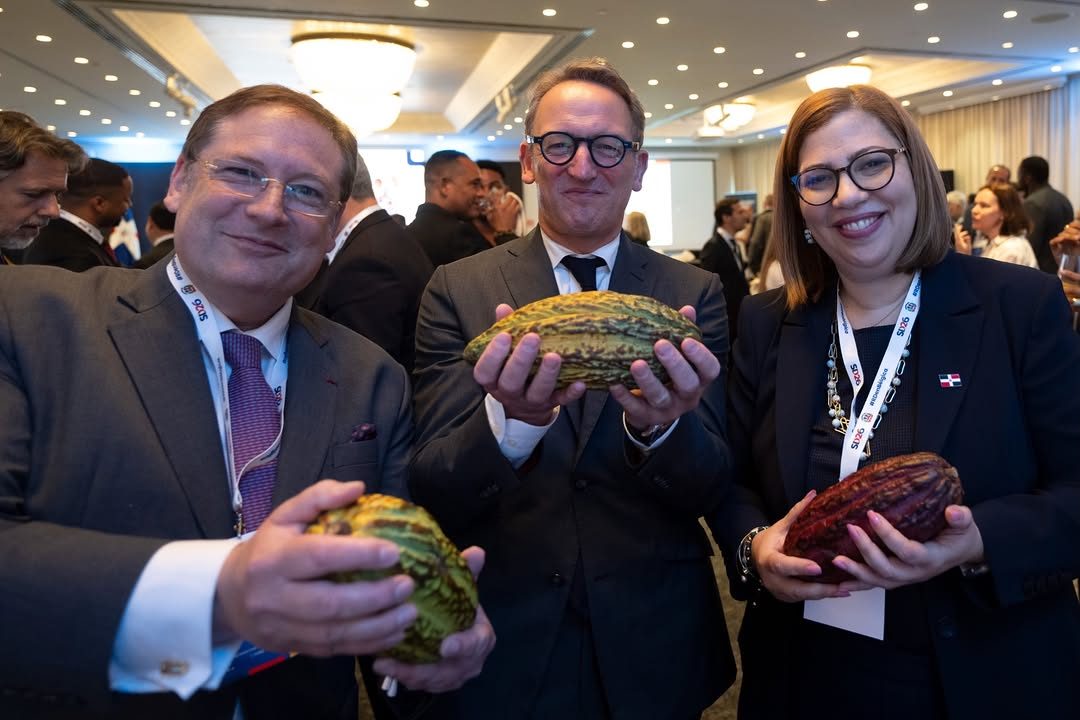
María del Pilar Hernández from the DR Cocoa Foundation came prepared. She explained that Dominican cocoa already complies with the European Union's anti-deforestation regulations. Now, the country is pursuing a geographical indication for its cocoa, similar to how certain wines can only be called "Champagne" if they're grown in Champagne. This badge would tell European buyers they're getting the real thing, with guarantees about origin, taste, and environmental stewardship. It's a smart move,turning a product into a story people want to pay more for.
Moisés Rodríguez, CEO of La Realeza Dominicana Tobacco, made cigars sound like art forms. "The Dominican cigar is the product of our land, our climate, and Dominican labor passed from generation to generation," he said. He wasn't exaggerating. Dominican cigars are genuinely renowned globally, and he emphasized how the industry supports regional employment and keeps family traditions alive. Europeans, it turns out, care about that kind of thing when they're buying premium products.
But not everything is smooth. Gil Blas Martínez, president of Adobanano, highlighted the squeeze facing small organic banana producers. Certification costs keep rising. Regulatory burdens keep multiplying. If producers want access to European markets, they need support to stay competitive while preserving the social and environmental value of what they grow. It's a tension that won't resolve itself.
Investment Opportunities Take Center Stage
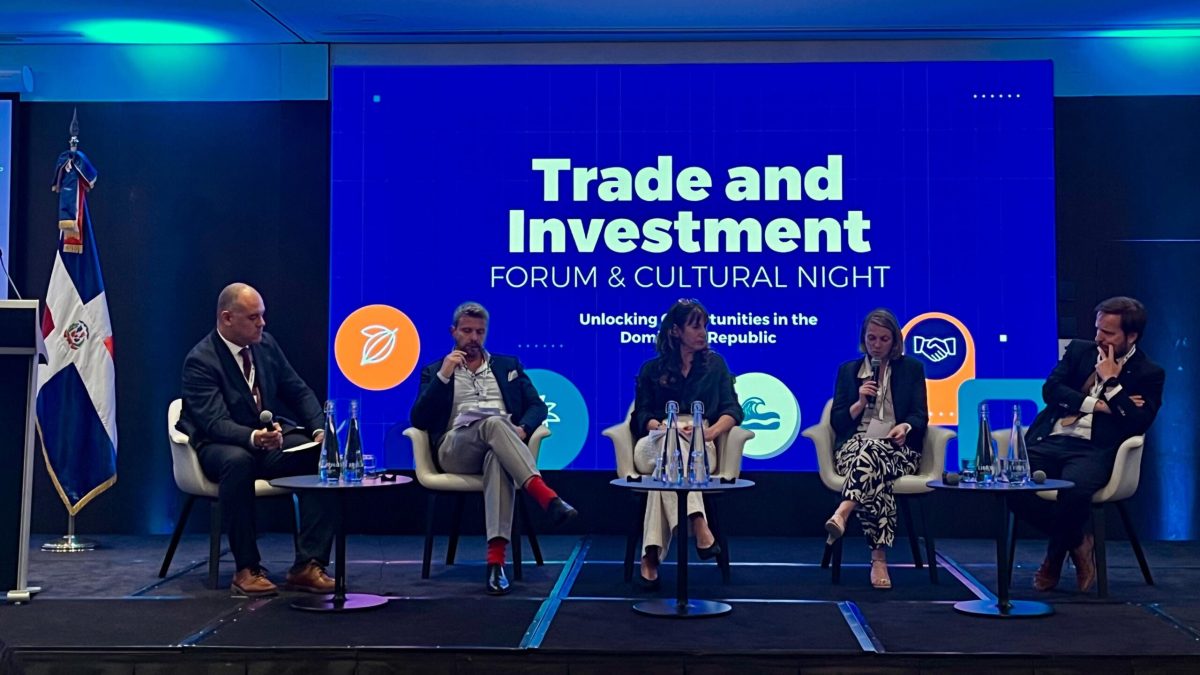
Beyond agriculture and tobacco, investment discussions revealed where the Dominican Republic thinks real money is heading. Andrés Lugo Risk, executive director of the General Directorate for Public-Private Partnerships, presented opportunities created through the country's PPP model. European Commission representatives and regional investment agencies pointed to openings in transport, water management, logistics, sustainable development, and innovation. The EU's Global Gateway strategy came up as a mechanism for mobilizing both public and private capital.
What's striking is how European infrastructure connectivity plays into this. The Dominican Republic sits in a strategic position as a Caribbean gateway. Its free trade zones are business-friendly. Its political stability appeals to risk-conscious investors. The infrastructure is growing. Put those elements together, and you have the bones of a compelling pitch.
Laurent Nys, director of Brussels' Mabru wholesale market, offered perspective from the European side. Belgian consumers increasingly want high-quality exotic products, he noted. But they want more than just good goods. They want quality control. They want storytelling. They want to know the people and places behind what they buy. "Long-term partnership is long-term business," Nys said. Belgium, he suggested, could be a gateway to wider European markets for Dominican exporters who take those things seriously.
For travelers and observers watching how nations position themselves in a changing world, this forum mattered. It showed a country that understands what Europe cares about right now: sustainability, traceability, stability, and authentic stories. Whether the Dominican Republic can deliver on those promises at scale is the question that comes next. But if chocolate, cigars, and solid infrastructure are any indication, the answer might just be yes.