What started as a regional security crisis has turned into a travel nightmare for roughly 8,000 people currently stranded in Doha. Since Qatari airspace shut down, the city has become an unintended hub for travelers who can't get home and new arrivals who can't get in. But this week, that situation finally began to shift.
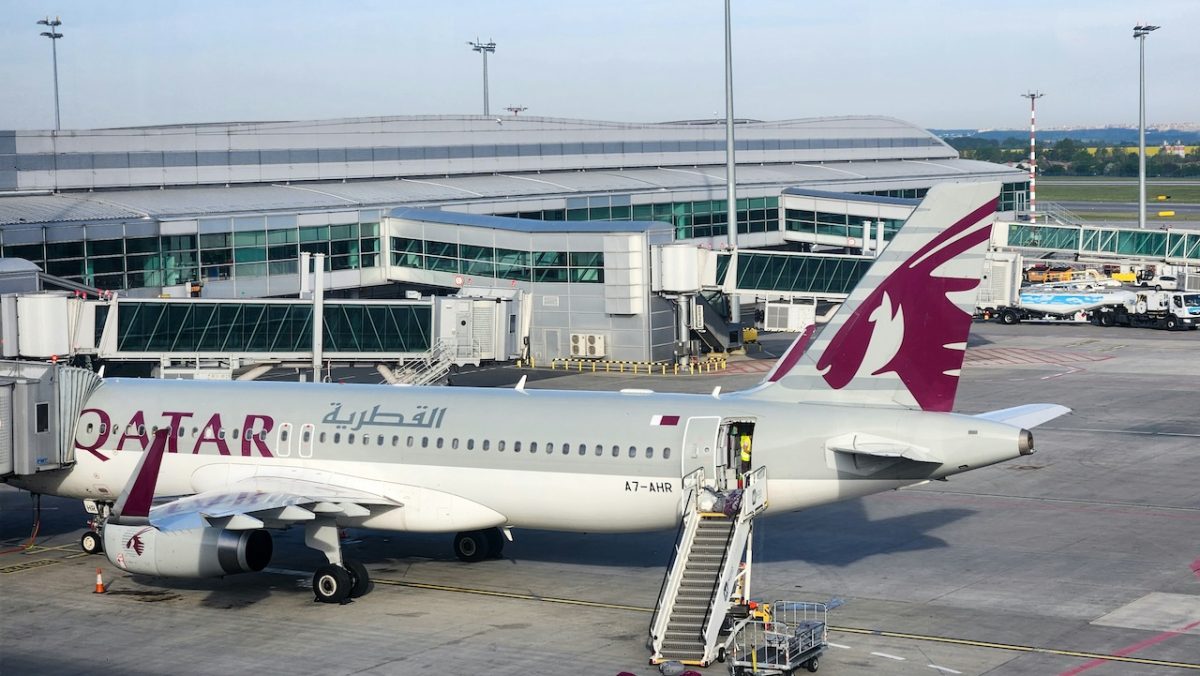
Qatar Airways announced a limited emergency flight schedule starting March 8, operating through Hamad International Airport under temporary authorization from the Qatar Civil Aviation Authority. The airline is being careful with its messaging: these aren't regular flights, and they're not confirming a return to normal service. They're rescue operations, plain and simple.
Who Can Actually Get Out
The first wave of departures began Monday, March 9, with flights heading to Beijing, Delhi, Islamabad, London Heathrow, Madrid, Moscow, Nairobi, Perth, and Seoul. Tuesday added even more destinations, including Cairo, Colombo, Frankfurt, Istanbul, Jeddah, Kochi, Manila, Milan, and Mumbai. Wednesday follows with return flights from those same cities. The schedule is ambitious, but there's a catch: you need a confirmed booking to Doha to board. Don't just show up at the airport hoping for a seat.
For the thousands still waiting, Gulf authorities have been covering hotel costs and issuing temporary visas so people can at least stay somewhere safe while they figure out their next move. It's not ideal, but it's something.
Why This Matters for Global Travel
Doha's Hamad International Airport isn't some regional outpost. It's one of the world's busiest transit hubs, sitting alongside Dubai and other Middle Eastern gateways that handle hundreds of thousands of passengers daily. When it goes dark, long-haul travelers everywhere feel the ripple effect. Your connection through Doha just vanished. Your flight might get rerouted. Your timeline explodes.
Qatar Airways itself is no minor player. The airline won the Skytrax World's Best Airline award for the ninth time in 2025, running service to over 170 destinations across more than 90 countries. Its Chief Commercial Officer highlighted its five-star service on major routes like London, Dublin, Cape Town, and Sao Paulo. Thousands of passengers rely on this carrier every single day, and its inability to operate normally is grinding operations to a halt across the network. The broader Middle East is dealing with major flight disruptions, and it's affecting travelers far beyond the region.
The Uncertainty Ahead
Here's the uncomfortable truth: nobody knows when this ends. US President Trump has signaled plans to escalate attacks on Iran. Iranian President Masoud Pezeshkian is sending mixed messages, apologizing for impacts on Gulf neighbors while vowing to retaliate if countries allow themselves to be used as bases for US or Israeli operations. That's not a recipe for airspace reopening anytime soon.
Qatar Airways isn't alone in scrambling. Other carriers are also attempting rescue flights when and where they can. The industry is adapting on the fly, but adaptation has limits when entire regions are locked down.
If you're trapped in Doha or trying to get there, check Qatar Airways' official announcements for the most current schedules. Confirm your booking exists before heading to the airport. And if you're planning any Middle East travel in the coming weeks, understand that the region remains gridlocked. This isn't a normal travel disruption. It's a security crisis affecting one of the world's most critical aviation corridors, and it's far from over.