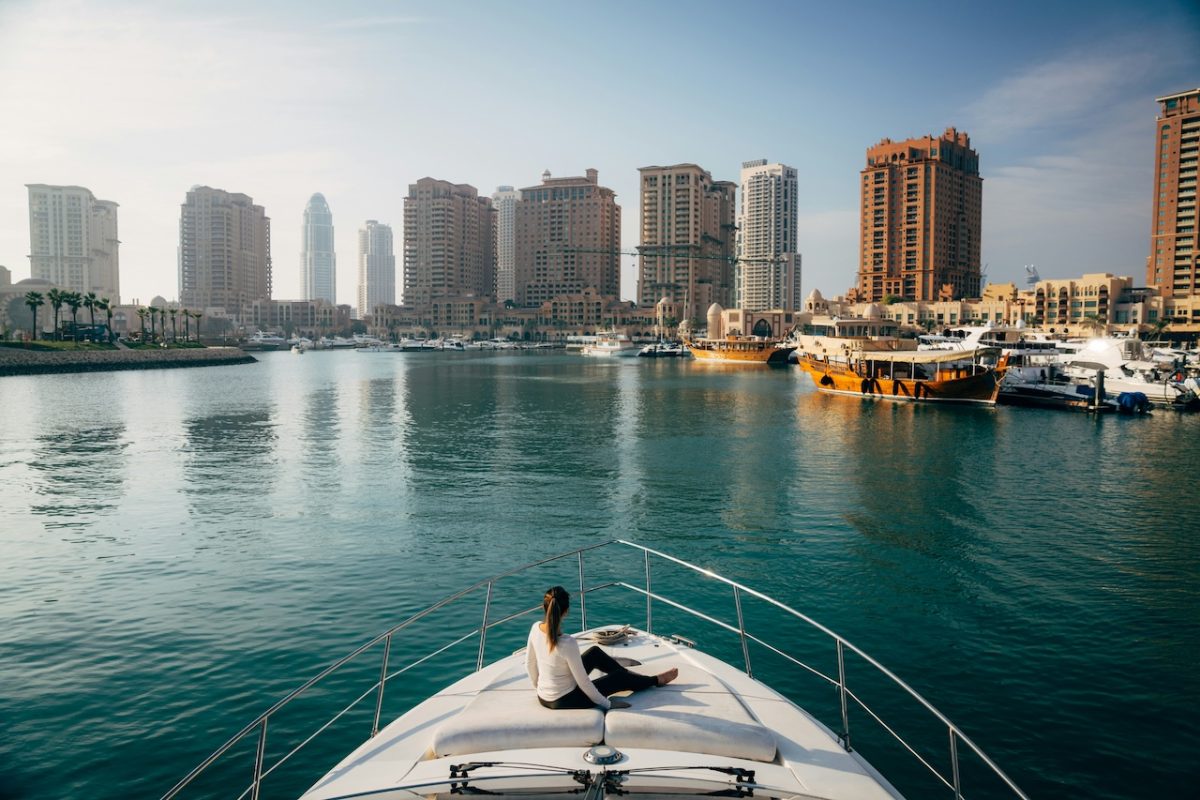
A few months ago, Doha looked like a place you might want to avoid. When geopolitical tensions in the Middle East escalated in late February, temporary airspace closures rippled across the region, forcing airlines to reroute flights along expensive detours. The disruption was massive. More than two million airline seats vanished in May alone as carriers grappled with skyrocketing operational costs and genuine uncertainty about when things would stabilize.
The damage went deeper than flight schedules. Iran's blockade of the Strait of Hormuz sent shockwaves through global energy markets, triggering the worst jet fuel crisis aviation has faced since the 1973 oil embargo. Travelers started canceling trips not just to Middle Eastern destinations, but to anywhere that required flying through the region. It was the kind of crisis that could have crippled tourism for years.
But Qatar didn't surrender. Instead, the country is executing an aggressive recovery playbook. Since late March, Qatar Airways began operating flights along tightly regulated, dedicated corridors. Foreign carriers followed suit in April, gradually resuming services to Doha. Now, more than 30 airline partners are operating from Hamad International Airport, and flight operations continue expanding daily.
Visit Qatar's leadership is pushing hard to remind the world that the country is back in business. Abdulaziz Ali Al-Mawlawi, CEO of Visit Qatar, was direct in recent interviews: "It was a difficult time unlike anything we had experienced before, but we emerged stronger and more resilient." That's not just boilerplate recovery talk. The country is backing up those words with real investment.
Summer Gets the Spotlight
Doha has historically dominated as a winter destination. When temperatures drop and the Gulf becomes pleasant again, tourists flock in for desert safaris, outdoor activities, and the region's vibrant cultural calendar. Summer, by contrast, has been the quiet season when heat and humidity send most travelers elsewhere.
Not anymore. Visit Qatar's Hala Summer campaign, running through September, is designed to flip that script entirely. The initiative bundles discounted luxury resort stays, beach activities, and family-focused "kids go free" promotions with a star-studded entertainment calendar. John Legend is headlining performances, with more international acts to follow.
The strategy reveals Qatar's deeper pitch to travelers. Al-Mawlawi described it bluntly: "You can enjoy diving with whale sharks as well as going on safari, have fine dining, shop, all on the same day. Qatar is the home of our guests from all over the world." It's a collision of experiences. Luxury retail, extreme wildlife encounters, culinary excellence, and desert adventure all within reach.
The Bigger Picture
Beyond immediate tourism recovery, Qatar is positioning itself as a regional business and transit hub. The country is investing heavily in digital travel improvements and streamlined visitor applications. The events calendar now stretches well beyond summer peaks, featuring the Formula 1 Qatar Airways Grand Prix, the Doha Jewellery and Watches Exhibition, and concerts by acts like Shakira and composer Hans Zimmer.
Qatar Airways itself is expanding its reach, planning to grow its international network to over 160 destinations worldwide. That's not just airline ambition; it's infrastructure to support sustained tourism recovery. When you have more flights, you have more ways for travelers to reach the destination.
The crisis that seemed capable of derailing tourism for years has instead accelerated investment and innovation. Like other carriers that transformed challenges into competitive advantages, Qatar's recovery strategy isn't about simply returning to normal. It's about using adversity to build something stronger.
For travelers, the message is clear: Doha is stable, open, and hungry for your business. Whether you're chasing whale sharks off the coast, navigating a souk's endless treasures, or catching world-class performances, Qatar is reminding the world why it became a major travel hub in the first place. The geopolitical storm passed. The destination survived. And it's eager to welcome you back.