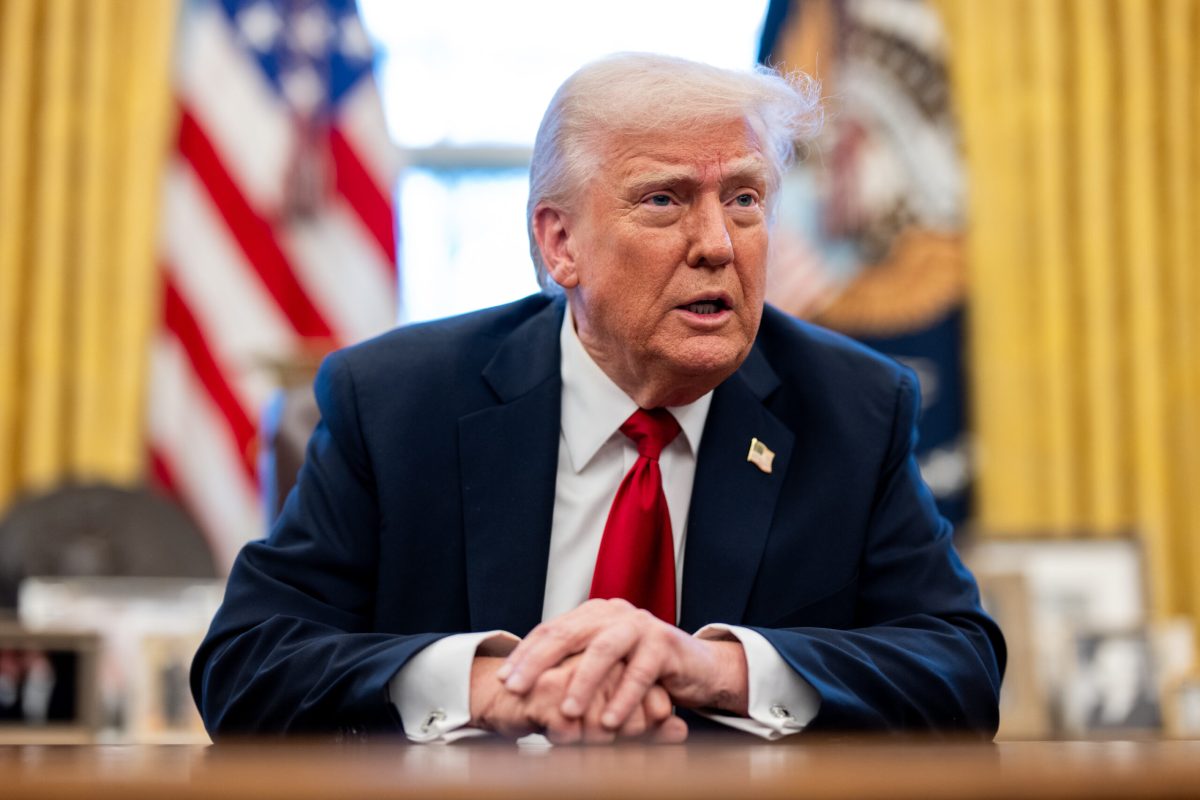
A federal judge in Boston dealt a swift blow to the Trump administration's latest immigration gambit this week. The plan, unveiled last September, would have slapped a whopping $100,000 fee on companies hiring foreign workers for specialized roles. U.S. District Judge Leo Sorokin ruled the levy unconstitutional, calling it an unauthorized tax that only Congress could approve.
The H-1B visa program has been America's main pipeline for international talent since 1990. Each year, the country caps new visas at 85,000, and roughly two-thirds go to tech professionals. The Trump administration's proposed fee would have represented a 20- to 50-fold increase from existing rates, effectively pricing out most employers who depend on this workforce.
States across the country immediately challenged the plan, arguing it would cripple universities, hospitals, and research institutions that rely on foreign expertise. Medical centers and academic labs couldn't absorb those costs without gutting their programs. Silicon Valley, despite what Commerce Secretary Howard Lutnick claims, would have faced a seismic jolt. The federal judge blocked the effort outright, deciding Trump doesn't have the executive power to impose what amounts to a tax increase.
Why This Matters for Your Next Tech Hub Visit
If you're planning a trip to San Francisco, Boston, or Seattle to see innovation hubs in action, this ruling keeps those ecosystems intact and thriving. International talent conferences, startup weekends, and research partnerships all depend on smooth visa flows. Cutting off that pipeline would have downgraded America's standing as a destination for global professionals looking to work and travel.
Trump has long viewed the H-1B program with skepticism, claiming it enables "abuses" and threatens American jobs in science and technology. His administration also believes the program discourages U.S. citizens from pursuing careers in tech fields. Whether that logic holds up is debatable, but the court's decision makes clear he can't unilaterally reshape visa policy through fees.
The White House isn't backing down. Spokeswoman Taylor Rogers signaled an appeal is coming, insisting Trump has "clear legal authority to restrict entry of any class of aliens." Expect this to ping-pong through the courts for months. Trump himself expressed frustration with federal judges, claiming they're hindering his agenda.
Immigration Policy Gets More Creative and Complex
The H-1B fight is just one front in the Trump administration's broader immigration overhaul. In spring 2025, the administration expanded visa bond requirements to citizens of 50 countries, demanding deposits up to $15,000 just to visit the U.S. Think of it as a security deposit on your American vacation. In December 2025, a new fast-tracked residency program launched, offering foreign millionaires a shortcut to permanent status and eventual citizenship for a $1 million minimum investment.
These moves paint a picture of an administration experimenting with fees and financial barriers across multiple visa categories. Some strategies work legally, others don't. The H-1B ruling suggests courts will scrutinize the difference between user fees (legal) and taxes (requiring congressional approval) carefully.
For travelers and international workers planning to spend time in America, the verdict is straightforward: the visa ecosystem remains messy but functional for now. The $100,000 fee won't drain your employer's budget. Whether future appeals or legislative changes upset this balance is anyone's guess.