Walk through any airport gift shop and you'll spot those miniature skyline replicas: glittering models of famous cities frozen in plastic and resin. Travelers buy them to remember where they've been, or to dream about where they want to go next. But here's something researchers discovered recently: those buildings we photograph and memorialize actually shape how we feel about the places we visit and live in.
A 2025 study surveyed over 2,000 people and found that three-quarters said architecture affected their wellbeing. Nearly half admitted to smiling when they passed an interesting building. Those numbers caught the attention of Radical Storage, a luggage company operating in more than 500 cities worldwide. They decided to dig deeper and create a comprehensive ranking of the planet's best skylines.
How they measured a great skyline
Their methodology considered five weighted factors: the total number of skyscrapers over 150 metres (30% of the score), the average height of each city's ten tallest towers (25%), nighttime visibility of the skyline (25%), how densely packed the buildings are (15%), and award-winning architectural achievements (5%). The team analyzed the top 100 cities tracked by the Skyscraper Center before narrowing the list to the top ten winners. The result? A ranking that reflects not just height or quantity, but the overall visual and emotional impact a cityscape has on visitors.
China just became impossible to ignore on the world travel map, and this ranking proves it. Six Chinese cities claimed spots in the top ten, a dominance nobody expected when you think about iconic skylines.
Shenzhen takes the crown
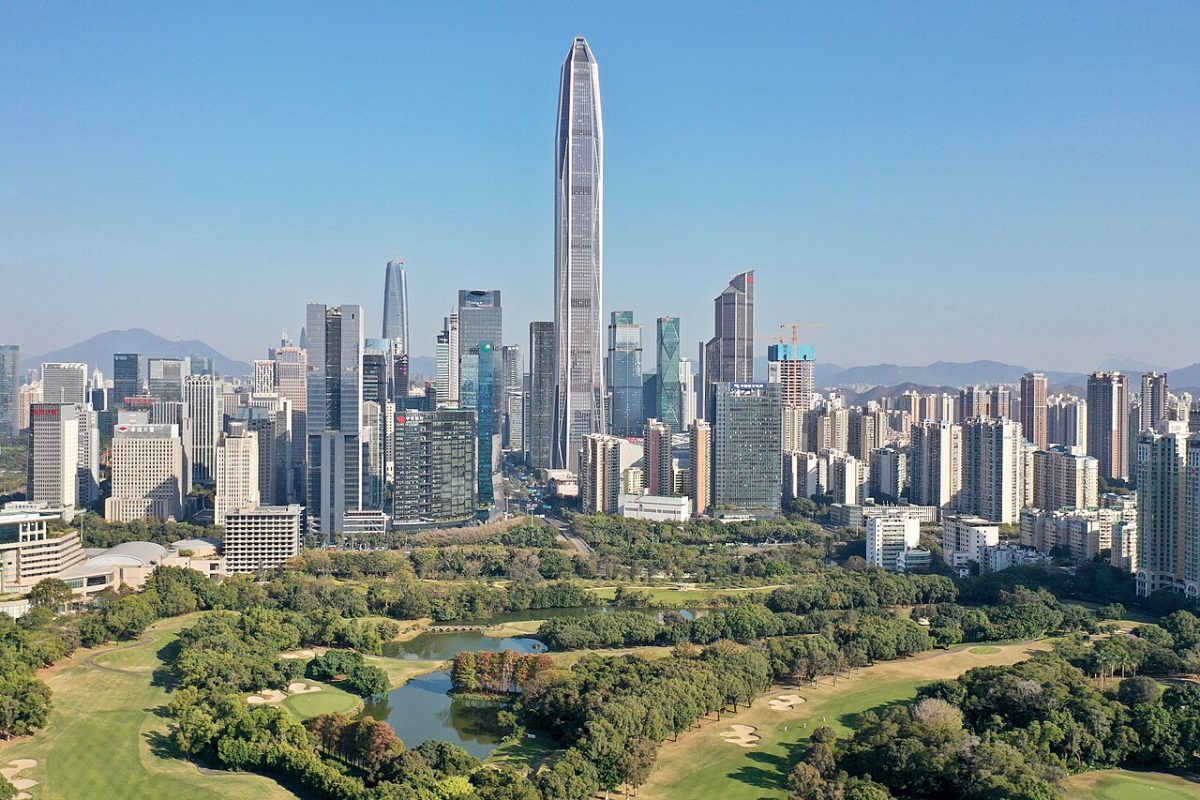
Shenzhen sits at number one. The city hugs the border with Hong Kong and houses 679 buildings exceeding 150 metres. What makes this achievement wild is the speed at which it happened. During the 1980s construction boom, workers completed entire floors of the Guomao Building in just three days. People actually coined the term "Shenzhen speed" to describe this feverish pace. A former fishing village morphed into a global technology powerhouse practically overnight. Today, the Ping An Finance Centre pierces the sky at 599 metres, a gleaming testament to that relentless ambition.
The other five Chinese cities in the top ten are Hong Kong (3rd), Wuhan (5th), Guangzhou (6th), Shanghai (7th), and Chongqing (tied for 9th). Yes, that Wuhan. The city often remembered for the pandemic deserves recognition for its striking architectural profile.
Dubai and New York still stand tall
Dubai claimed second place, powered by 32 supertall towers including the Burj Khalifa, the world's highest building at 829.8 metres. New York grabbed fourth, boasting more award-winning skyscrapers than any other city on the list (20 total), anchored by the iconic Empire State Building. That building has starred in everything from King Kong to Elf, a Hollywood resume few structures can match.
Hong Kong's dense urban landscape has already played second fiddle to monsters in Godzilla vs. Kong and served as Gotham City in The Dark Knight, where Batman famously leapt from the Two International Finance Centre. Shanghai's Bank of China Tower appeared in Mission: Impossible III. Tokyo, tied with Chongqing for ninth place, has hosted Godzilla since the original film premiered.
What makes a skyline truly memorable
Yet here's the paradox worth pondering: the tallest cities aren't necessarily the happiest places to live. A skyline that stuns photographers doesn't automatically translate to satisfied residents. The real measure of a city stretches far beyond how high its buildings reach or how tightly packed they are. Win a Free Trip to China by Making a Video or Drawing and you might discover that charm and livability matter just as much as vertical ambition.
The best skylines are the ones that stick in your memory long after you've left. They're the ones that make you smile as you walk past them, whether you live there or you're visiting for a week. China's rapid rise in this ranking reflects its architectural confidence and urban investment. But the cities that truly win are those where the buildings serve people first and Instagram feeds second. That's where the real magic happens.