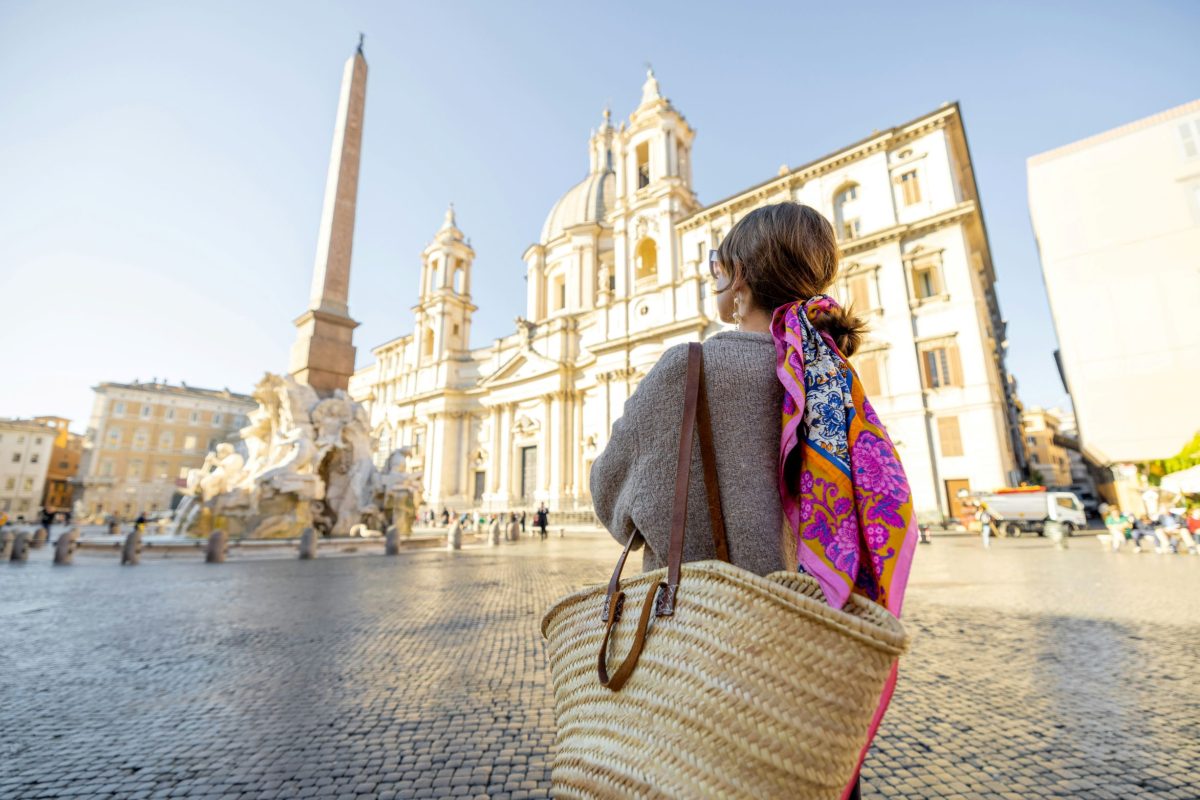
The fantasy of moving abroad is intoxicating. Picture yourself sipping coffee at a sidewalk cafe, wandering cobblestone streets, chatting effortlessly with locals. The reality, however, arrives faster than your first utility bill.
Nearly half the world's destinations now offer Digital Nomad Visas, making relocation more achievable than ever. But between landing and actually living there stretches a minefield of oversights. Visa tangles. Housing mishaps. Crushing loneliness. Language walls that feel impossible to climb. The people who've been through it all have hard-won wisdom to share, and their mistakes are worth learning from before you pack your suitcase.

Start Learning the Language Before You Arrive
This might be the most universal regret among expats worldwide. Many move abroad betting they can coast on English, especially in major cities. That confidence evaporates fast when you're ordering food, explaining a broken air conditioner to your landlord, or asking a taxi driver for directions and receiving only confused stares in return.
One woman who spent nearly a year in Jakarta admitted the shame of barely trying to learn Indonesian. Without basic conversational skills, even trivial errands became miserable. "Simple things like getting around in taxis or getting the air conditioner repaired were the bane of my existence because I couldn't communicate at all," she wrote on The Travel Lush. A few months later, after picking up essential phrases, her entire daily experience shifted. She could chat with neighbors, ask for help without mortification, and actually enjoy her surroundings instead of hiding from them.

Build Your Social Circle Actively and Early
Remote workers face a particular trap: your apartment and WiFi become your entire world. It's easy. It's comfortable. It's also a fast track to isolation that sneaks up on you.
Barbara Olpinski moved from Chicago to Poland in 2020 expecting to settle in easily. Instead, she found herself crying regularly, convinced she'd never belong. "No matter what I did, I couldn't connect with anyone around me," she told CNN. Everything changed the moment she joined a local hobby class. New faces appeared. Conversations happened naturally. Friendships formed. For most expats, these relationships become the actual treasure of living abroad, far outweighing the vacation-like perks everyone imagines.

The lesson is simple but easy to skip: attend community events, sign up for classes, join meetup groups. Push yourself out even when you're tired or discouraged.
Research and Pack What You Actually Can't Find
There's a dangerous assumption lurking in every expat's brain: I can buy anything I need once I'm there. Victoria Kjos learned this lesson the hard way during her year in Jakarta. She arrived expecting to replace everyday items as they ran out.

She was wrong. Absorbable bath towels. Shower curtains. Butter knives. Top sheets. These mundane objects became frustrating luxuries. She'd only brought a few months' supply, betting on easy replacements that never materialized. What sounds like a minor inconvenience becomes a daily reminder that you're not home, that nothing works the way you're used to.
Before moving, spend an hour digging through expat forums and travel blogs for your specific destination. Ask directly: what should I bring from home? Pack 6-12 months of essentials from a category you know will be hard to source. Your future self will be grateful.
Lock Down Your Work, Visas, and Money First
Many people move abroad assuming employment will happen once they arrive. Others dramatically underestimate how long visa processing takes or how complex tax obligations become. These missteps create unnecessary panic during your vulnerable first months.
The explosion of Digital Nomad Visas has simplified things for remote workers, but requirements vary wildly. Most demand proof of monthly income, travel insurance, and honest financial planning. Your move shouldn't depend on crossing your fingers and hoping freelance clients materialize. Have clear answers before you land: What are the visa requirements? Do you need a work permit? What are your tax obligations? Build a cash cushion to cover at least three months of living expenses. This isn't thrilling planning, but it's the foundation that keeps you from panic-calling home three weeks in.
Choose Your Apartment Like Your Life Depends on It
Your home shapes everything. The neighborhood you're in. The commute time. The light coming through your windows. How often you hear your neighbor's television at midnight.
Too many expats grab the first apartment that's available, desperate for housing stability. Months later, they're stuck with noisy neighbors, poor heating, no natural light, or locations that keep them isolated from the city's actual heartbeat. Living somewhere uncomfortable doesn't just mean awkward evenings; it colors your entire experience abroad, making you resentful of a city you might have loved from a different apartment.
Invest time researching neighborhoods before committing. Spend a few days visiting on foot at different times of day. Check transport connections. Look at light patterns throughout the day. Talk to current residents. A slightly higher rent for a better location almost always pays dividends in quality of life.
What You're Really Signing Up For
Moving abroad isn't a vacation with a longer checkout date. It's committing to daily life in a place where nothing is automatic. Every errand requires effort. Every conversation is work. The payoff is real and profound, but only if you enter with realistic eyes and practical preparation. The people who thrive aren't the dreamers who imagine endless adventure. They're the planners who anticipated friction, built safety nets, and gave themselves permission to struggle during the adjustment. That's the real story nobody tells when they're showing off their expat photos on Instagram.