The Seto Inland Sea looks like something a painter dreamed up after too much sake. Steep green hills tumble into impossibly calm water, islands float like brushstrokes, and everything seems to exist in soft focus. It's the kind of place that makes you understand why Japanese artists have spent centuries trying to capture it.
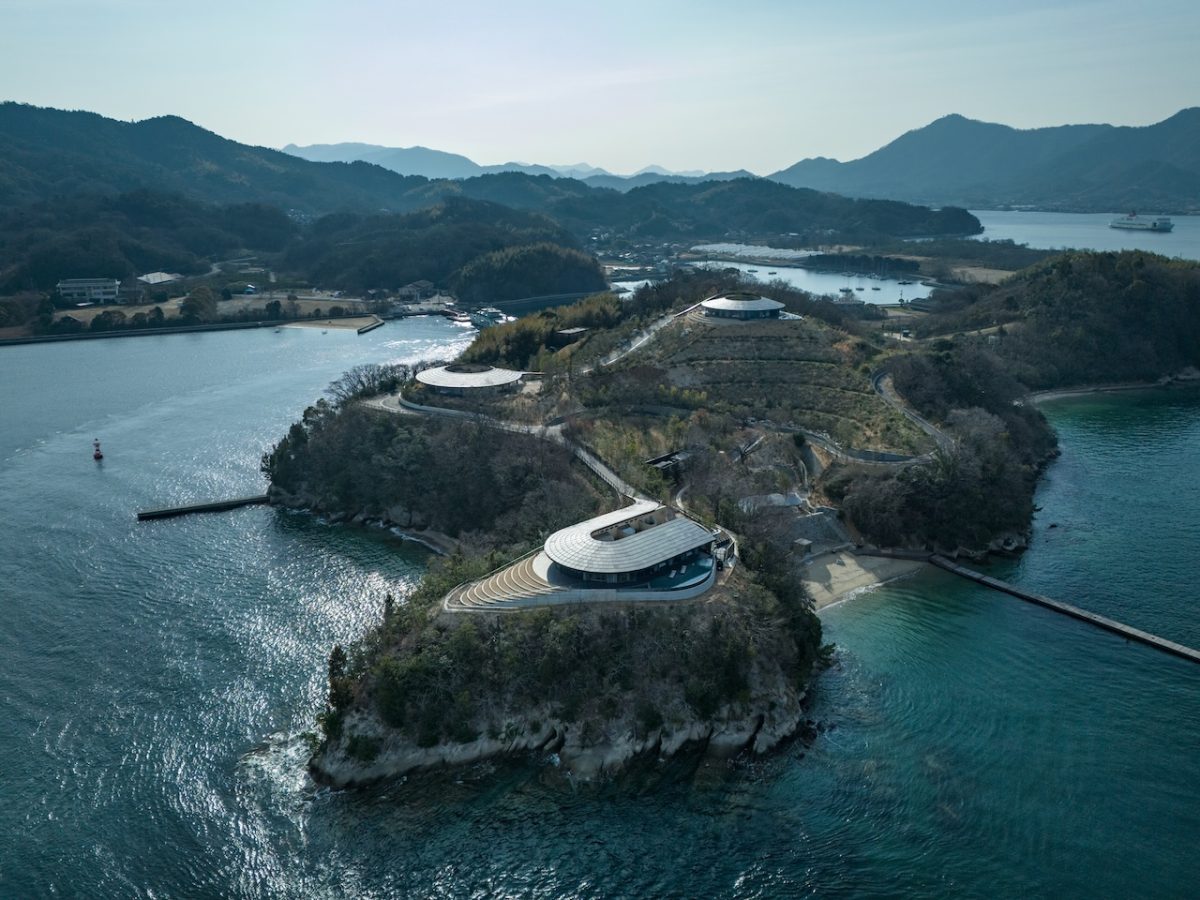
Now there are three new houses here, and they might be the most interesting thing to land in the region in decades. NOT A HOTEL Setouchi, designed by Copenhagen-based Bjarke Ingels Group, sits on Sagishima island and marks BIG's first completed project in Japan. But calling them "houses" feels like calling the sea "water." These are structures so woven into the landscape that you half expect them to vanish if you blink.
Built from the earth beneath your feet
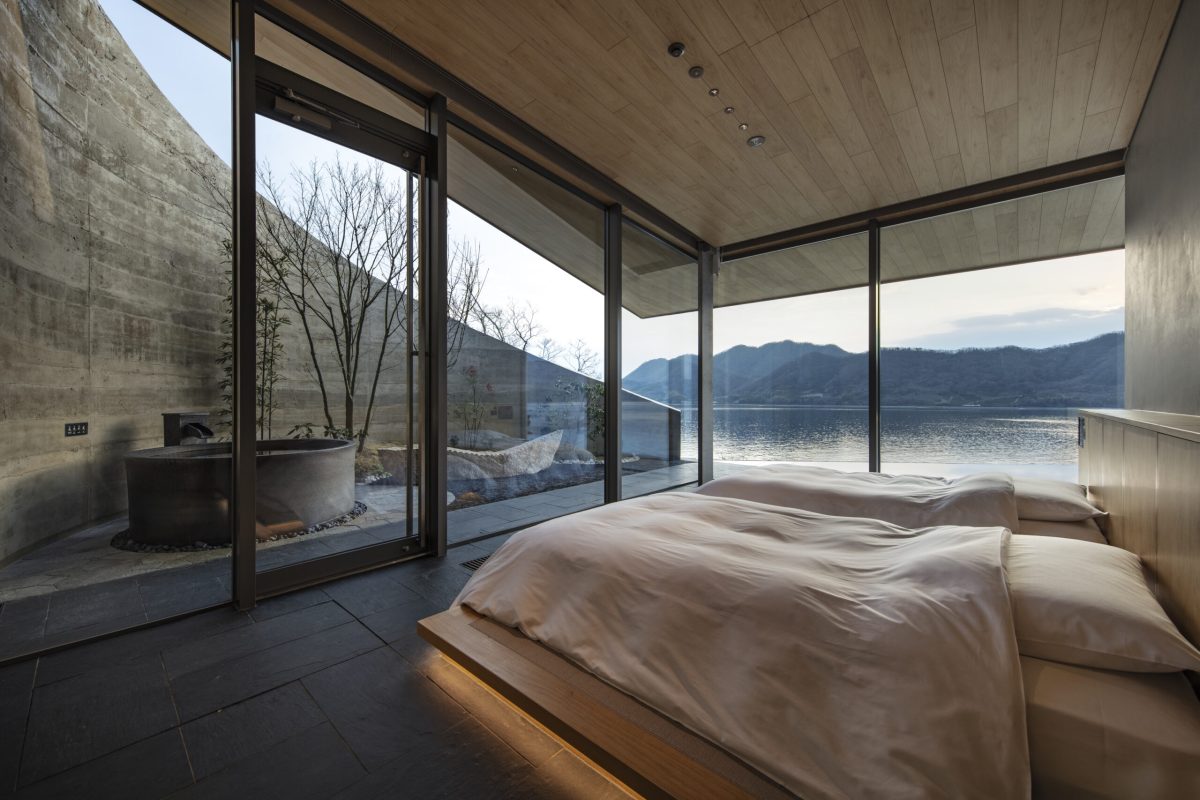
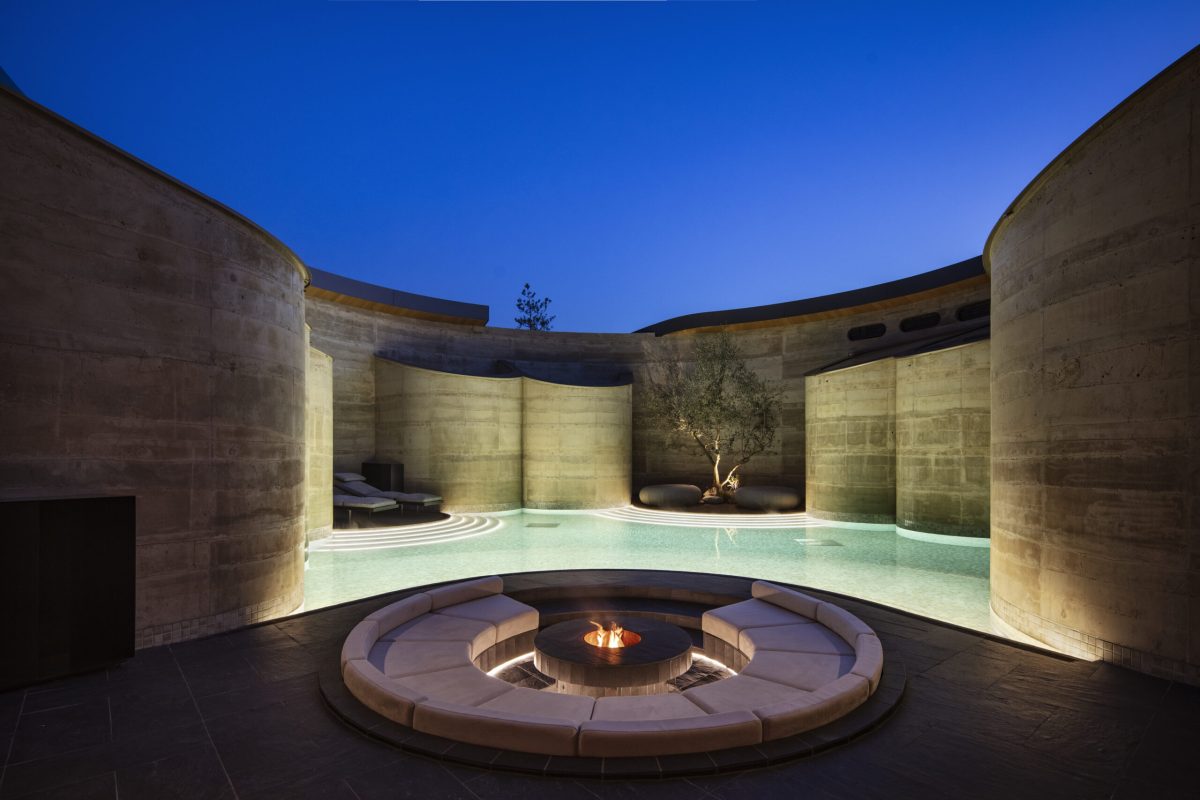
The three villas were constructed using rammed earth sourced directly from the site itself. Builders took the soil they excavated and compressed it into walls, a technique so old it predates modern architecture by centuries. The result is buildings that appear carved from the hillside rather than placed upon it. Walk around them and you'll struggle to tell where the natural slope ends and the structure begins.
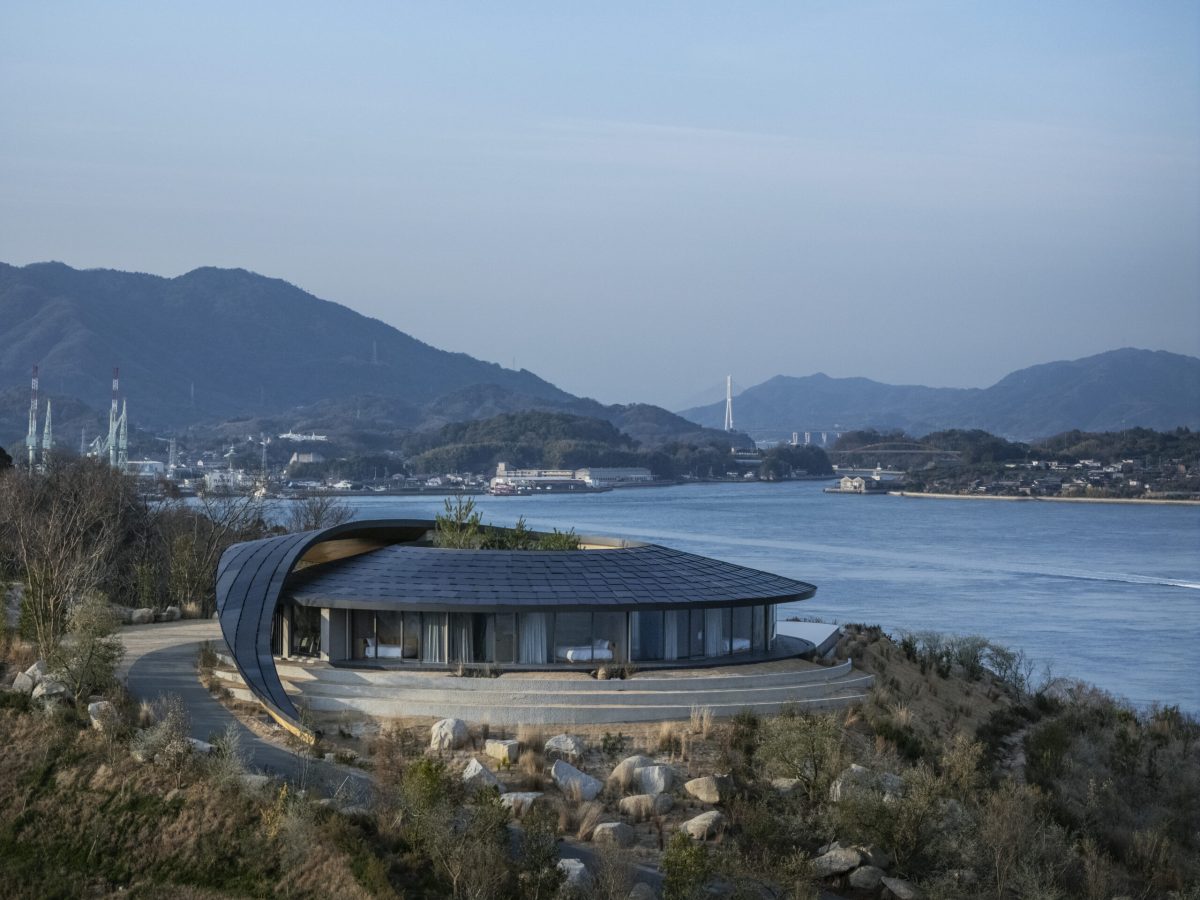
This approach wasn't just poetic. It was practical. By using on-site materials, the construction team minimized environmental disruption and created a visual continuity that no amount of stone or steel could match. The villas settle into the topography like they've always been part of it, responding to each specific location along the slope.
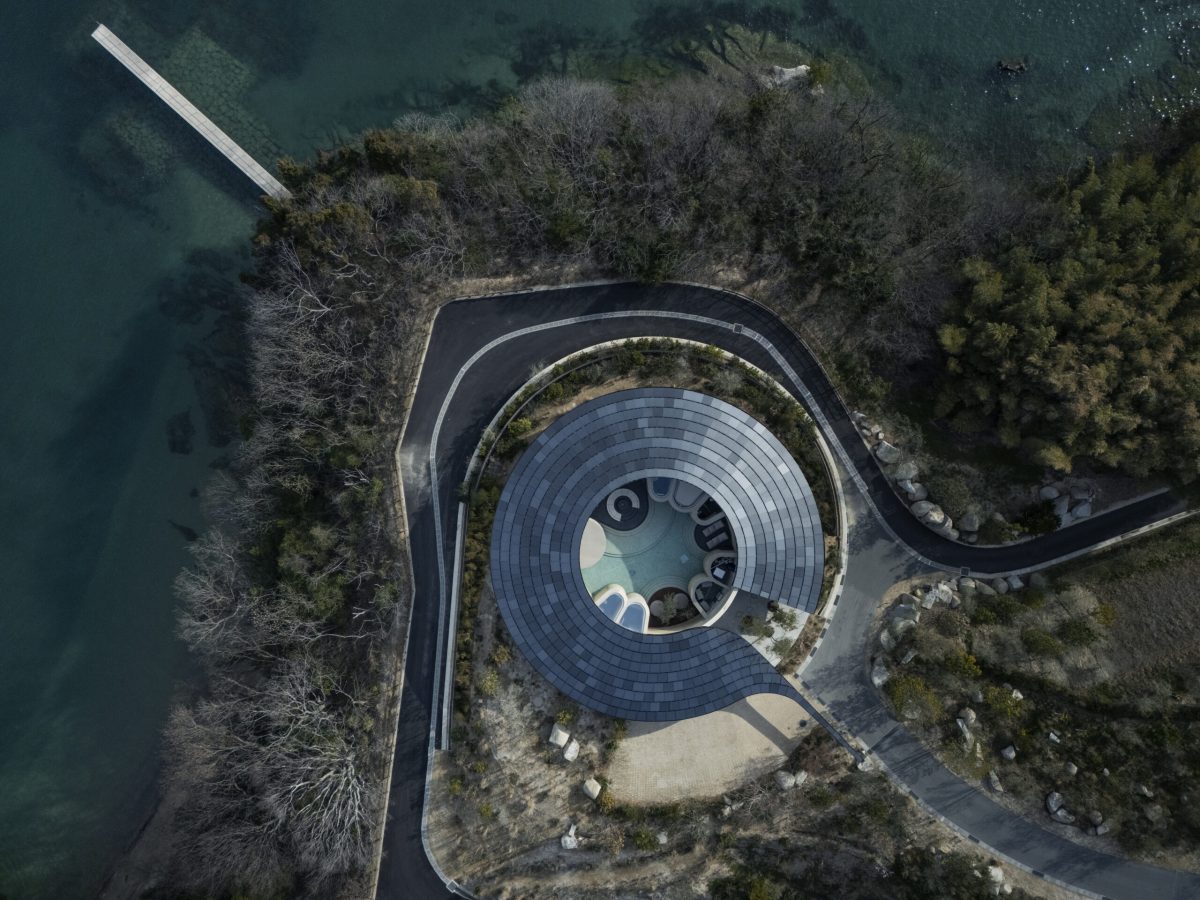
Each villa is named for the view it offers: the 180 villa hugs the shoreline, the 270 wraps around panoramic vistas with a pool and sauna, and the 360 perches at the highest point, arranged in a ring around a courtyard with unobstructed views in every direction. It's the kind of naming system that makes you wish all real estate worked this way.
Where Copenhagen meets Kyoto
Bjarke Ingels and his team didn't try to impose Scandinavian minimalism on a Japanese landscape. Instead, they created something that breathes in both cultures at once. Floor-to-ceiling glass facades reinterpret the shoji screen concept, dissolving the line between indoors and outdoors. Solar tiles reference traditional Japanese roof forms. Storage pods sit beneath skylights. Japanese-style soaking baths wait inside each unit.
The interiors use black slate flooring proportioned to echo tatami mat dimensions, and color palettes stay subdued. Heated infinity pools and adjustable overhangs handle the practical side of living here while passive cooling strategies keep energy use down. Rainwater gets harvested on-site for irrigation. Everything whispers rather than shouts.
The design philosophy hinges on a duality that Ingels describes as "open and extroverted" on the outside, but "private and protected" within. Each villa functions as a lookout onto the archipelago while maintaining intimate, sky-facing courtyards. You're exposed to the view but sheltered from the world. It's the introvert's luxury retreat.
A landscape healed
Before construction began, workers harvested native vegetation. After building finished, they replanted it all. Grasses, olive trees, lemon trees, and other species got restored to their original spots. The goal was to return the island as close to its untouched state as possible, which feels increasingly rare for any luxury development of this scale.
The project also includes a beachfront restaurant and private beach access across the 30,000-square-meter site. If you're booking one of these four-bedroom villas, you're not just renting a house; you're getting a private slice of one of Japan's most visually stunning regions.
For travelers interested in Japan's luxury hospitality sector, this represents something worth watching. It shows that high-end development doesn't have to mean imposing foreign aesthetics on delicate landscapes. Sometimes the most luxurious thing you can offer is a home that looks like it belongs exactly where it is.