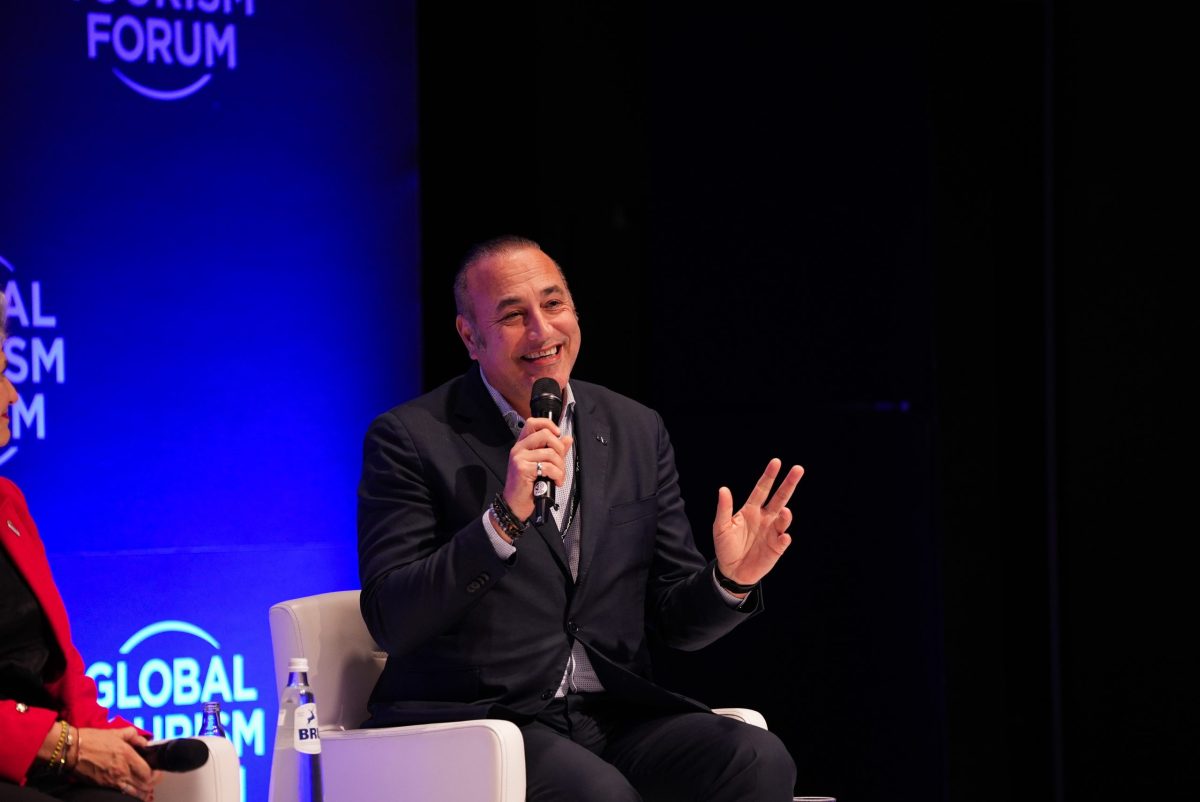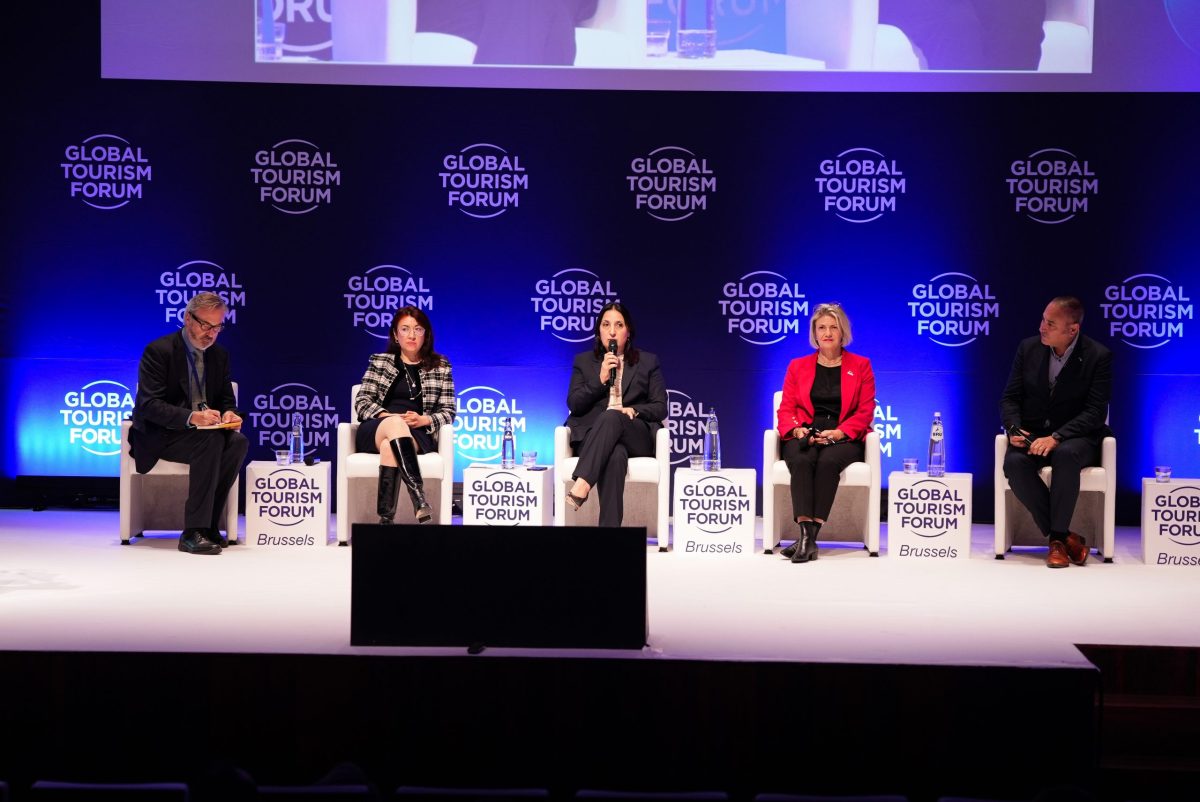
The future of travel is not a solar-powered resort with a recycling bin in every room. At least, that was the message echoing through the Global Tourism Forum in Brussels, where speakers pushed for a wider view of sustainability. The real work, they argued, happens beyond the property line, in the roads, rails, and communities that carry visitors from place to place.
Day one of the forum set a clear tone. Coordinated destination planning is the foundation of climate resilience, not just a nice extra. Andreea Staicu, deputy head of the European Commission's tourism unit, put small businesses and local destinations at the center of the conversation. She walked delegates through the EU's new Sustainable Tourism policy, which includes a toolbox for managing visitor flows. Staicu admitted she is tired of the term "over-tourism." For her, the issue is not just about crowded hotspots. It is about helping places that want more visitors get them, while spreading the benefits across seasons and regions.
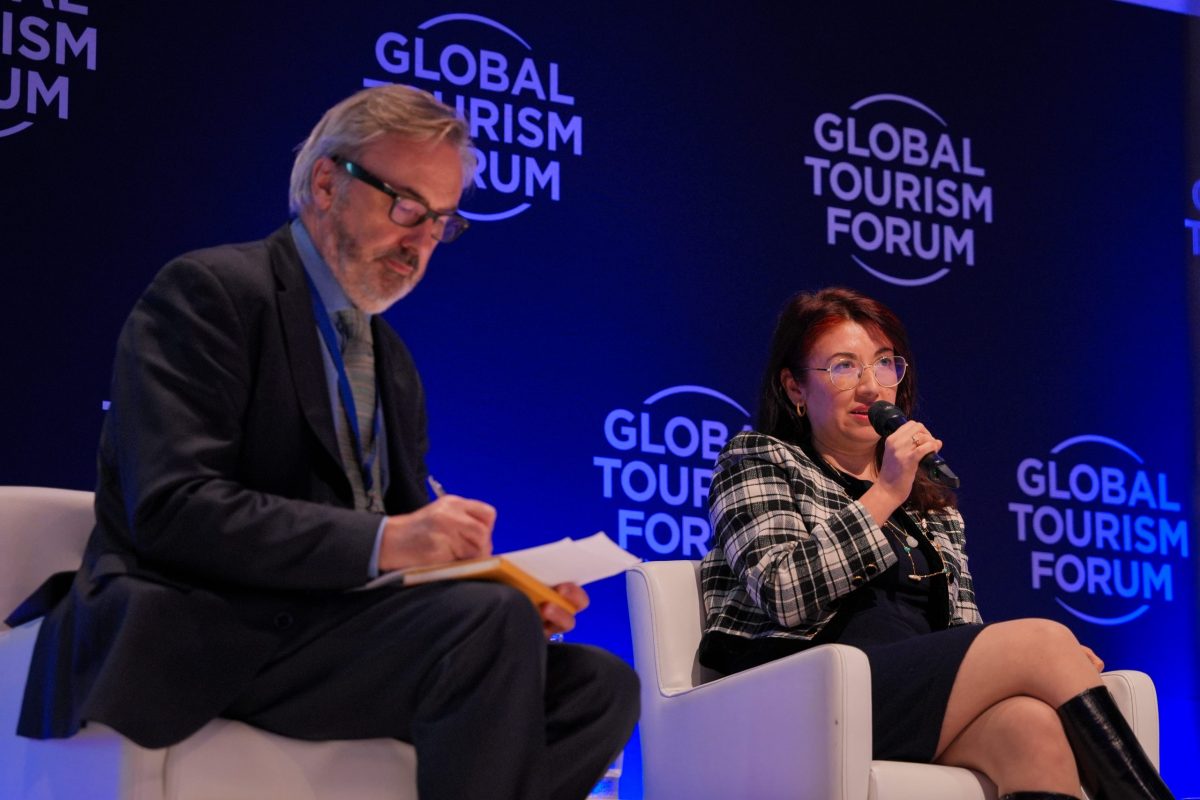
The European Commission has also introduced a climate resilience framework for destinations. That means thinking about water, waste, accessibility, and the shifting weather patterns that affect travel. The idea is to make tourism work for everyone, not just the usual suspects. For a deeper look at how Europe is shaping this agenda, check out Europe's first tourism strategy and what it means for travelers.
Hotels Can't Do It Alone
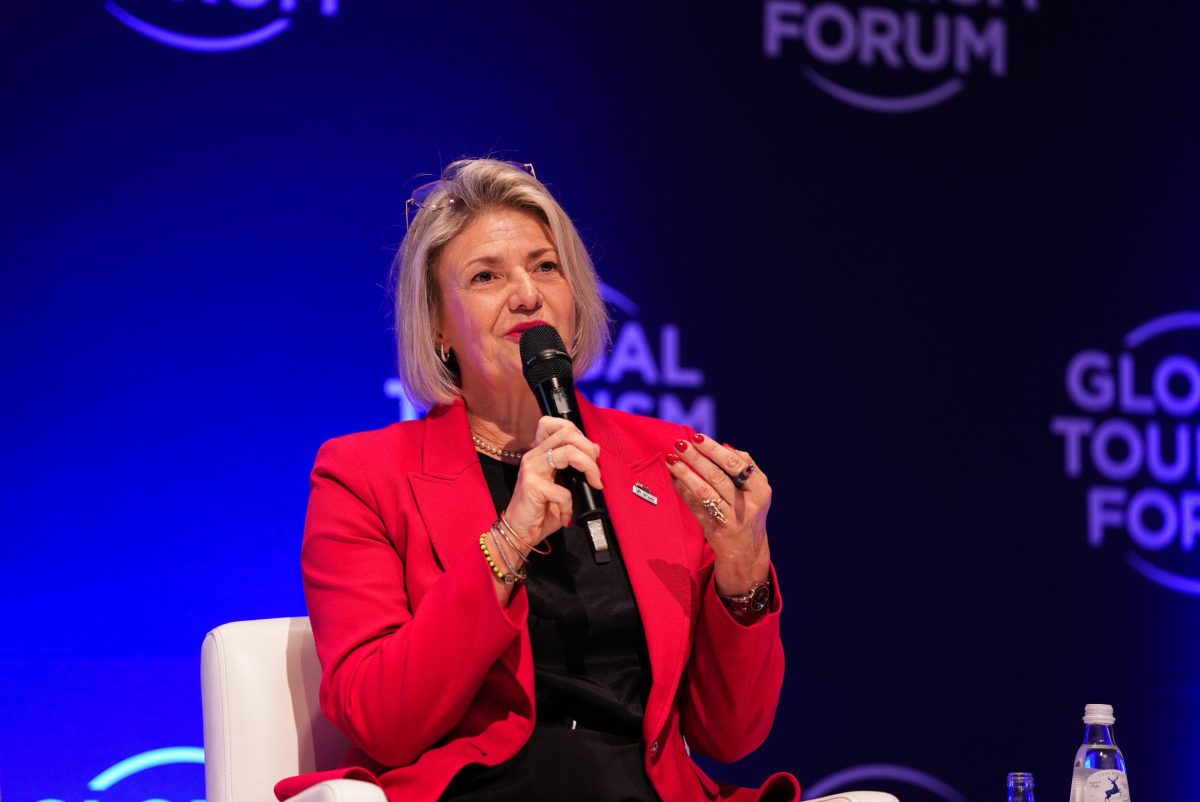
Radisson's global sustainability chief, Inge Huijbrechts, brought the discussion down to bricks and mortar. The group runs 11 certified net-zero hotels, but she stressed that asset owners must be as committed as the brands. A hotel can cut its energy use and switch to renewables, but if the building's owner is not on board, progress stalls. She pointed to Sheffield, where the city council spent a decade renovating a historic hotel as part of a wider regeneration plan. That groundwork allowed Radisson to turn the property into a net-zero showcase. The lesson is simple, one investment leads to another.
Mountains, Mud, and Year-Round Appeal
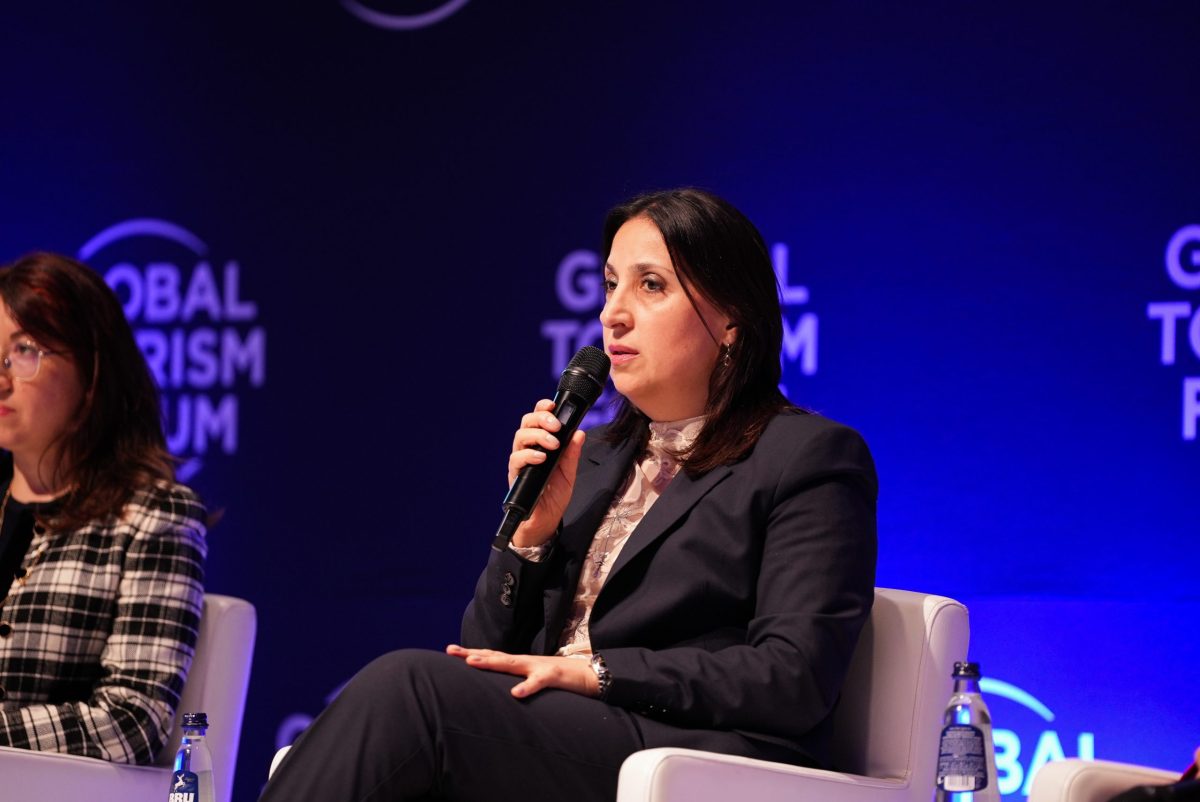
From the UK, the conversation jumped to the Caucasus. Nathalie Kvachantiradze, chair of the Georgian Tourism Association, described how investment in Georgia must focus on roads and infrastructure that can handle snow and flooding. But she also pushed for a year-round offer. Georgia's mountains are not just for winter sports. Spring hikes, summer trails, autumn colors, and a deep food and wine culture can keep visitors coming all year. Diversification and climate adaptation go hand in hand, she said, and both need public-private partnerships to get off the ground.
The Money Problem
Financing remains the stubborn hurdle. Nico Nicholas, co-founder of Zero Group, turns wastewater into biofuels, a solution that tackles both waste and energy needs. Yet he admitted that securing support "hasn't been as easy as we had hoped." Most backing still comes from municipalities and governments. Nicholas argued that sustainability must pay for itself, not rely on charity. Savvy investors, he said, are starting to see the long-term value. For more on how tourism is measuring its impact beyond money, see tourism's new scorecard.
Getting There Is Half the Battle
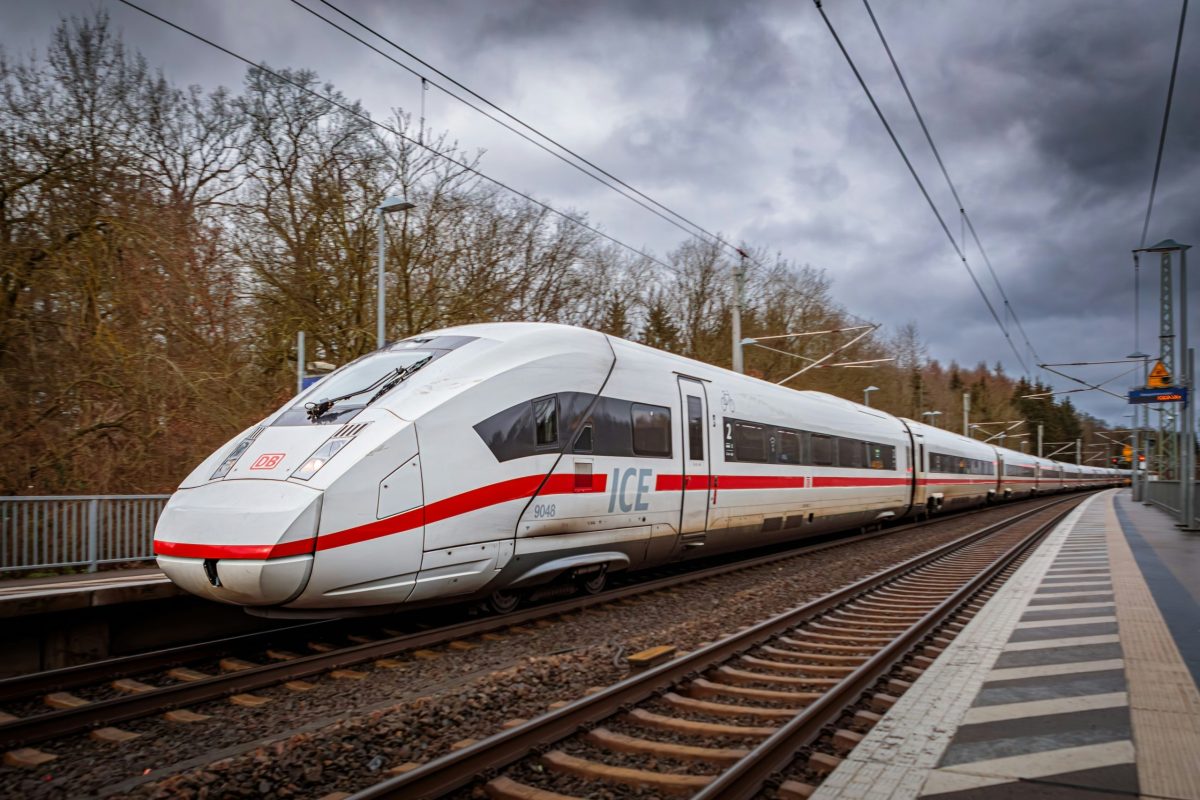
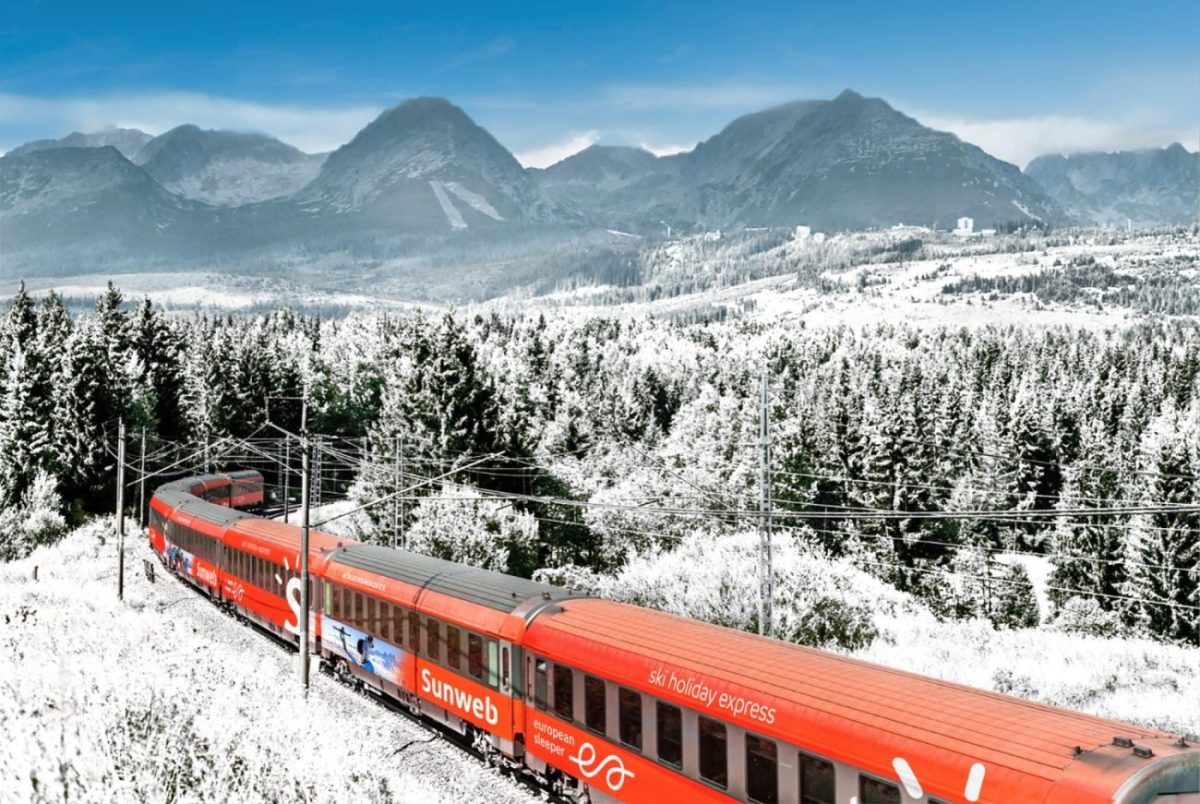
A separate session on connectivity reinforced the same theme. European rail needs less fragmentation and more seamless cross-border journeys. Remote destinations must be visible and bookable without losing their character. Extending the travel season is not just about having things to do. It is about reliable access and predictable demand, so businesses and investors can plan with confidence. The Brussels summit also touched on how tourism can build bridges, not just barriers.
For travelers, the payoff could be real. Easier border crossings, more choices outside peak season, and a more consistent commitment to sustainability. The industry's challenge is to bring policy, finance, and on-the-ground delivery together. That means shared responsibility across governments, businesses, and local communities. It is a tall order, but the alternative, a patchwork of green hotels in a sea of concrete, is not much of a future at all.