On a crisp November morning in Brussels, the Global Tourism Forum Annual Meeting 2026 swung open its doors at the Royal Museums of Fine Arts of Belgium. The two-day gathering pulled in ministers, ambassadors, investors, and travel heavyweights from every corner of the planet. Their mission? To figure out how tourism can survive, and thrive, in a world rattled by conflict, economic wobbles, and a changing climate.
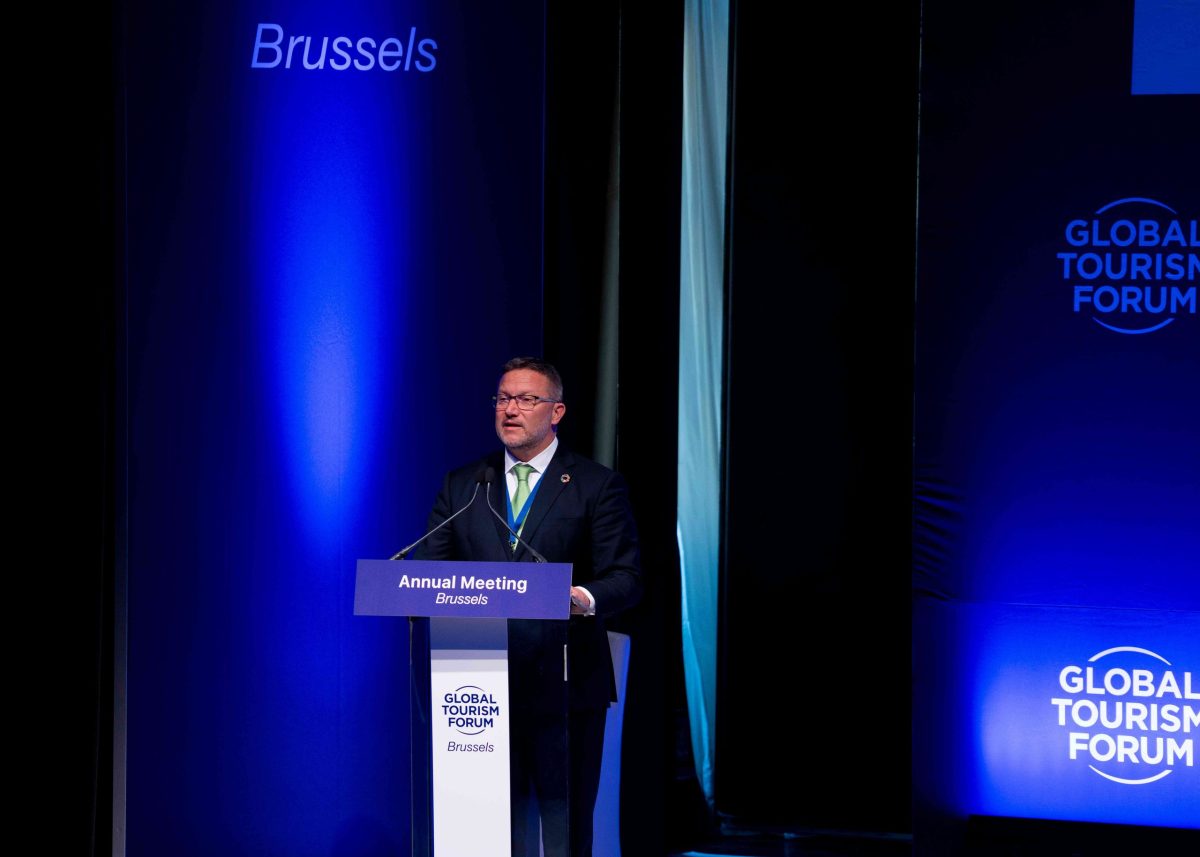
The opening ceremony set the tone with a simple but powerful metaphor. Dr István Ujhelyi, President of Capital European Affairs and Global Vice President of Hiseas International, called tourism "the air we breathe." We only notice it when it's gone, as the pandemic years made painfully clear. He ticked off the industry's unfinished business, from staff shortages and visa headaches to the absence of a global safety net for small businesses and stranded travelers. "We have a voice. It still carries too little weight," he said, pushing for a worldwide tourism pact and calling the sector "the industry of peace."
A Small City With a Big Address Book
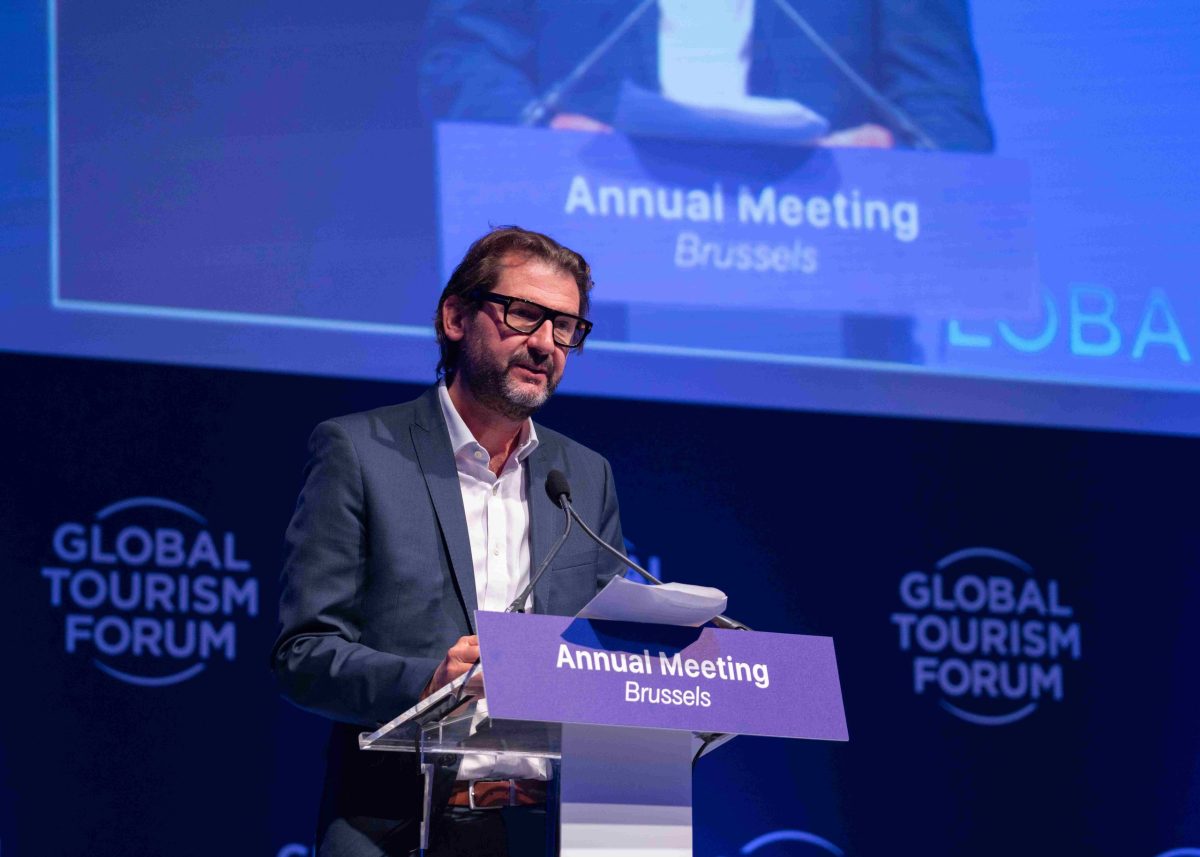
Patrick Bontinck, CEO of visit.brussels, welcomed delegates to "a small city with a very big address book." He wasn't wrong. Brussels hosts the European institutions, NATO, and one of the largest diplomatic communities on Earth. But Bontinck didn't dodge the hard questions. He acknowledged the strain of overtourism, the carbon footprint of travel, and housing shortages in popular cities. Still, he argued, tourism isn't just the problem. "Behind many solutions for our planet, there is a meeting, and behind every meeting, there is tourism," he said.
His prescription? Treat tourism like medicine, where dosage matters. Destinations need to balance visitor numbers with resident well-being, cooperate with other cities, and measure success beyond raw visitor counts. He also made a case for the simple act of meeting. With walls going up amid geopolitical tensions, "it has never been more important for people to meet, to know each other, and to understand each other." That sentiment echoes in Europe's first-ever tourism strategy, which aims to make travel across the continent smoother and more sustainable.
Investment, Security, and Trust in One Breath
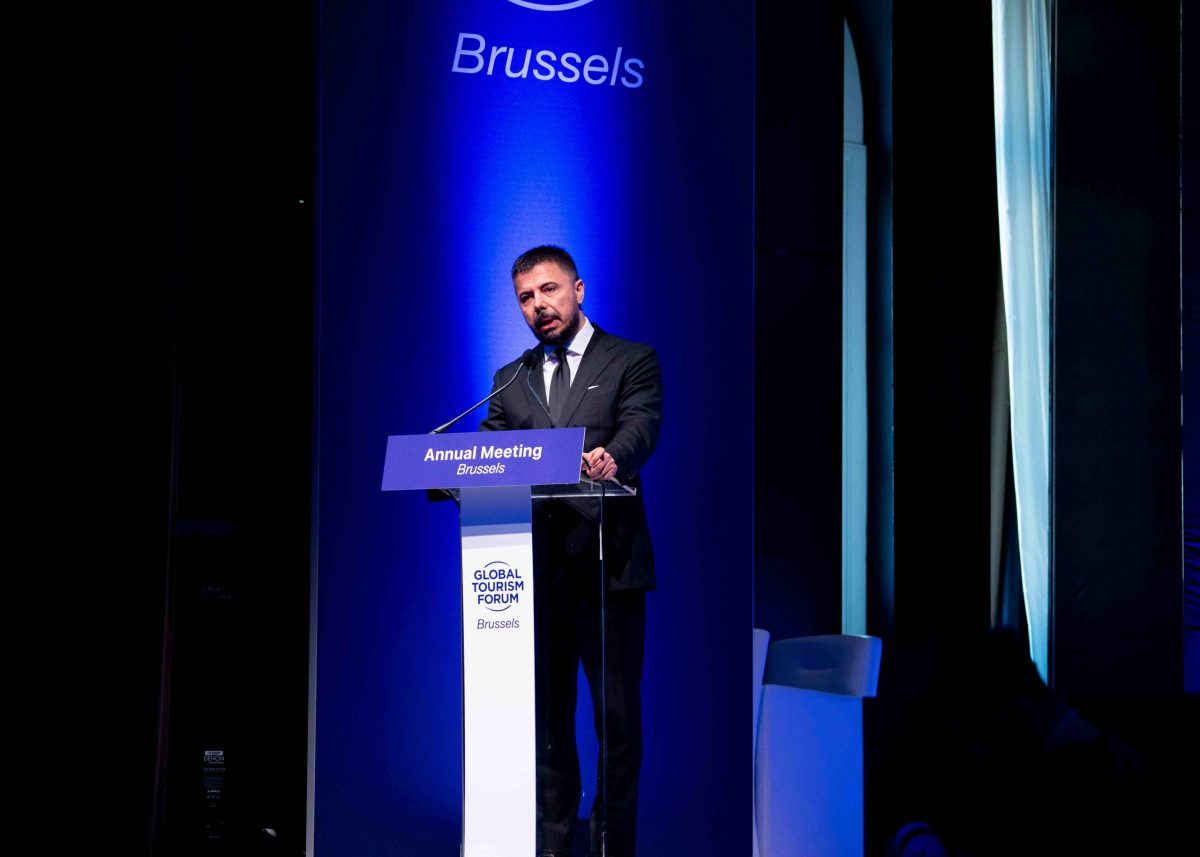
Bulut Bağcı, President of the World Tourism Forum Institute, the organizing body, explained why these three themes belong together. "Investment needs confidence, travel needs confidence, and confidence grows when people feel safe and know what to expect," he said. He called tourism "infrastructure," not just a sector, and highlighted connectivity, security in its broadest sense (from passenger safety to data protection), and artificial intelligence. But he stressed that people remain the core investment. He urged participants to ask tough questions and carry the conversation forward after leaving Brussels.
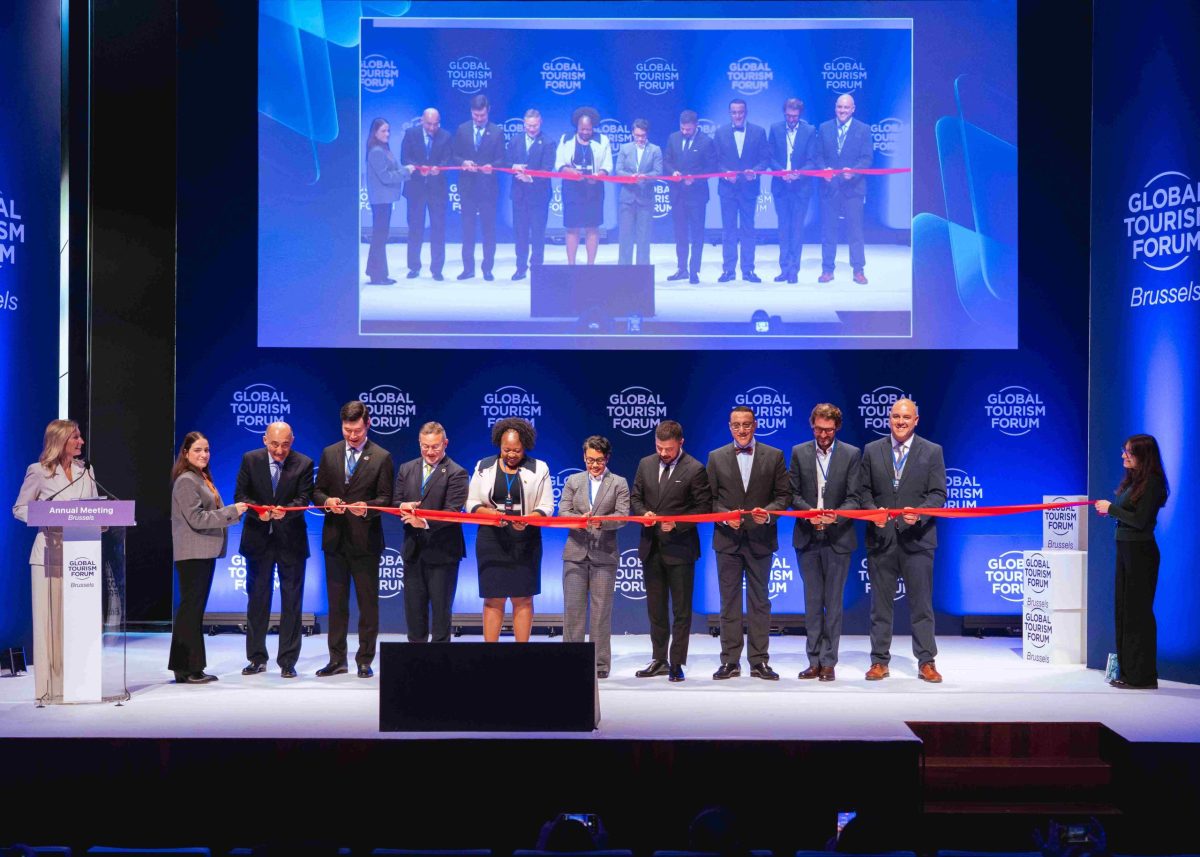
The ceremony wrapped with a ribbon cutting alongside partners and a performance by the Brussels City Ballet. Then came the real work. Day one focused on Global Leadership and Investment. Day two zeroed in on Security, Resilience, and Trust. For travelers, these discussions matter more than they might seem. They shape everything from visa policies to how cities handle crowds. If you've ever faced a visa maze or wondered why some destinations feel more welcoming, this is the room where those decisions start. Europe's visa maze is a real test for its tourism boom, and the forum's push for trust could ease that friction.
Brussels itself is no stranger to the tensions Bontinck described. The city has been cracking down on short-term rentals, with fines nearing six million euros, a move that reflects the struggle to keep neighborhoods livable. The Airbnb crackdown shows how local policies are part of the global tourism puzzle. Meanwhile, the forum's call for measuring value beyond numbers aligns with a broader shift in how destinations assess their tourism success. Tourism's new scorecard goes beyond money and numbers, looking at resident happiness and environmental impact.
As the delegates filed out of the museum, the message lingered. Tourism is fragile, but it's also a bridge. In a world that often feels divided, the simple act of traveling, meeting, and sharing a meal can be a quiet act of diplomacy. The forum's ambition is to give that act the weight it deserves. For the rest of us, it's a reminder that every trip we take is part of something bigger, a global conversation about trust, security, and the future of movement.