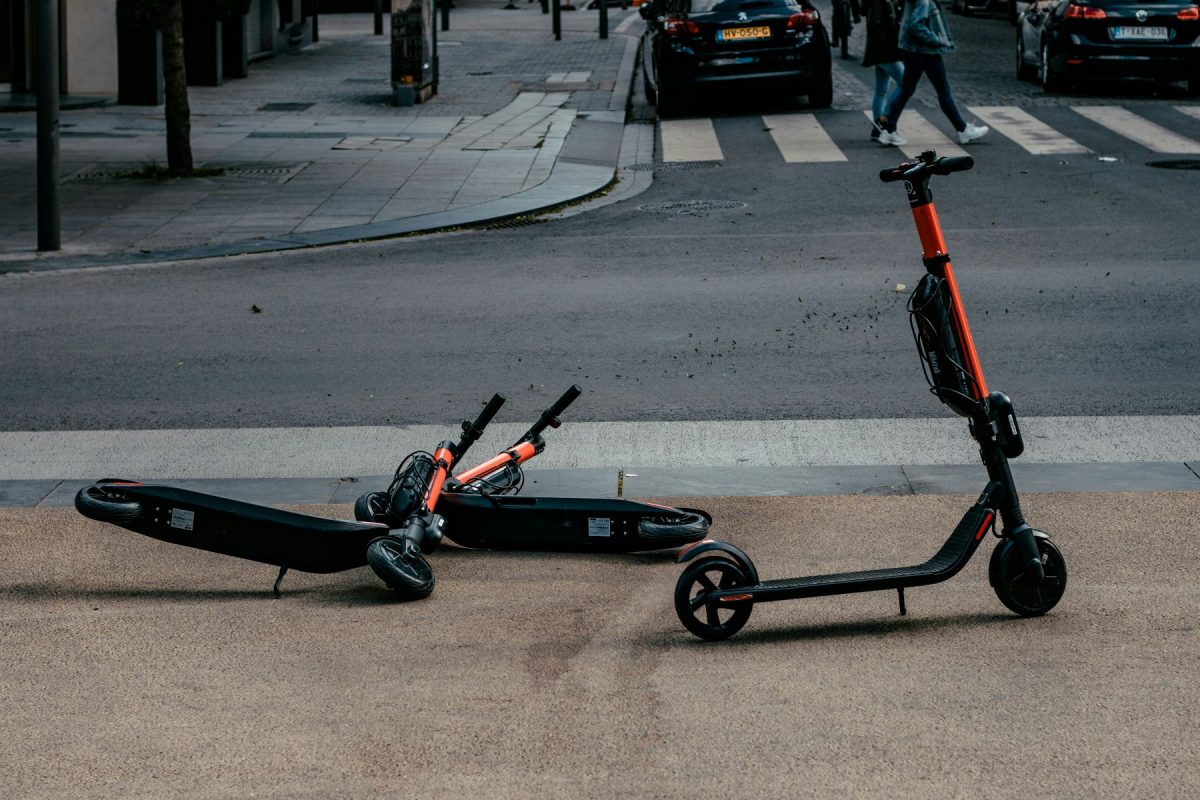
For a few years, Brussels seemed to have cracked the code on last-mile city transport. Colorful rental e-scooters lined the sidewalks, ready for quick zips across the Belgian capital. Then reality set in, and in June 2026, the Brussels government voted to shut them down entirely by 2027.
The decision didn't come out of nowhere. Over 2025, the injury count from e-scooter accidents in the Brussels-Capital region hit 666 people, a 25 percent jump from the year before. These weren't minor scraped knees. Falls from e-scooters tend to be meaner than tumbles from bikes, leaving riders with more serious injuries. Beyond the safety data, riders complained endlessly about thoughtlessly parked scooters clogging sidewalks, blocking wheelchairs, and turning pushchairs into obstacle courses. According to Brussels public prosecutor Julien Moinil, the machines were also used in 25 shooting incidents throughout the year, adding another troubling dimension to the problem.
When contracts with rental operators Bolt and Dott came up for renewal at the end of 2026, the city's leadership made their call: don't renew. Shared e-scooters will vanish from Brussels streets as of 2027.
A City Choosing Accessibility Over Novelty
Mobility Minister Elke Van den Brandt framed the decision as more than just a safety crackdown. "Anyone who falls off a scooter is more likely to be injured than someone who falls off a bicycle, and haphazardly parked share scooters make pavements even more difficult to navigate for people with reduced mobility, parents with pushchairs or the elderly," she explained to Brussels outlet BRUZZ. "This decision goes beyond safety alone. It's about choosing a city with enough alternatives to get around quickly and efficiently."
That alternative is bikes. Brussels will keep its bike-sharing system, Villo!, and is planning a major upgrade. The platform currently operates under JCDecaux until September 2028, after which a new network based on fixed docking stations will roll out across all Brussels neighborhoods. Brussels is getting a massive makeover before summer hits, and this shift in mobility infrastructure is part of the broader city evolution.
Prime Minister Boris Dilliès echoed the sentiment. "The decision to ban share scooters from the streets of Brussels is clear and sound policy. By retaining share bikes, we are reconciling individual travel with public order," he said. It's a pragmatic position: keep micro-mobility options, but ditch the ones causing genuine problems.
A Broader Pattern Across Europe
Brussels isn't pioneering this move. Cities including Paris, Madrid, Melbourne, and Prague have already banned rental e-scooters over similar safety and nuisance concerns. Others like Rome and Copenhagen have taken a different route, imposing strict regulations to minimize harm while keeping them operational. The global trend suggests that the romantic vision of e-scooters as the future of city transport is colliding hard with actual urban life.
The pressure on e-scooters in Belgium extends beyond Brussels. In May 2026, Antwerp's hospital group ZAS called for nighttime bans between midnight and 8 a.m., arguing that late-night accidents tend to be more brutal. Belgian Mobility Minister Jean-Luc Crucke has also pushed for mandatory helmet laws for e-scooter riders (given that the machines can exceed 20 kilometers per hour), with new rules slated for September 2026. Rental operators will probably just lower their speed caps to sidestep the requirement.
What This Means for Travelers
If you're planning a trip to Brussels, this shift shouldn't ruin your mobility plans. Bike-sharing is a reliable and genuinely pleasant way to navigate the city. The upgraded Villo! system will offer more stations and better coverage. Beyond that, Brussels has solid public transport via metro, tram, and bus. Brussels Airport's midnight train gambit could revolutionize early departures, giving you another reason to think beyond traditional rental cars and scooters for getting around the metro area.
Walking is also a genuine option in central Brussels. The city is compact enough that many attractions are reachable on foot. Pair walking with tram rides and bike rentals, and you'll find yourself getting around just as easily as you would have with e-scooters, minus the chaos and danger. The removal of rental scooters might actually make pedestrian life more pleasant, clearing sidewalks and reducing conflicts between different modes of transport.
Europe's cities are increasingly making hard choices about urban mobility. Brussels chose livability and safety over the promise of shiny new tech. For travelers, that means a cleaner, calmer city waiting for you in 2027 and beyond.