Picture this: you arrive in Brussels for a long weekend and find the city sparkling. No grimy benches, no peeling stickers, no accumulated grime on lamp posts. Sounds nice, right? Well, that's exactly what the Brussels city government is betting on.
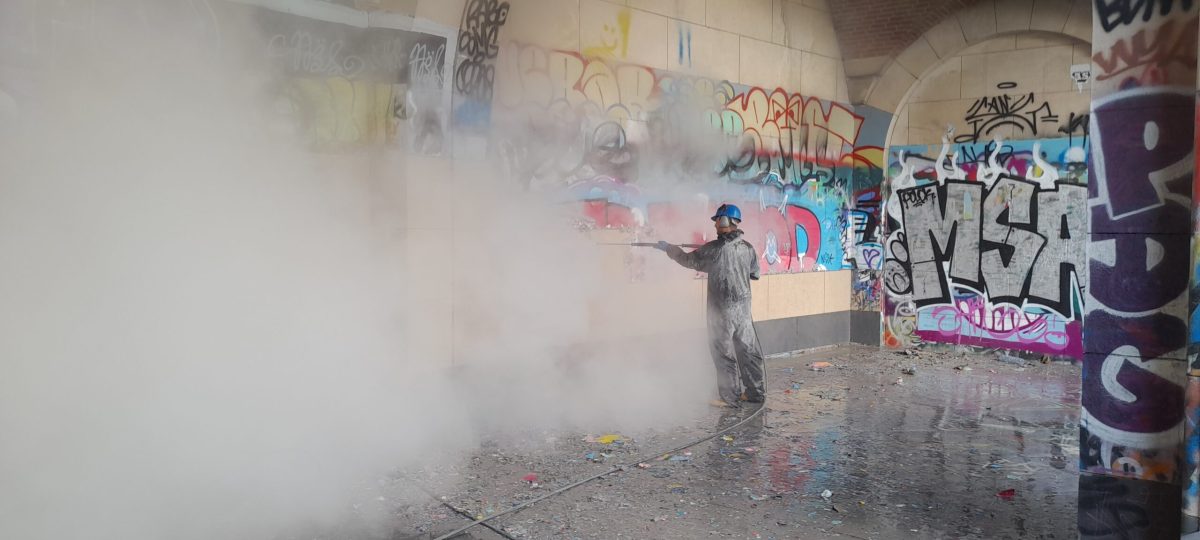
Starting this spring, public workers fanned out across the city center with a serious weapon in their arsenal: industrial steam-cleaning machines running at superheated temperatures. Over a 10-day period, nothing escaped scrutiny. Bollards, cycle racks, drinking fountains, lamp posts, flower boxes, kiosks, and yes, even the public toilets (which probably needed the love more than anything else) all got the treatment. Street furniture, walls, stickers, and graffiti became targets of this ambitious refresh operation.
Why the Sudden Urgency?
The reason is straightforward: summer is coming, and with it, hordes of tourists. Anas Ben Abdelmoumen, the Brussels councilman overseeing Public Cleanliness, wanted the capital to look ready. "We have noticed that simply sweeping or removing dirt is not enough," explained Andreas De Kerpel, Ben Abdelmoumen's spokesperson. "Steam cleaning is a very effective technique for removing tags and stickers." The city invested in new steam-cleaning machines specifically because they work where traditional methods fail.
De Kerpel was candid about the real issue. Benches covered in tags and stickers don't just look messy; they create a sense of neglect and even insecurity. By refreshing the entire cityscape, the city sends a signal that public spaces matter. "The idea is to clean everything with steam and superheated water so that it looks like new again," De Kerpel said.
The Graffiti Question
Here's where things get interesting. Street art has always occupied a gray zone in cities like Brussels. Some see it as vandalism; others defend it as legitimate creative expression. This cleanup campaign targets graffiti directly, which means artists scrambling to photograph their work before it vanishes beneath clouds of industrial steam might be a common sight this spring.
Yet graffiti's power lies partly in its impermanence. It reflects the mood, frustrations, and trends of the moment. Artists looking for a blank canvas might see this cleanup as an opportunity rather than a loss. The cycle continues. If you've spotted a mural or tagged wall you wanted to capture, now is genuinely the moment to do it.
This Is Just the Beginning
The entire operation carries a price tag of at least €40,000 and is being run with an external company as a pilot project. If results are convincing, this type of campaign could become a regular occurrence, happening several times a year. With more travelers choosing to stay regional this summer, cities like Brussels are making sure they're ready for guests.
Early results are already visible along the central pedestrian zones. Benches that looked weathered now gleam. Walls that bore years of accumulated tags are fresh again. Whether this freshness lasts depends largely on residents and visitors respecting these shared spaces. The city's message is clear: we've cleaned it; your turn to keep it that way.
So if you're planning a Brussels visit this summer, you'll be arriving in a city that's undergone serious prep work. The Grand-Place and surrounding areas will shine. Bring your camera, respect the public furniture, and maybe leave your own mark in ways that don't require industrial solvents to remove.