Picture this: you're racing through airport security, frantically remembering whether you emptied that perfume bottle, sweating about the laptop buried three layers deep in your carry-on, and mentally calculating if that shampoo is actually under 100ml. By 2029, travelers passing through Brussels Airport won't have to play this exhausting game anymore.
The airport just announced a major security overhaul powered by next-generation CT and body scanners. These machines are sophisticated enough that you'll no longer need to remove liquids or electronics from your bag. No more frantically fishing out your laptop. No more transparent bags. No more silent panic when you spot a forgotten moisturizer at the bottom of your suitcase.
What's Actually Changing
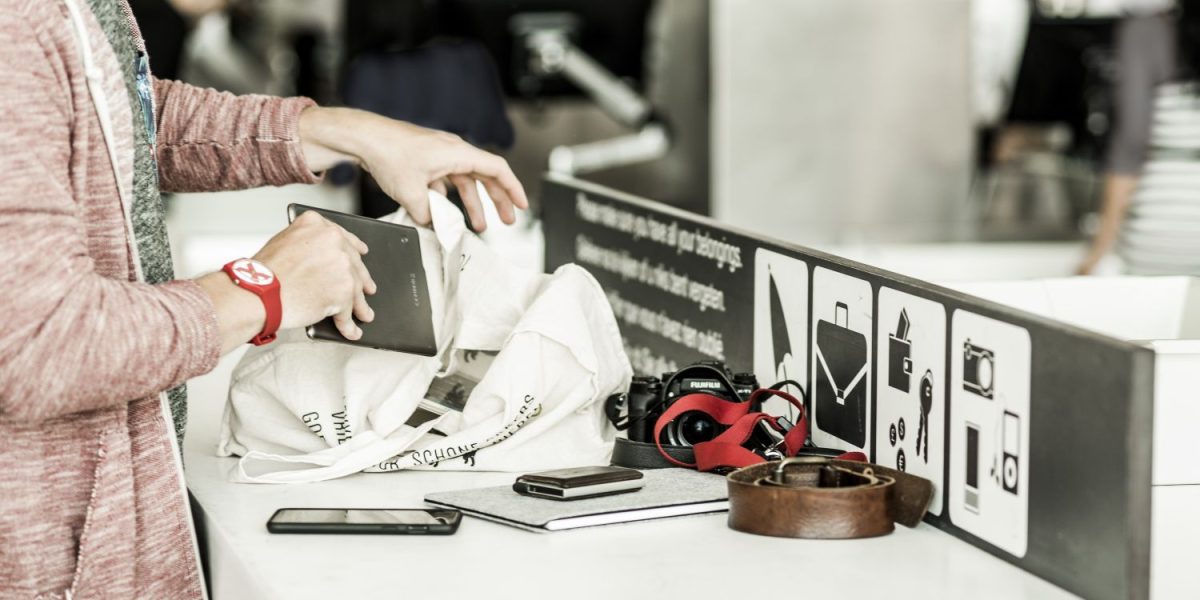
Currently, Brussels Airport operates the familiar setup: metal detectors for you, X-ray scanners for your stuff. Electronics come out. Liquids must stay under 100ml, with a one-litre total allowance per bag. It's theatre designed to feel safe, but it's also theatre designed to move massive crowds through narrow corridors.
The new system flips the script. With CT scanners in place, the two-litre liquid limit kicks in under European regulations. That means you could bring larger bottles of cologne, moisturizer, or sunscreen without the usual paranoia. Electronics stay in your bag. The whole process speeds up because security staff spend less time asking you to reorganise your carry-on.
"The safety of our passengers and staff is always our priority," said Arnaud Feist, CEO of Brussels Airport. "This technology keeps us safe while making the experience less tedious." Translation: you get convenience without sacrificing actual security.
The Timeline
This isn't happening tomorrow. Construction begins next year, with the first scanners going live in 2028. By summer 2029, all 19 departure screening lanes should be equipped with the new gear. Transfer passenger areas will get upgraded later.
Brussels is taking a smart, phased approach. A temporary screening platform with the new scanners will launch in 2027, so the airport doesn't cripple its current capacity while building upgrades. The permanent security area gets renovated gradually alongside this temporary setup. It's the opposite of chaos.
A Word of Caution for Frequent Flyers
Before you start packing two-litre bottles of everything, remember this: international airport rules remain patchy across Europe. London and other EU airports have already jumped to the two-litre limit, but not everywhere has caught up. If you're connecting through an older airport in your journey, you might still face the 100ml rule.
That's the messy reality of travel right now. Terminal upgrades and regulatory changes happen at wildly different speeds depending on which country you're in. Your Brussels flight might flow smoothly through new scanners, but your next leg through another airport could feel like stepping back in time.
Part of a Bigger Vision
This security overhaul isn't random. It's part of Brussels Airport's Hub 3.0 development plan, a broader push to modernise facilities and stay competitive as European air travel keeps growing. Brussels has been quietly transforming itself over the past few years, and the airport is no exception.
Feist also mentioned that the new scanners will increase overall screening capacity. That's the kind of infrastructure thinking that matters when an airport wants to handle more passengers without turning security into a bottleneck. Better technology isn't just about convenience, it's about scale.
For now, keep packing like it's 2024. But bookmark this for future reference. By the late summer of 2029, one of Europe's major hubs will have made a genuine shift in how travelers move through security. It's not revolutionary, but it's the kind of practical improvement that genuinely improves the flying experience.