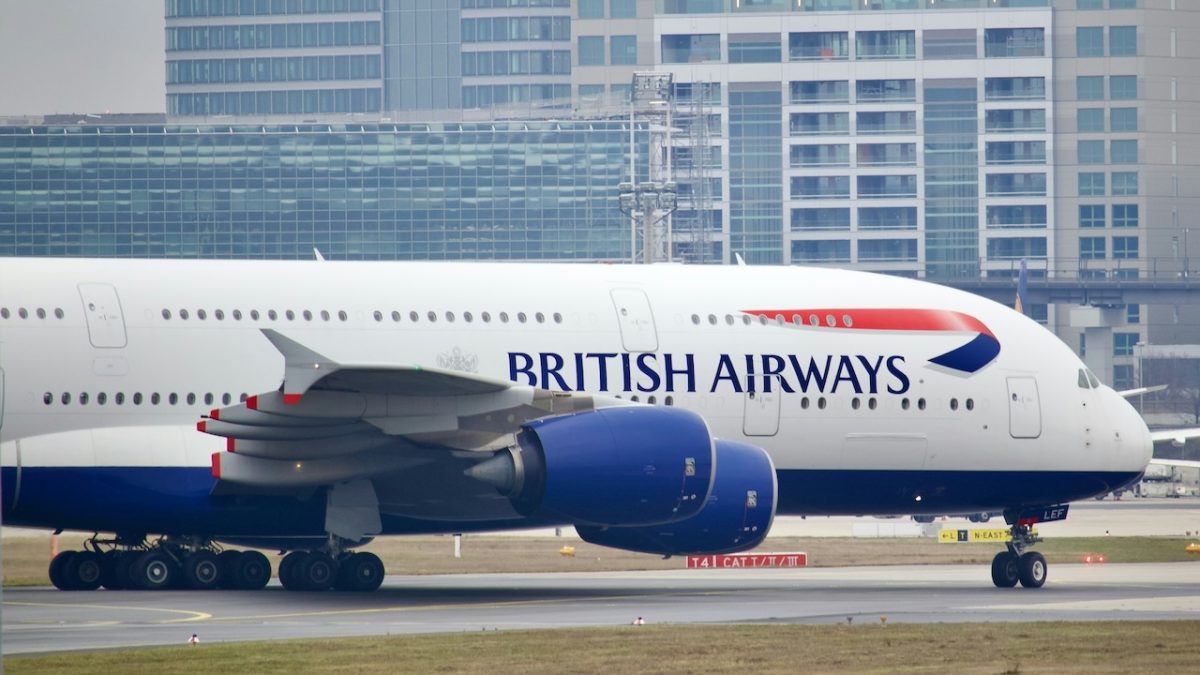
British Airways just made a calculated bet on the world's sunnier destinations. The London-based carrier unveiled a series of route expansions that paint a clear picture of where leisure travelers are headed when the Middle East falls off their radar.
The flagship routes tell the story. Starting January 9, 2027, BA will operate daily flights from London Heathrow to Melbourne, touching down in Kuala Lumpur along the way. Return fares start at £1,130 (including taxes and fees), and the timing is no accident: the Australian Open and Melbourne Grand Prix both kick off around that launch window. Colombo gets three weekly flights from Gatwick beginning October 23, 2026, with direct service and prices from £620. These aren't experimental routes or seasonal experiments. BA is betting real money and real metal on the idea that travelers want to escape to the Indian Ocean and the Australian summer.
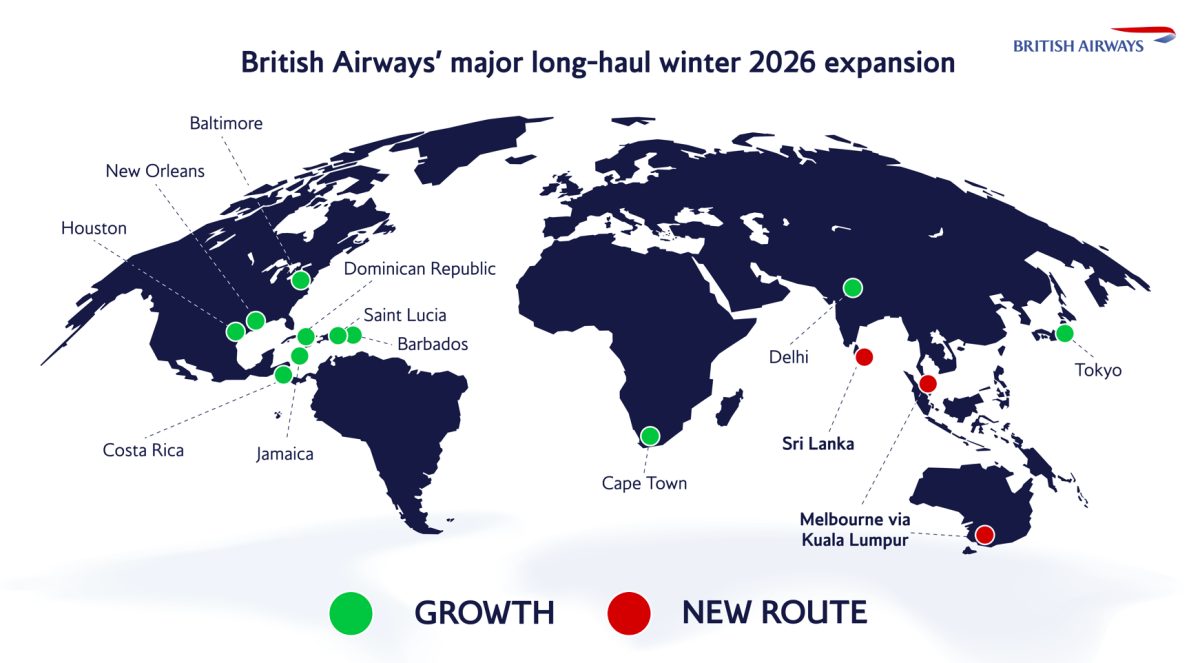
The expansion amounts to a nine percent boost in BA's winter schedule compared to last year. Beyond the headline destinations, the airline is bulking up capacity on routes that already work: Barbados, Cape Town, Costa Rica, the Dominican Republic, Jamaica, St Lucia, and Tokyo all get extra flights. This isn't random. It's a calculated response to what Neil Chernoff, BA's Chief Planning and Strategy Officer, calls "significant investment in our long-haul leisure network."
What's really driving the shift? Geopolitics and customer behavior. Middle East instability has reshaped airline routing across the industry, and BA isn't waiting for the situation to stabilize. The carrier added seven extra flights to Bangkok and Singapore in the last week alone and promises to keep tweaking its schedule as conditions warrant. Even Abu Dhabi gets a daily service from Heathrow starting October 25, though that's clearly a calculated risk rather than a confidence play.
The data backs up the strategy. BA's tour operator arm reports search interest for Caribbean escapes surging: Antigua bookings jumped 63 percent while Gran Canaria saw a 50 percent spike. These aren't random vacation destinations. They're alternatives. They're Plan B when Plan A (the Middle East) isn't viable.
There's also something quietly notable about BA's push into the United States. Despite past passenger anxiety about American travel, the airline is adding four flights per week to New Orleans and making Baltimore a daily stop. Houston gets bumped to 12 weekly services. This suggests BA sees the US appetite as genuinely robust, even as individual traveler concerns about US entry procedures linger.
What does this expansion reveal about the future of travel? Passengers aren't staying home. They're simply reshuffling their maps. The beaches of the Caribbean, the markets of Sri Lanka, and the energy of Australian cities become increasingly attractive when traditional Middle East hubs lose their appeal. BA is essentially following the money and the demand, a reminder that in aviation, network strategy reveals what's actually happening in the world rather than what officials say is happening.
For travelers, this is opportunity. More flights mean more options and typically more competitive pricing as BA fights for market share across these routes. Whether you're chasing tennis tournaments in Melbourne or tropical warmth in the Caribbean, the airline is making it easier (and more direct) to get there.