Picture this: you're planning a perfect evening in the English countryside, ready to grill by a lake or on a coastal bluff. But the UK's growing wildfire emergency is about to reshape how (and where) you cook outdoors. From farmers to firefighters to politicians across party lines, there is now serious momentum behind banning disposable barbecues in England and Wales. And the stakes could not be higher.
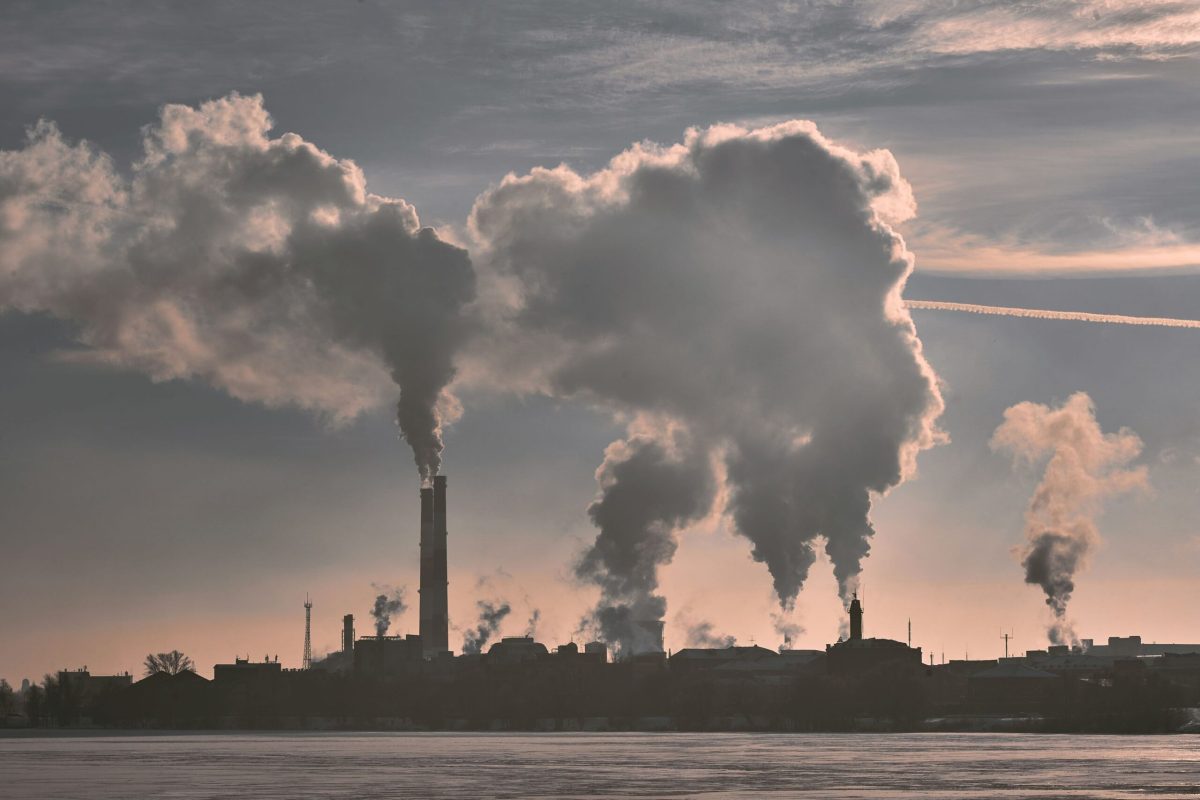
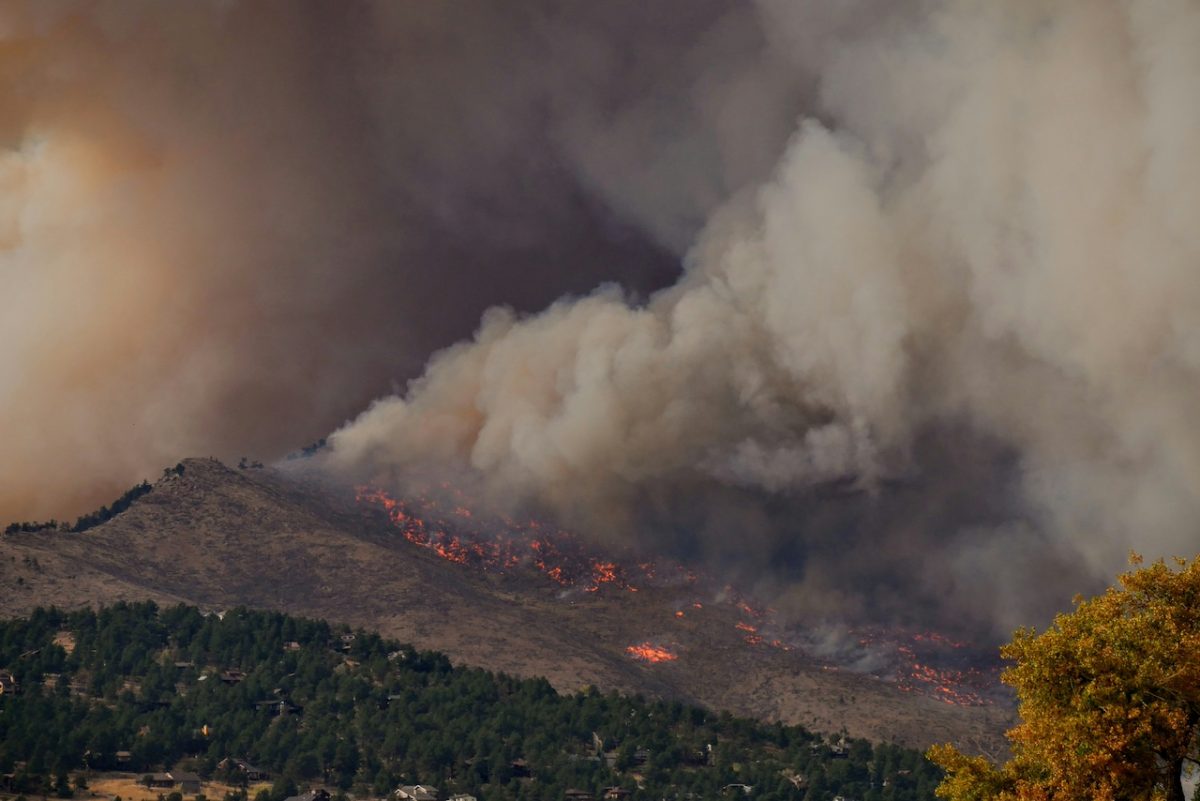
The numbers paint a grim picture. So far this year, Europe has suffered roughly 1,514 wildfires, burning nearly 500,000 hectares of land. The UK specifically faced 393 fire responses from crews in England and Wales during July alone. In 2026, flames have threatened everything from Welsh valleys and Scottish mountains to the coastal region near Suffolk's Sizewell B nuclear facility. Long-term drought conditions across the country have left vegetation parched and ready to ignite at the smallest spark.
This crisis is not abstract for the people who live and work on the land. Paul Tompkins, deputy chief of the National Farmers Union, puts it plainly: "A stray match or single spark, and months of hard work can be wiped out in just minutes. Crops destroyed, harvest ruined, vital machinery damaged, livestock at serious risk." For farmers already squeezed by poor yields and rising costs, a preventable fire could mean financial ruin. Beyond immediate losses, wildfires leave lasting damage to soil health and grassland productivity. Entire farm businesses hang in the balance.
Who Is Taking Action
The push to eliminate disposable barbecues is gaining real traction. Major supermarket chains have started pulling them from shelves: Asda paused sales nationwide, Co-op and Morrison's introduced temporary bans, Sainsbury's removed all single-use models, and Tesco stopped sales entirely. Retailers including Aldi, Lidl, Marks and Spencer, and Waitrose already prohibit them. The National Fire Chiefs Council has issued formal guidance against disposable barbecues, and that recommendation is shaping retail decisions across the country.
Politically, the movement crosses party lines. Liberal Democrats and some Labour MPs are backing the ban, alongside the Country Land and Business Association and landowner groups. MP Jon Pearce from High Peak captured the spirit of the campaign: "This isn't about stopping people enjoying the outdoors. It's about protecting our countryside, supporting our firefighters and preventing avoidable fires before they start."
That said, the government has not yet implemented an outright ban. Smaller retailers, DIY stores, and online sellers continue to stock disposable units. Meanwhile, some landowner groups want to go further: they are calling for the reintroduction of controlled burning practices, which could help manage vegetation that feeds wildfires. These practices have been prohibited in England due to wildlife and carbon emissions laws.
What It Means for Your Travel Plans
If you are visiting England or Wales and dreaming of a seaside barbecue or countryside picnic with a cookout, reality just shifted. Europe's wildfire crisis is reshaping where and how travelers can safely spend their time outdoors. The practical advice from fire chiefs and retailers is straightforward: skip the portable grill. Instead, pack a prepared picnic, grab takeaway from a nearby restaurant, or book a table at a local establishment.
This is not merely a inconvenience. The wildfire crisis is reshaping where travelers can safely go across the region. If you are planning a trip to the Welsh countryside or the English coast, check fire danger forecasts before you travel and stay alert to local guidance. Many councils are moving toward stricter rules that could prohibit barbecues, campfires, and camping stoves entirely.
The silver lining? This moment offers a chance to rediscover travel pleasures that do not involve open flames. Explore England's epic 2,700-mile coastal walk for stretches of stunning shoreline. Pack a gourmet picnic with local cheeses, cured meats, and fresh produce from farmers markets. Dine at village pubs and gastropubs where wood fires are managed by professionals. This shift forces travelers to slow down, eat where locals eat, and discover food traditions tied to place rather than portable equipment.
The disposable barbecue ban reflects a larger reality: travel in an era of climate stress requires flexibility and respect for fragile environments. It is not a punishment. It is an invitation to explore Britain differently and, perhaps, more memorably than you would have otherwise.