If you're planning a summer escape to Spain or France, take a hard look at wildfire forecasts before you book. The numbers are sobering. Research from the World Weather Attribution consortium reveals that carbon emissions have made dangerous drought and wildfire conditions at least 20 times more probable in Spain, while France's risk has simply doubled. This isn't speculation or worst-case modeling. These are the conditions we're living with now.
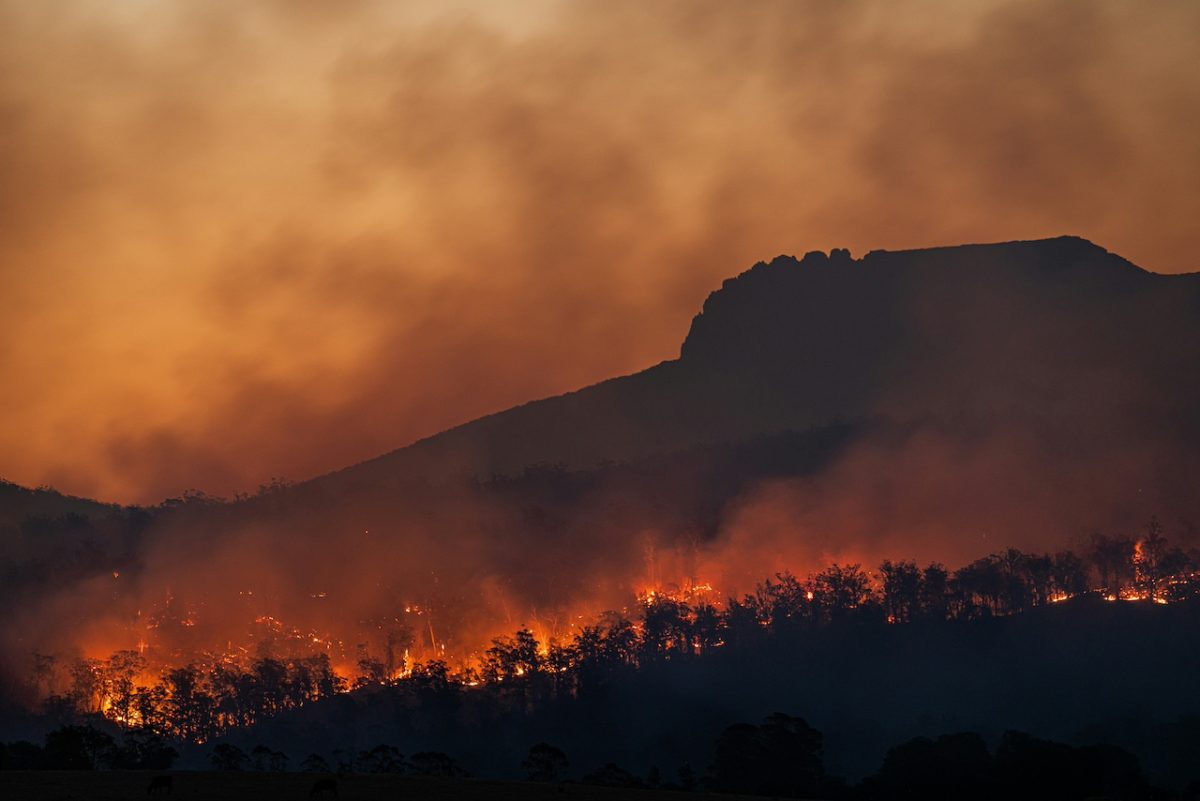
The 2026 fire season has already shattered records. By late July, over 434,000 hectares had burned across Europe, obliterating the previous annual record of 346,836 hectares set just the year before. More than 1,400 fires had been detected in that period alone, compared to an average of 632 over the same timeframe. The Gironde region of France has experienced the second-largest wildfire since World War II, consuming approximately 40,000 hectares.
A Climate Feedback Loop Nobody Planned For
Here's where things get genuinely unsettling. Europe's wetter winters and springs, themselves a product of global warming, actually promote lush vegetation growth. Come summer, when heatwaves intensify, all that extra vegetation dries out and becomes a tinderbox waiting for ignition. It's a dark irony: the rain that sustains tourism infrastructure also fuels the fires that threaten it.
Julie Arrighi, programmes director at Red Cross Red Crescent Climate Centre, put it bluntly: "What we are seeing now in Spain and France goes well beyond what we would expect from past events." Dr Clair Barnes from Imperial College London, a member of the research team, called the findings "extremely scary," especially given that these massive fires are occurring early in the season with additional heatwaves on the horizon.
The Hidden Cost Nobody Talks About
Beyond immediate evacuation orders (hundreds of thousands of residents have been displaced), the fires are releasing environmental toxins that travel far. These 2026 blazes have already ejected 17.98 million tonnes of CO2 and particulate pollution into the atmosphere. Dr Augustin Colette from the French National Institute for Industrial Environment and Risks found that smoke raised particulate pollution levels to 20 times above "fair air quality" standards, with hazardous conditions detectable up to 400 kilometers away from active fires.
The human toll extends beyond visible flames. An estimated 20,000 excess deaths occurred across Europe during the June heatwave alone. Research suggests roughly 1.5 million people annually have their lifespans shortened by wildfire smoke exposure. For travelers with respiratory conditions, asthma, or heart disease, these numbers should shape your itinerary decisions.
What This Means For Your Travel Plans
If Spain is on your bucket list, you're not alone. Recent sporting events have already triggered massive travel surges from overseas, and tourism infrastructure continues expanding. Yet late summer visits to inland regions like Castilla y Leon, Galicia, or parts of Andalusia now carry genuine air quality and safety risks worth reconsidering.
Consider shifting your visit to spring or autumn when fire danger drops significantly. If summer travel is fixed, focus on coastal areas and northern regions with lower wildfire exposure. Check real-time air quality indexes before you go, and avoid booking accommodations in heavily forested zones during peak fire season. Travel insurance that covers climate-related cancellations has become practically essential for European summer trips.
What's happening in Spain and France isn't a temporary weather blip or an outlier year. It's the new baseline, shaped by decades of carbon accumulation in the atmosphere. For travelers seeking European adventures, that reality demands different planning altogether.