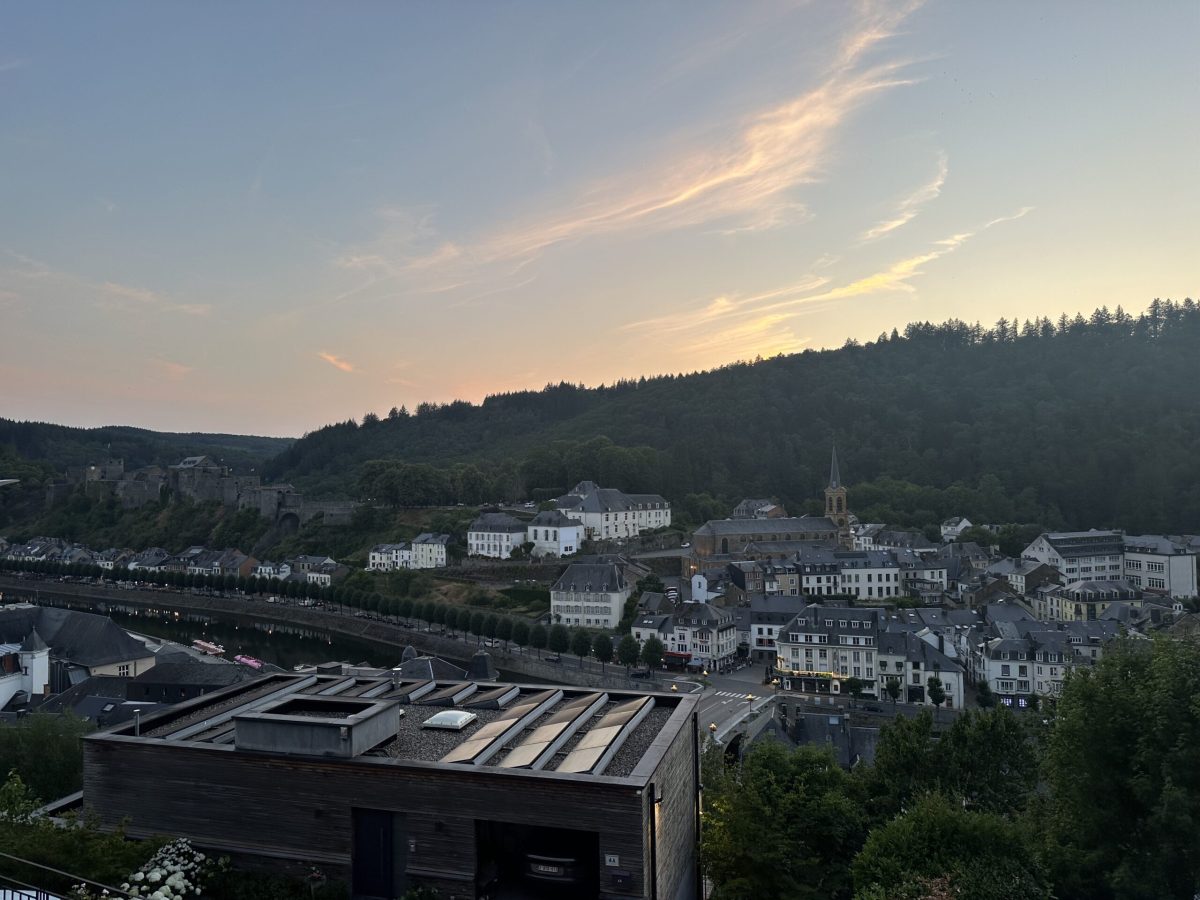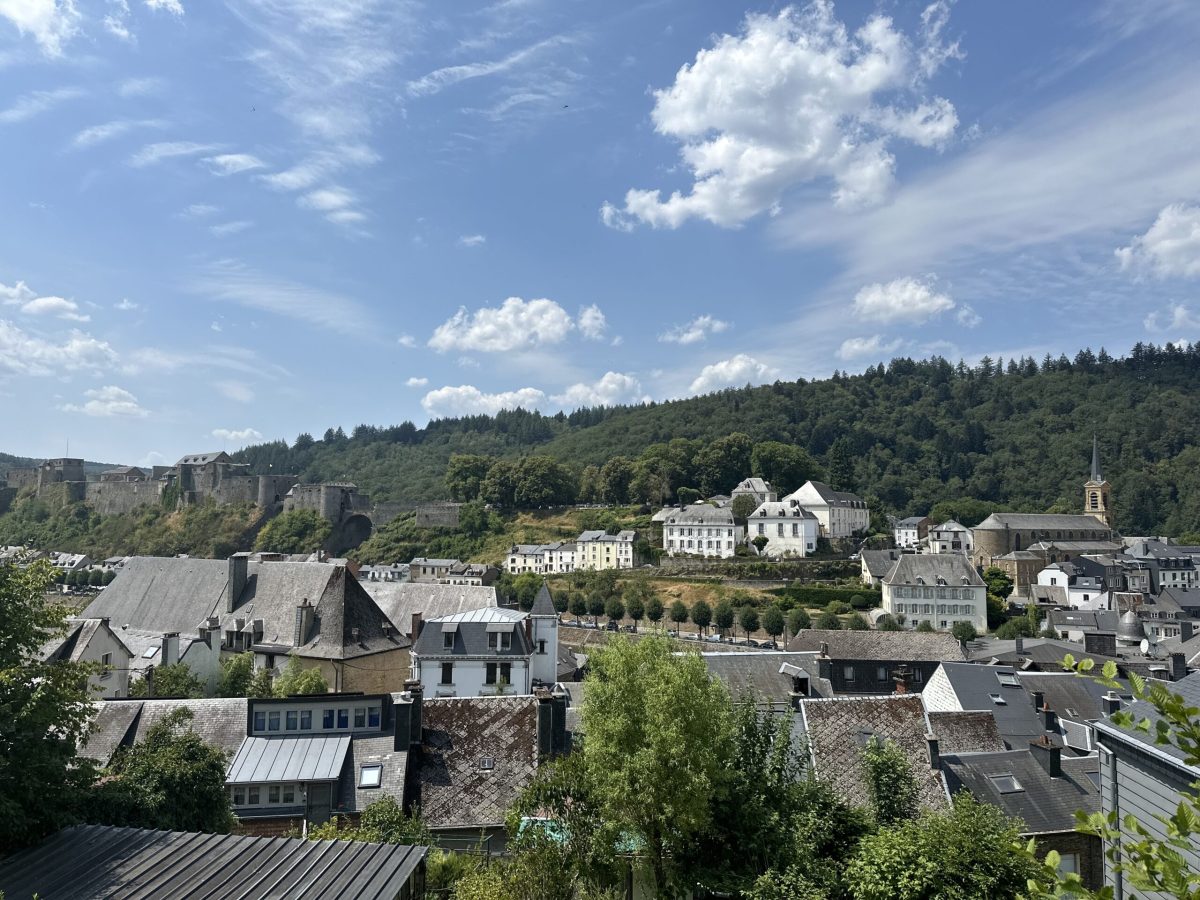
When Godfrey of Bouillon needed funds to join the First Crusade, he did what any ambitious medieval nobleman would do: he pawned his castle. That 1096 transaction launched Bouillon into history books and left behind one of Belgium's most haunting fortresses, perched on three rocky peaks above the River Semois. Today, the town wraps itself around the water's curve like it's been waiting a thousand years for curious travelers to arrive.
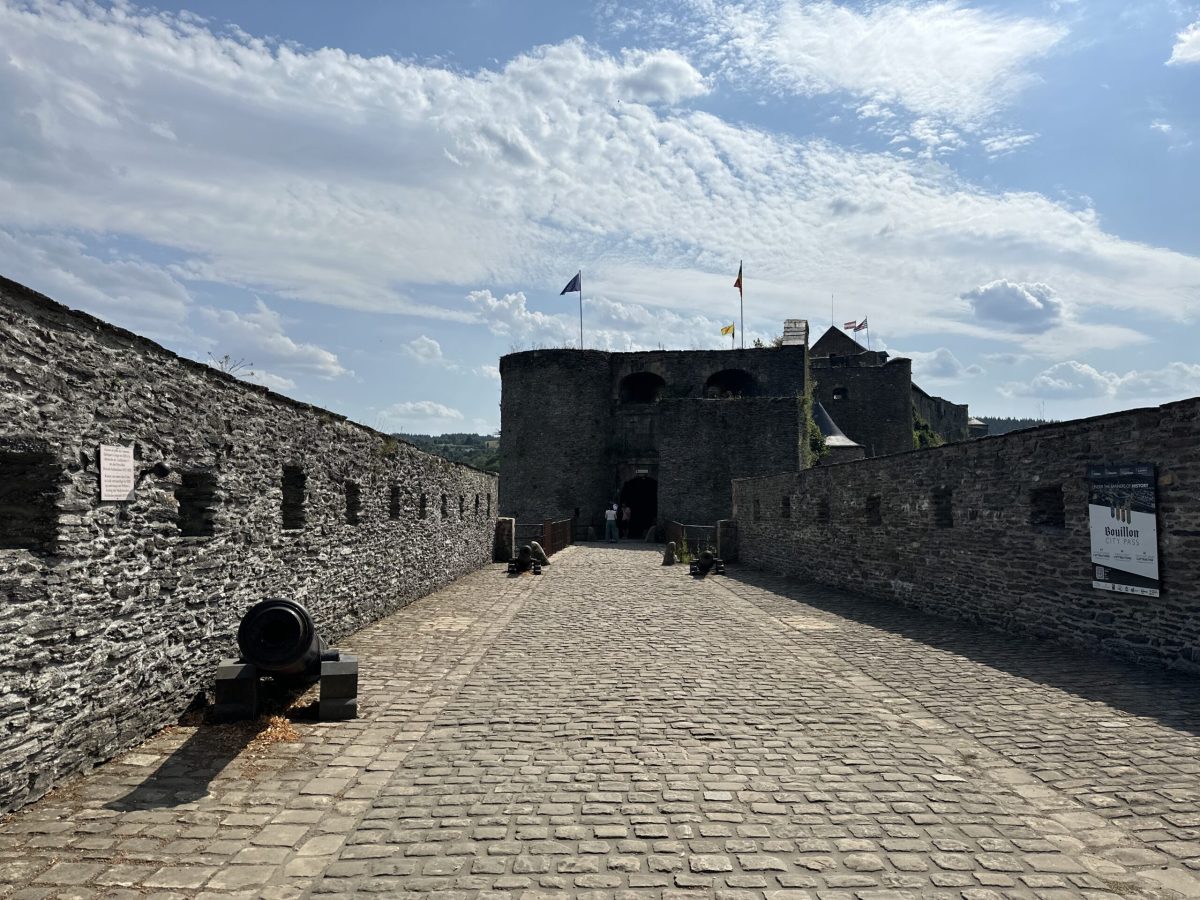
Bouillon Castle itself dominates any visit, and rightfully so. The fortress's earliest documented mention appears in 988, though fortifications here stretch back further into the murky Gallo-Roman past. What you see today is a remarkable hybrid: medieval bones reinforced by Vauban, the legendary military engineer who worked for Louis XIV, creating a structure that looks simultaneously ancient and strategically brilliant. The castle wasn't just built to look imposing. Its architects designed it to endure. A 165-meter well drops below the river level itself, guaranteeing fresh water during brutal sieges. A giant wooden wheel once let soldiers draw water by simply walking inside it, a mechanical solution that wouldn't look out of place in a steampunk novel.
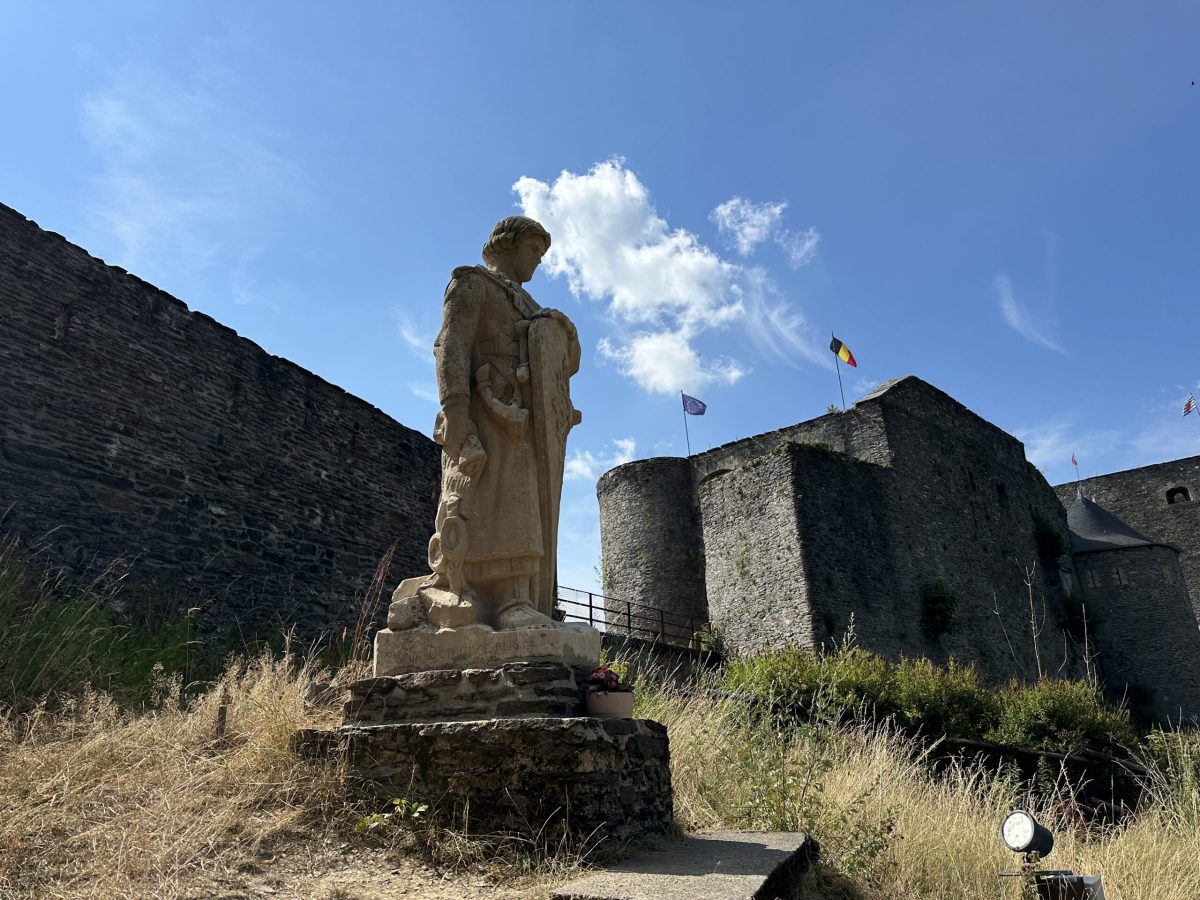
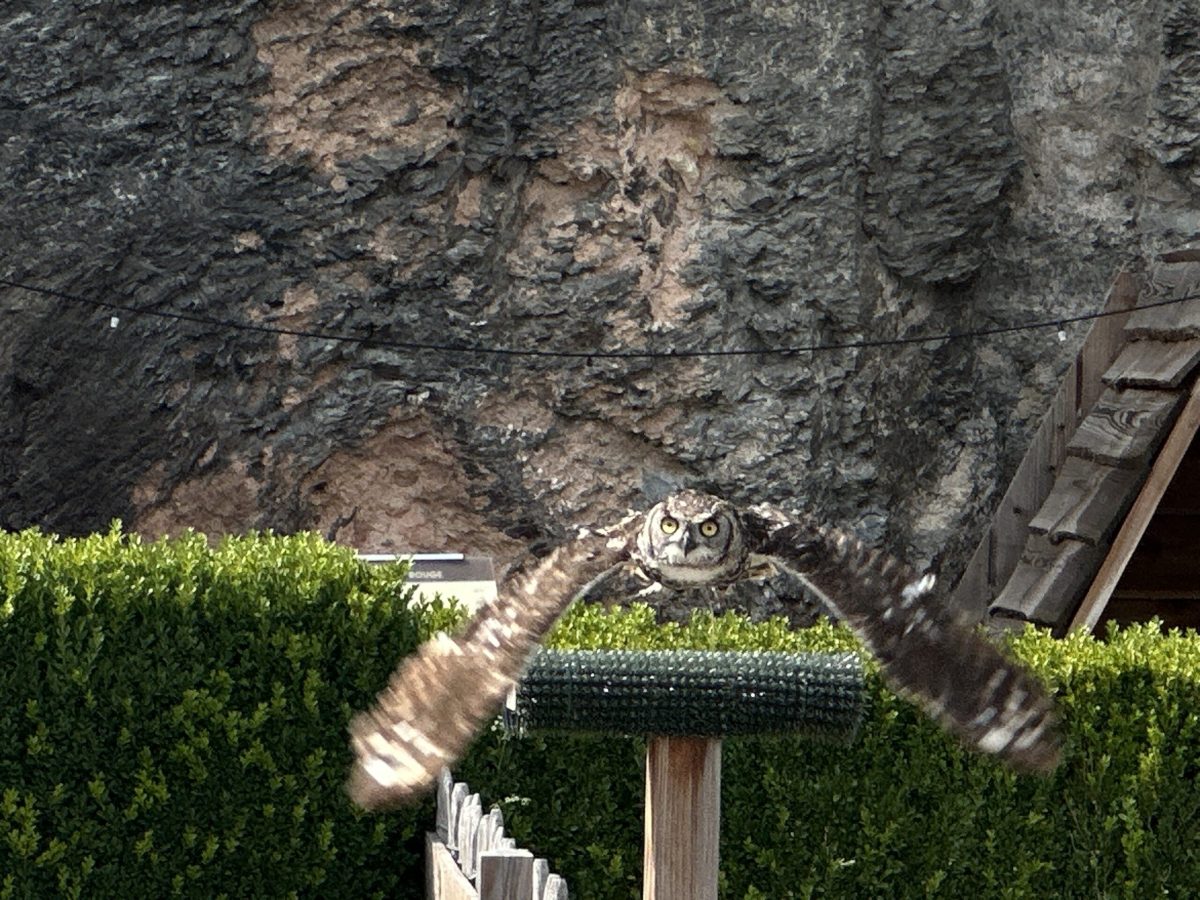
Inside, the experience mirrors a choose-your-own-adventure book. Underground galleries twist beneath your feet. Towers offer commanding views over the valley. The 13th-century Primitive Room survives as one of the castle's oldest sections. What was once an indoor stable hosting Godfrey's horses now displays historical artifacts. Most haunting is the Scriptura exhibition, where 19th-century military hospital patients scratched their names and messages into stone, turning the upper floors into an accidental archive of forgotten lives. If you visit during falcon season, birds of prey swoop across medieval ramparts, and evening torchlit tours transform the fortress into something out of a gothic novel.
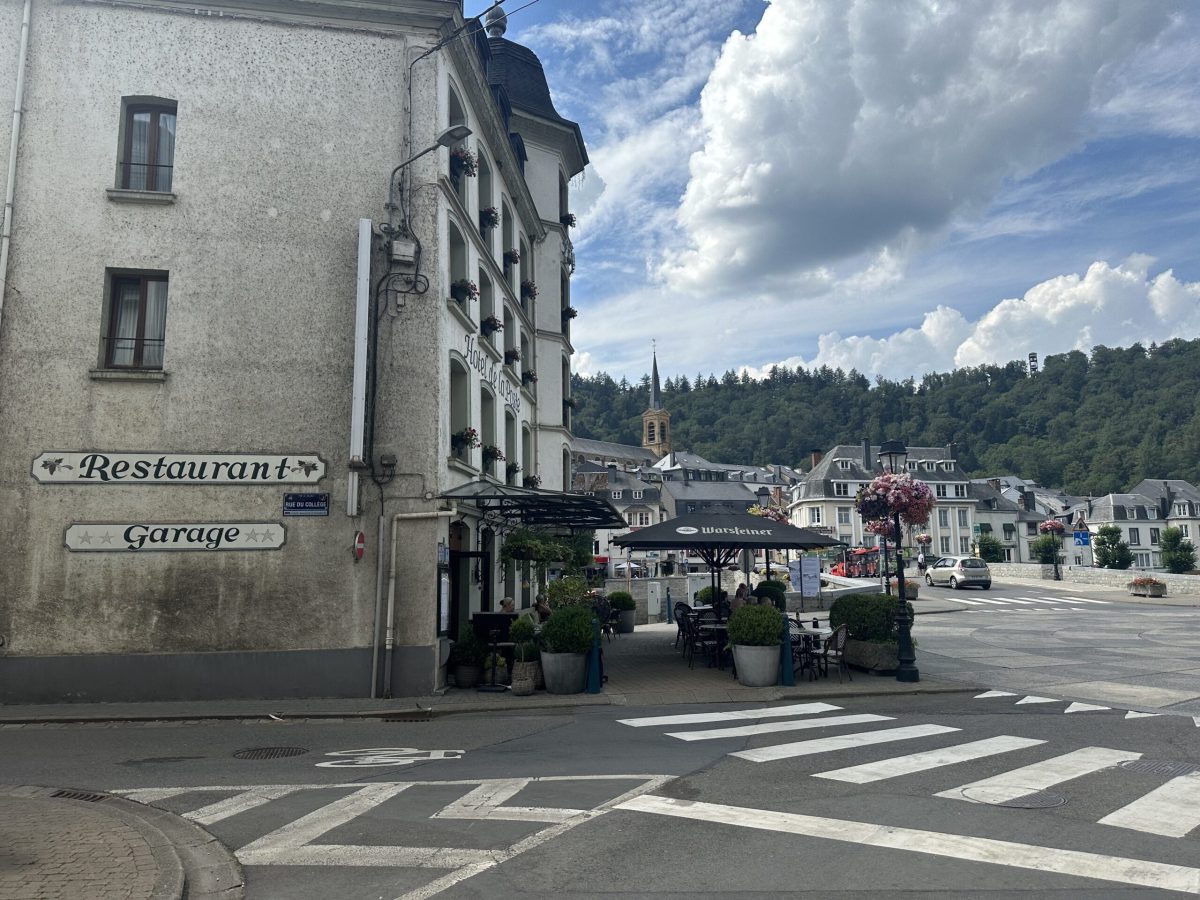
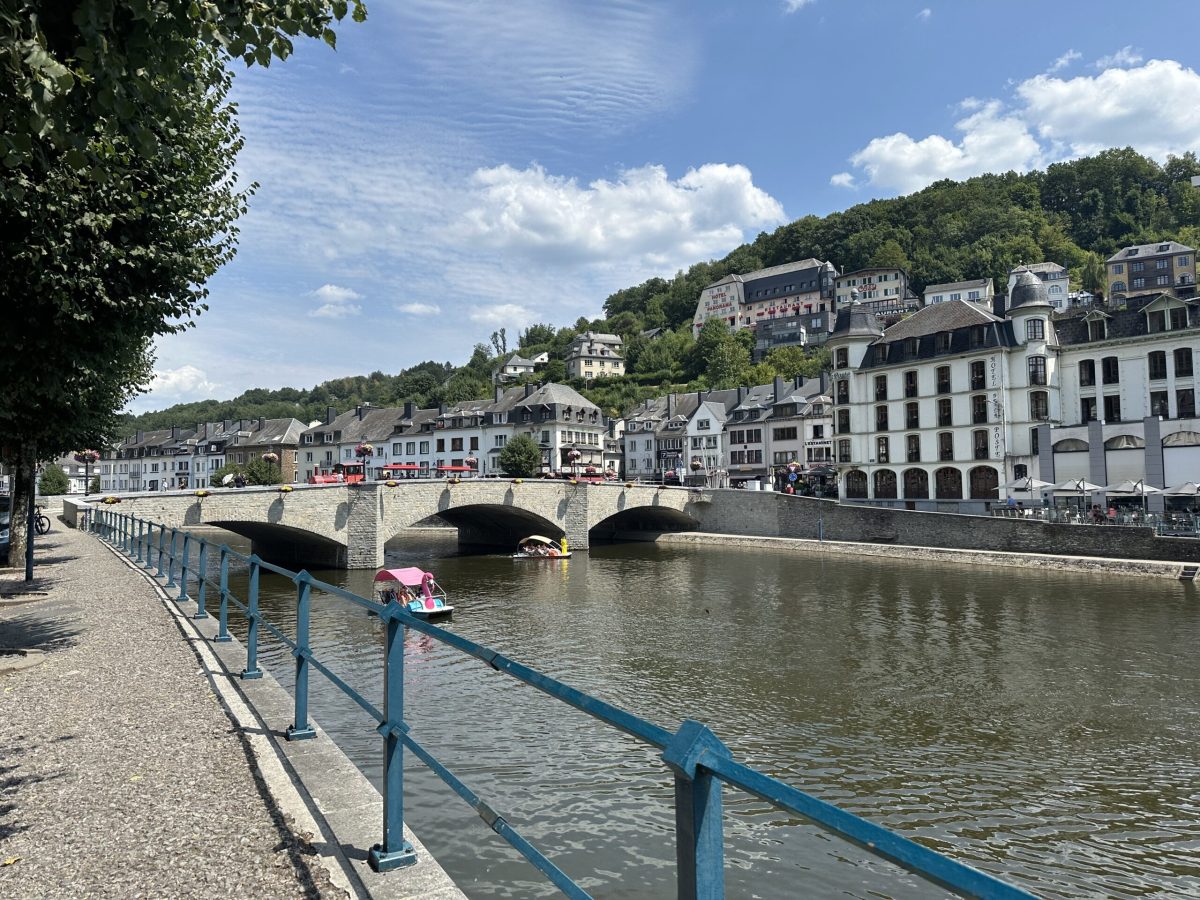
But Bouillon isn't a one-attraction town playing tourist trap. Wander the historic streets and you'll discover a heritage walking route threading past more than 20 listed buildings and monuments. The Convent of the Sépulcrines now houses the Archeoscope. Sections of 17th-century defensive walls still stand, including three bastions that once formed the town's outer shield. Stone cafes and bridges guide you naturally toward the castle, as if the town layout was designed specifically to build anticipation.
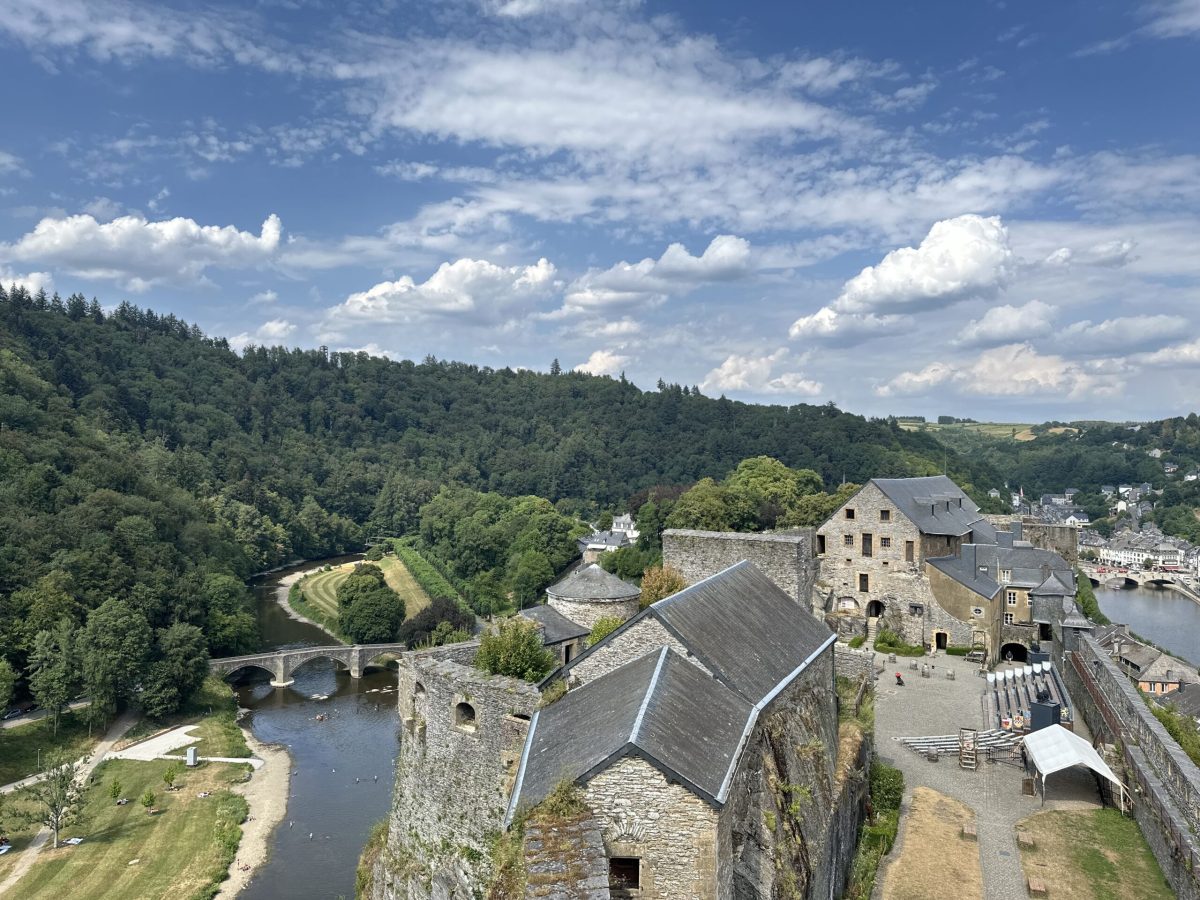
Leave the stone streets and Bouillon reveals itself as a serious base for Ardennes exploration. Wallonia's hidden corners will make you rethink Belgium, and Bouillon proves this immediately. The Promenade de la Sente aux Geais stretches 3.5 kilometers through beech and oak forests, following an abandoned tram route before opening onto panoramic overlooks of the Semois and town center. More ambitious hikers should tackle the 7-kilometer Walk by the Castle, which hugs the river while revealing new perspectives of the fortress from every angle. The trail is moderate and well-marked with red rectangles, starting from Poulies Bridge on Boulevard Vauban.
Food here tastes like place. Bouillonnaise beer, brewed locally, pairs nicely with L'Oeillet du Château, a hard goat cheese matured in the castle's actual cellars. Le Croisé is a regional biscuit created in 1996 to commemorate the 900th anniversary of the crusade, less sugary than its speculoos cousins and stamped with Godfrey's face. Fresh Semois trout pulled from the river offers another regional specialty worth seeking out.
The Semois itself invites kayaking and canoeing, transforming the view from water level. Seeing the castle and town reflected in the river, approached from the riverbanks instead of street level, offers a completely different sense of place. The combination of medieval heritage and genuine outdoor adventure explains why Bouillon draws hikers, cyclists, kayakers, and history obsessives in roughly equal numbers. This isn't a town with one compelling reason to visit. It's a town with several, stacked on top of each other like the layers of its fortress walls.
Godfrey never returned from Jerusalem, where he died in 1100 and became a legend. His younger brother Baldwin took his place and became the first crowned King of Jerusalem, all because of that pawned fortress. Centuries later, Bouillon's castle still commands attention from the same rocky peaks, still guards the same river bend, still reminds visitors that some places refuse to fade into obscurity.