Boeing's workforce is bracing for a bumpy ride. The aerospace giant has confirmed it will cut around 2,500 jobs, or five percent of its commercial airplane division, starting in December 2026. But union leaders say that number could climb, and the company isn't ruling out more layoffs down the line.
In a conversation with Reuters, Bryan Corliss, spokesperson for the Society of Professional Engineering Employees in Aerospace (SPEEA), asked Boeing management whether this round of cuts would be the last. The answer was unsettling: they didn't know. That uncertainty has rippled through the industry, raising questions about Boeing's ability to deliver on its massive order backlog and what that means for airlines and passengers waiting on new planes.
SPEEA, which represents about 17,000 Boeing employees, ratified a new four-year labor agreement in early October with built-in pay increases. Just over a month later, the layoff announcement landed. Some see it as retaliation, though Boeing denies that. A company spokesperson said, "We continue to work through an established process to ensure our workforce can support our customer commitments. We are committed to treating everyone with dignity and respect."
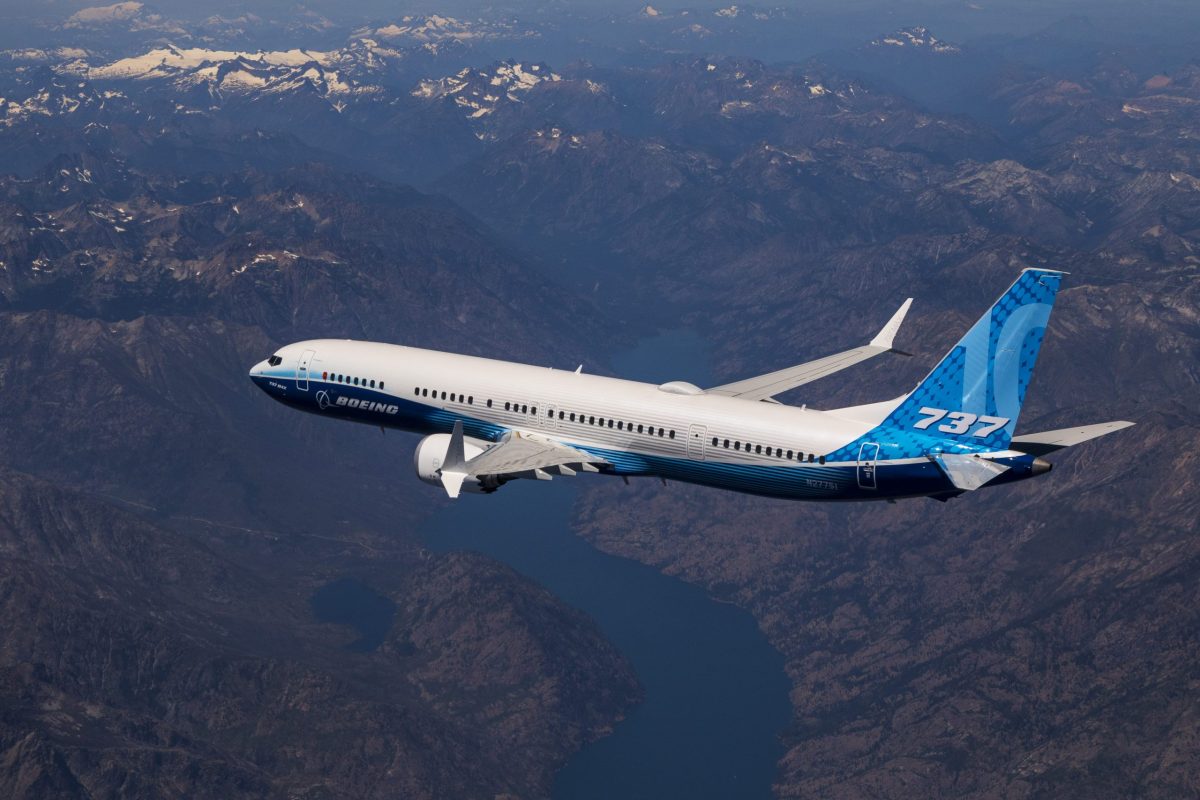
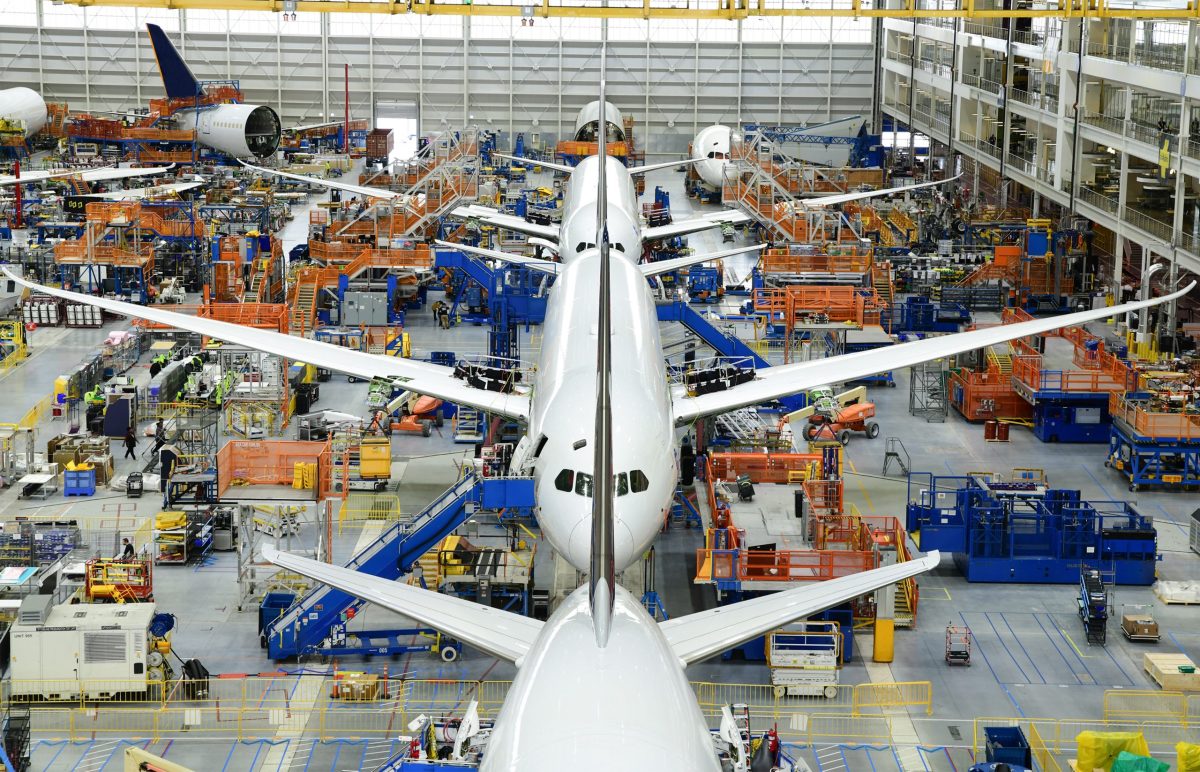
That phrase, "customer commitments," is corporate code for Boeing's ongoing production struggles. The company has been trying to hit a target of 47 planes per month but keeps falling short due to wing production issues. Chief Executive Kelly Ortberg admitted as much to investors, and Chief Financial Officer Jay Malave projected the company won't meet its goal of manufacturing 500 737s this year. With monthly production targets now revised down to 42, the math is simple: fewer planes means fewer hands needed on deck.
SPEEA tried to clarify the situation for its members on November 19, noting that employment at all Boeing Commercial Airplanes sites is under review. But these won't be across-the-board cuts. Instead, they'll be targeted at specific work statements that are ending or can be ended. The union also confirmed there will be no voluntary layoffs or buy-outs, leaving employees with little control over their fate.
For travelers, this could mean longer waits for new aircraft and potential schedule adjustments as airlines juggle their fleets. Boeing's struggles are already affecting carriers like Delta, which faced operational meltdowns during peak travel times. And it's not just Boeing. Lufthansa recently announced 1,000 job cuts at Frankfurt and Munich airports, adding to a broader wave of aviation workforce reductions. The ripple effects are being felt across the industry, from Lufthansa's own labor battles to the push for more efficient aircraft.
While Boeing insists it's treating employees with dignity, the lack of clarity is hard to swallow. The union's warning that more cuts could follow adds another layer of uncertainty to an already shaky situation. For now, the message is clear: Boeing's workforce is in for a turbulent period, and the fallout could extend far beyond the factory floor.
As the industry watches closely, one thing is certain: the path to recovery is anything but smooth. With production targets slipping and labor tensions simmering, the skies ahead look cloudier than ever. For passengers, the best advice is to stay flexible and keep an eye on airline schedules, as delays and cancellations may become more common in the coming months.