Lufthansa is tightening its belt again, and this time the cuts land at its two busiest German hubs. The airline confirmed on Friday that it will shed 1,000 jobs in Frankfurt and Munich, a move that affects about 2.5 percent of its 40,000-strong workforce. The announcement, shared in an internal letter and picked up by German news agency dpa, lands right in the middle of a heated pay dispute with pilots and flight attendants.
Unions were quick to cry foul. Vereinigung Cockpit, the pilot and flight engineer union, accused Lufthansa of deliberately creating "uncertainty" to "put pressure on employees" as negotiations drag on. The airline, for its part, frames the layoffs as part of ongoing cost-saving measures. But the timing feels pointed, and the union isn't buying it.
This latest round of cuts comes on top of a previously announced plan to eliminate 4,000 administrative positions across the Lufthansa Group by 2030. Whether these 1,000 jobs are part of that bigger number or an addition to it remains unclear. What is clear is that Lufthansa Airlines, the group's main brand, is struggling financially. Management's letter cites an operating loss of €180 million for the first three quarters of 2026, which breaks down to about €20 million lost every month. They blame the war in the Middle East, soaring fuel costs, nine days of strikes, and what they call "already very high costs."
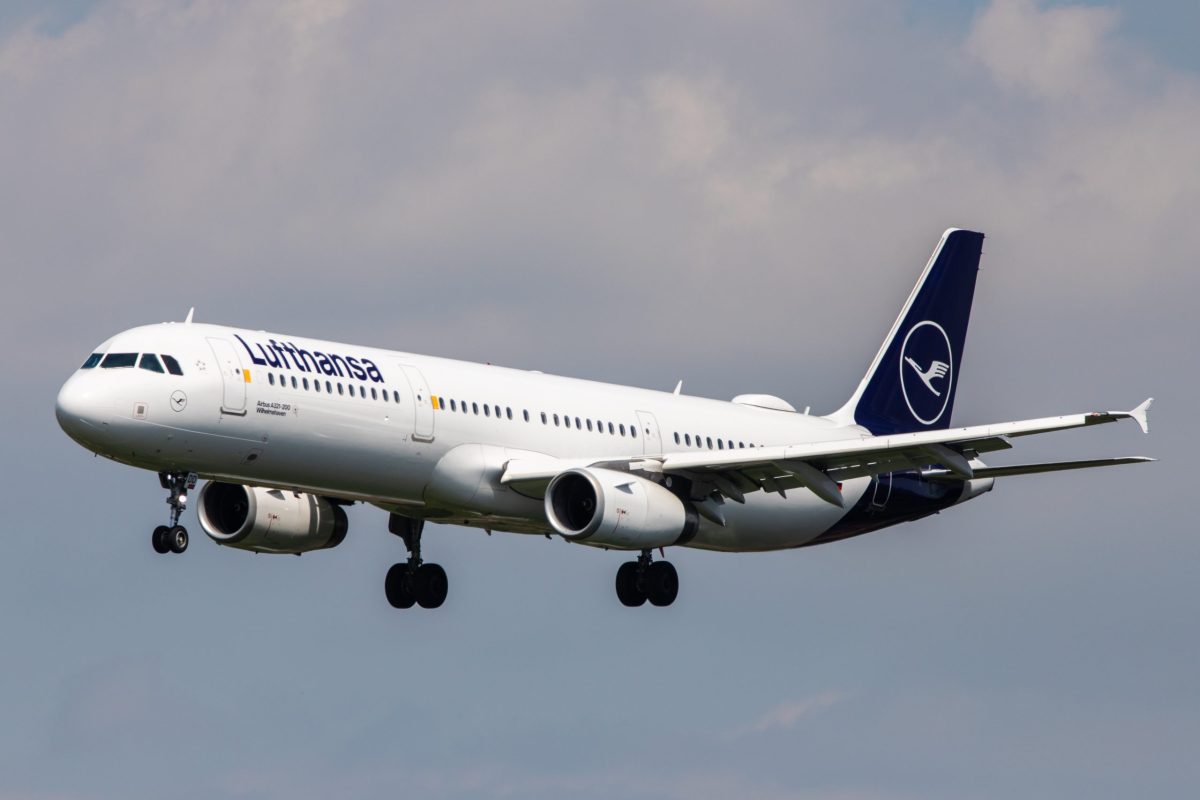
Fuel alone is expected to cost €2 billion more this year than last. That's a heavy load for any carrier. But here's the twist: the wider Lufthansa Group, which includes Austrian, Swiss, and Brussels Airlines, is actually doing quite well. France24 reports that the group posted a 30 percent increase in profits for the third quarter of 2026, helped by strong demand for premium seats on long-haul routes. A 2026 McKinsey report found that premium cabins can generate nearly as much revenue as economy while taking up far less space. That's why Lufthansa is shifting its strategy toward fewer short-haul and medium-haul flights, and swapping its Airbus A320s for smaller A220s.
Meanwhile, the group is in the middle of buying a 49.9 percent stake in TAP Air Portugal, and it announced 10 new routes in October. So the picture is mixed: the parent company is investing and growing, while its flagship airline is cutting jobs and shrinking capacity. That contrast hasn't gone unnoticed by labor representatives.
For travelers, the practical takeaway is that Lufthansa's short-haul network will likely shrink, especially on routes from Frankfurt and Munich. If you're planning to fly within Europe, you might see fewer options or smaller planes. The airline's focus on premium long-haul means business class could get more attention, while economy on short hops might feel more basic. And if you're a frequent flyer, keep an eye on your loyalty status, as route changes could affect your earning potential.
The group's overall financial health is decent, but the nine-month net profit is still down 35 percent. Earlier in November, Lufthansa trimmed its full-year operating profit forecast to between €1.7 billion and €2 billion, down from a previous high of €2.2 billion. That's a significant downgrade, and it explains why management is looking for savings wherever they can find them.
Still, the union's accusation that the job cuts are a negotiating tactic is hard to ignore. In the middle of a pay dispute, announcing layoffs can be a way to soften resistance. Whether that's the intent here, only Lufthansa's leadership knows. But the timing is certainly convenient.
If you're curious about how other airlines are handling similar pressures, check out our story on Emirates winning the world's best airline crown while European carriers struggle. And for a look at how airports are adapting, see what travelers want most. For those flying with Brussels Airlines, part of the Lufthansa Group, you might enjoy the new free Starlink Wi-Fi that's now available on board.
As the dispute continues, passengers should expect possible disruptions. Strike action could resume at any time, so if you have bookings on Lufthansa, it's wise to stay flexible and check your flight status regularly. The airline's cost-cutting measures are far from over, and the coming months will show whether this is a temporary squeeze or a long-term shift in how Lufthansa operates.