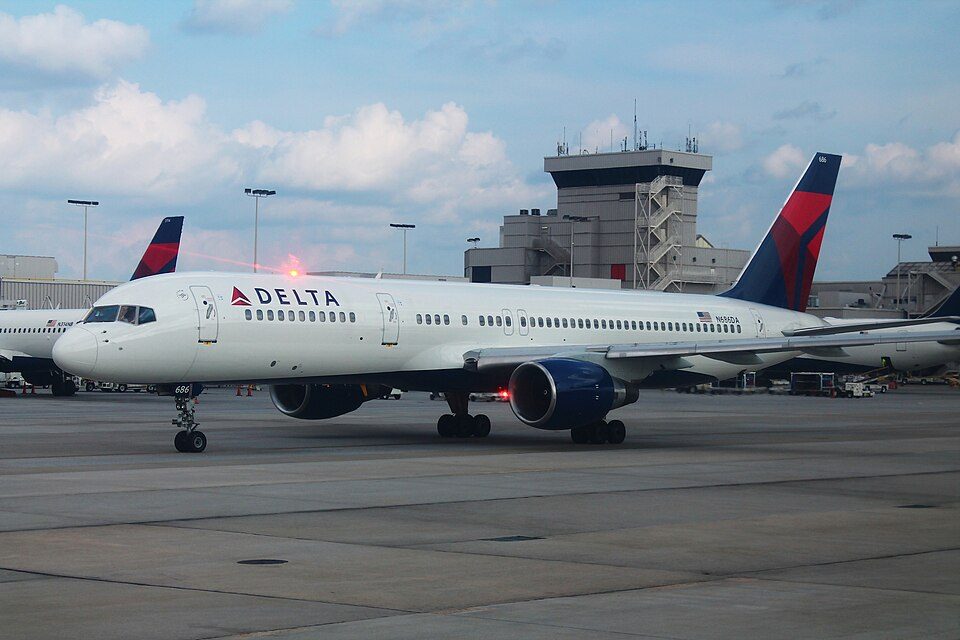
The Thanksgiving travel rush was supposed to be a time of turkey, family, and maybe a little airport chaos. But this year, Delta Air Lines turned chaos into an art form. On the morning of November 22, 2026, a glitch in the airline's weight and balance automation system at Hartsfield-Jackson Atlanta International Airport forced the FAA to ground all inbound flights. The result was a ripple effect that delayed over 1,100 flights and canceled 36 by mid-afternoon, with more than half of Delta's entire operation thrown off schedule by evening.
The problem wasn't with air traffic control or weather, at least not initially. Delta's automated system, which calculates how much weight each plane can safely carry and helps pilots set takeoff speeds, simply stopped working. Without it, planes couldn't be cleared for departure. The FAA lifted the ground stop by 11:26 am ET, but the damage was done. By 9:30 pm, FlightAware data showed over half of Delta's flights delayed and 6% canceled, leaving thousands of travelers scrambling for new connections or a place to sleep.
Bad Weather Made It Worse
If you were flying into New York or anywhere in the Northeast, you got a double dose of misery. Poor weather compounded the Atlanta mess, creating a perfect storm of delays and cancellations. One traveler at LaGuardia tweeted a photo of their plane sitting on the tarmac, captioning it with a plea: "Let's hope this isn't another one of those days." It was.
This wasn't the first hiccup of the month. The FAA's air traffic control system suffered an outage on November 13, and United Airlines had its own weight calculation issue just three days later. For travelers already nervous about holiday reliability, this latest failure felt like a bad omen.
What This Means for Thanksgiving Travel
The timing couldn't be worse. The American Automobile Association (AAA) had already predicted a slight dip in Thanksgiving travel this year, the first decline in three years. They forecast nearly six million people would fly between November 24 and 30, about 12,000 fewer than last year. The overall prediction was for 81.5 million people to travel at least 50 miles, a drop of less than 0.15%, blamed on higher fuel and ticket prices tied to the Middle East conflict and the Strait of Hormuz blockade.
AAA's vice president, Stacey Barber, tried to put a positive spin on it, saying travelers "won't notice much of a difference." But after this week's disruptions, that optimism feels shaky. Whether the AAA will need to revise its numbers remains to be seen, but one thing is clear: the reliability of air travel is under strain.
For those still planning to fly, the practical takeaway is simple. Check your flight status constantly, arrive early, and have a backup plan. If you're flexible, consider flying on less busy days or booking direct flights to avoid connection risks. And if you're driving instead, you might be in luck. Thanksgiving road travel is expected to stay packed, but at least you control your own schedule.
Delta says it's working to fix the automation issue, but the airline hasn't said when full normalcy will return. For now, travelers are left to navigate the aftermath. If you're one of the unlucky ones stuck in Atlanta, grab a coffee, find a quiet corner, and remember: this too shall pass. Eventually.
In the meantime, if you're dreaming of smoother skies, check out how Brussels Airlines just introduced free Starlink Wi-Fi to keep passengers entertained during delays. Or consider how Singapore Airlines is spending billions to redefine comfort, a stark contrast to the chaos at Delta's hub.