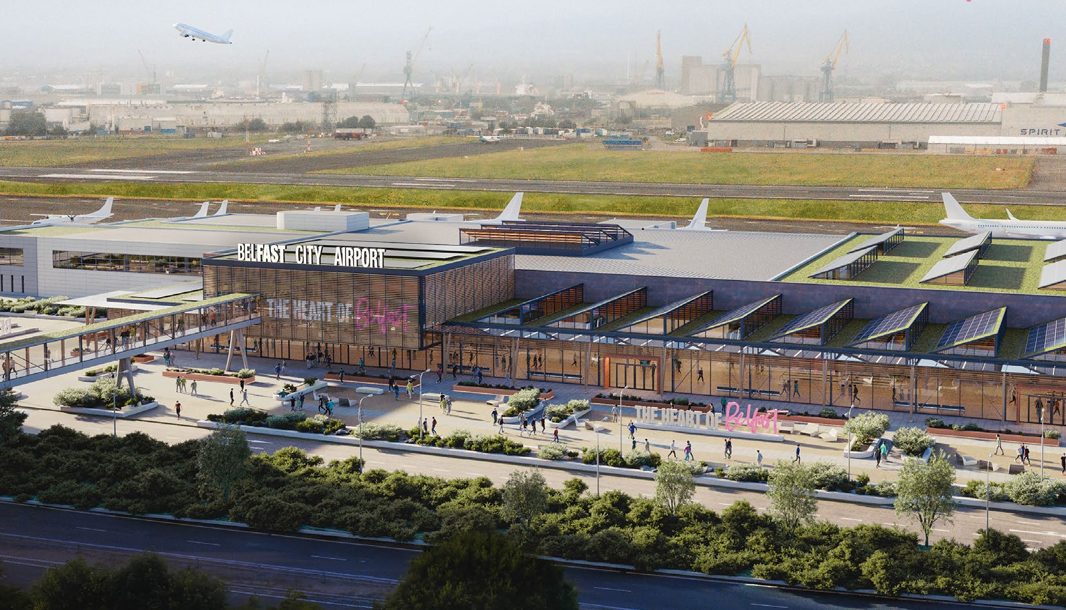
Belfast City Airport is about to get serious. Planners have just submitted the first phase of a sprawling £200 million makeover that would fundamentally reshape how the facility operates and what it can handle. By 2040, airport bosses want to accommodate up to 7 million passengers yearly. Right now, that number sits at 2.36 million. Think about that math for a second.
The expansion proposal covers a lot of ground. We're talking new terminal amenities, upgraded airfield infrastructure, a forecourt overhaul, expanded parking, and a hotel. The airport is also pushing for something that sounds small but matters greatly: a direct pedestrian link to a future rail station in partnership with Translink. If it happens, Belfast City would become the first airport on the island of Ireland with its own rail connection. Other airports globally have made similar bets on rail connectivity, and the payoff tends to be significant.
Why the sudden growth push?
Aviation experts reckon air travel demand across Ireland will double in the next 15 years. That's not a casual prediction. Northern Ireland's airports collectively need to be ready to move 21 million passengers annually if that forecast pans out. Belfast City can't sit still while nearby hubs scramble to keep pace.
The Master Plan 2040 (yes, that's the actual name) hinges partly on winning approval to increase flight movements from 48,000 to 61,000 yearly. The airport has also requested permission to extend its operating window by 60 minutes daily, pushing service time to 10:30 pm instead of the current 9:30 pm cutoff. Night flights remain banned from midnight to 6:30 am, and officials promise that won't change. UK airports have already seen record passenger numbers recently, signaling what the region can sustain.
The economic angle
This isn't just about moving more bodies through gates. The project could create roughly 1,100 new jobs at the airport itself, doubling the current workforce. Beyond that, supporters claim the expansion could generate up to £1.7 billion in annual economic contribution to the regional economy and support more than 23,000 jobs across Northern Ireland. Those figures matter in communities hungry for employment and investment.
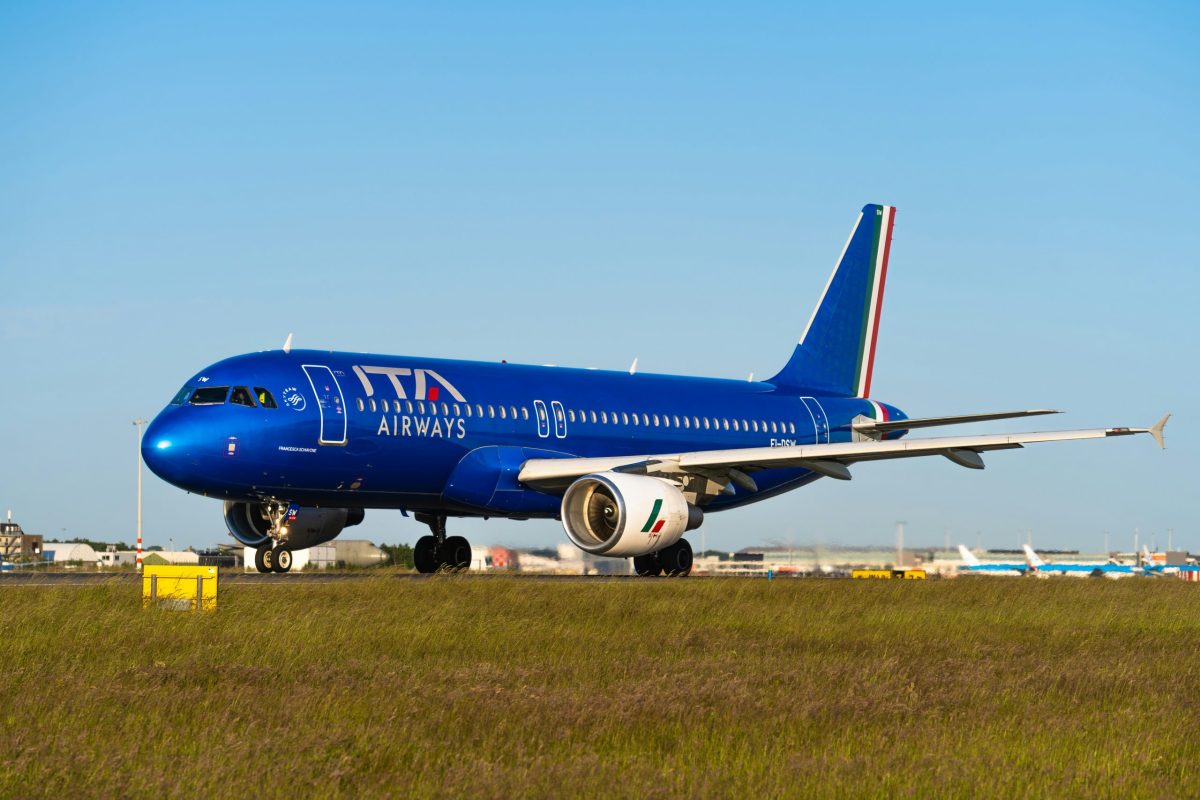
Matthew Hall, the airport's CEO, framed it plainly: the upgrade has the "potential to deliver significant economic benefits, accelerate our sustainability ambition, attract further private investment, and strengthen Northern Ireland's links with key destinations across the UK and beyond." The current network leans heavily toward UK routes, with occasional flights to places like Amsterdam and the Balearic Islands. That's poised to change as capacity grows.
What happens next?
The Proposal of Application Notices (PANs) are now before Belfast City and Borough councillors. This is step one in a process that includes public consultation, giving locals genuine input into how their airport evolves. Planning approval isn't guaranteed, and community voices matter in decisions this size.
For travelers, what's worth watching is the rail connection piece. Direct airport-to-city transit changes everything about a destination's convenience. It removes friction from the arrival experience and makes day trips or quick stopovers far more practical. If Belfast pulls this off, it joins a small club of European airports that have solved the "getting from tarmac to town" problem elegantly.
The airport has ambitious targets, but they're not unprecedented. Similar expansion projects are underway across Europe and beyond, each betting that demand will continue climbing. Belfast's move signals confidence in Northern Ireland's appeal as a travel destination and a conviction that more people will want to fly there. Whether travelers will actually book those flights remains the real test, but the infrastructure will be ready if they do.