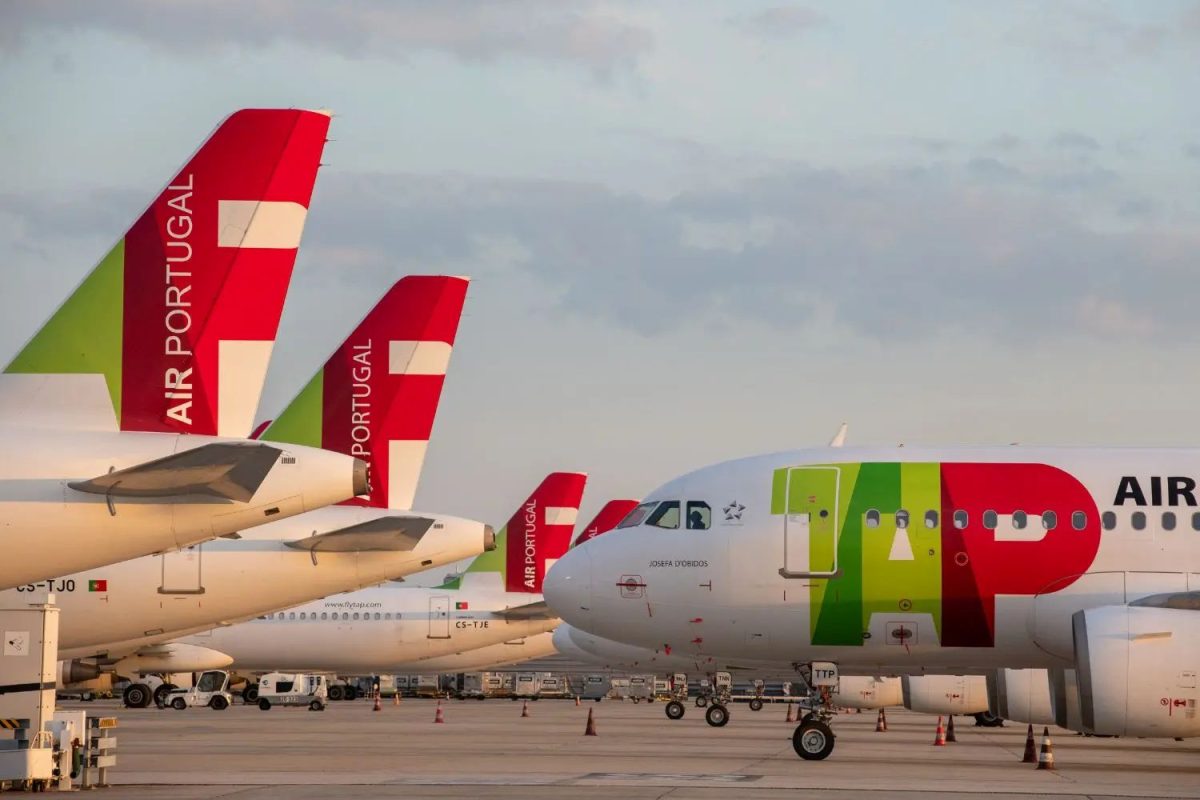
Portugal has made its choice. After months of speculation and a heated rivalry between two of Europe's biggest airline groups, the government has selected Lufthansa as the strategic investor for TAP Air Portugal. The German carrier will pay €1.201 billion for a 49.9% stake, a move that reshapes the future of the Portuguese flag carrier and sends ripples through the continent's aviation landscape.
The announcement came on Wednesday, 14 October 2026, from Prime Minister Luís Montenegro. Lufthansa beat out Air France-KLM, whose final offer was 16% lower and carried more uncertainty, according to the Prime Minister. "This is the best choice for the company's future and the one that best protects the national interest," he said.
The deal isn't just about money. The government has secured commitments for industrial development, including a new pilot training school in Tancos, an innovation centre in Aveiro, and a corporate services hub in Santa Maria da Feira. Lufthansa also plans to expand TAP's fleet, increase passenger numbers, and open new destinations. For travelers, that could mean more direct flights from Lisbon, Porto, and even the islands to key markets in Brazil, Africa, and North America.
What This Means for TAP's Network
TAP's crown jewel has always been its transatlantic routes, especially the dense network connecting Portugal to Brazil, Portuguese-speaking African nations, and the United States. Lufthansa's acquisition will fold TAP into a portfolio that already includes SWISS, Austrian Airlines, Brussels Airlines, and ITA Airways. That integration could strengthen TAP's position in the Star Alliance and open up more code-share options for passengers.
The Portuguese government has insisted that development shouldn't be limited to Lisbon. Guarantees were sought to boost connectivity through Porto, Faro, the Azores, and Madeira. That's good news for anyone planning to explore beyond the capital, whether it's the beaches of the Algarve or the volcanic landscapes of the Azores. Portugal's tourism sector has been booming, and this deal could give it another lift. In fact, Lisbon's port power has already been making waves, and more flights will only add to the momentum.
A Long Road to This Moment
TAP's journey to this point has been rocky. The airline was renationalized and restructured after the Covid-19 pandemic, which required around €3.2 billion in state support. That bailout made the question of TAP's future ownership a major political and economic issue in Portugal. The privatization process was relaunched in 2025, drawing interest from three European aviation groups. International Airlines Group (IAG), the parent of British Airways and Iberia, dropped out early, leaving Lufthansa and Air France-KLM to battle it out.
Lufthansa had expressed interest as far back as November 2025, citing the long-standing relationship between the two airlines within Star Alliance and its existing investments in Portugal. The German group also highlighted plans to develop aircraft maintenance activities in Santa Maria da Feira, with ambitions to grow its Portuguese workforce.
What Happens Next
Don't expect the deal to close overnight. The parties still need to negotiate and finalize contractual arrangements, and the European Commission's competition authorities will scrutinize the transaction. The government expects everything to be wrapped up by early 2028.
For Portugal, this is a turning point. The state will retain majority ownership, but Lufthansa's financial muscle and global reach could give TAP the wings it needs to compete more aggressively. Finance Minister Joaquim Miranda Sarmento called the agreement a significant structural reform that would benefit tourism, employment, and industrial development.
For travelers, the implications are exciting. More routes, better connections, and potentially smoother transfers through Lufthansa's hubs in Frankfurt and Munich. If you're planning a trip to Portugal, this could mean more options and possibly lower fares as competition heats up. And if you're flying beyond, TAP's expanded network might just make Lisbon a more attractive gateway to the world. Lufthansa has been on a growth spree lately, from doubling down on Japan to returning to Dubai. Now, it's setting its sights on the Atlantic.
The deal also signals a broader trend in European aviation, where consolidation is becoming the norm. Lufthansa's portfolio now spans much of the continent, and TAP's addition could create a formidable force. For Portugal, the hope is that TAP will fly higher and further, just as the Prime Minister put it. For the rest of us, it's a reason to keep an eye on the flight schedules.