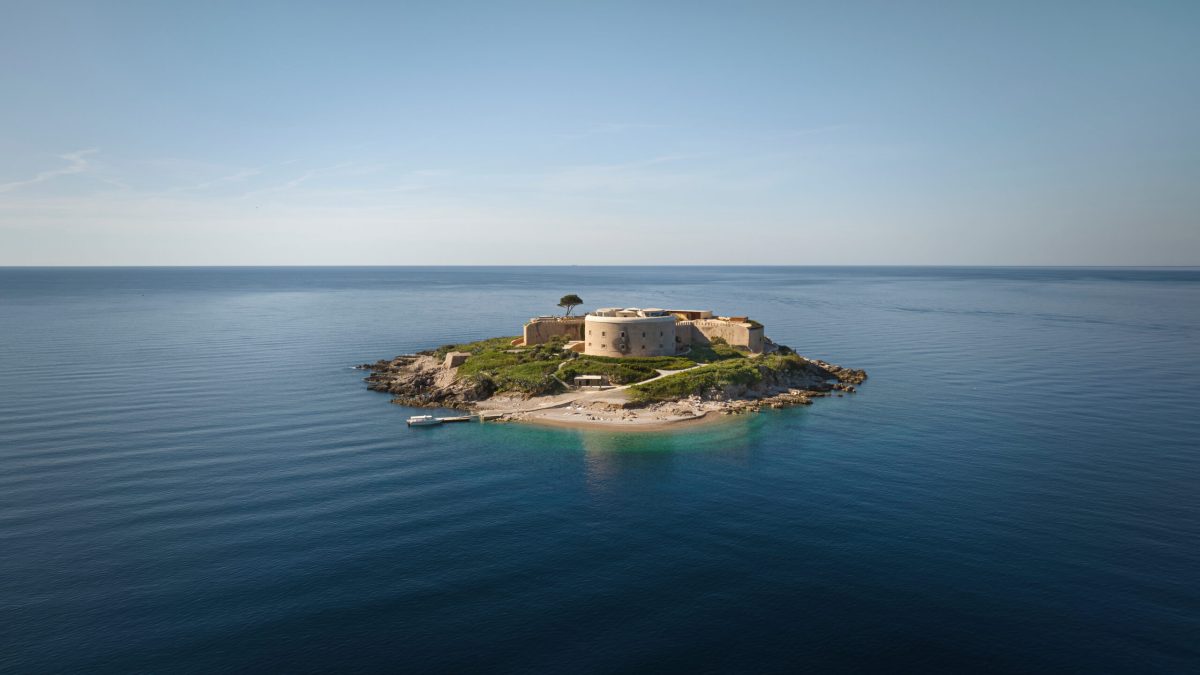
Banyan Tree, the Singapore-based hospitality powerhouse, has quietly claimed its slice of European luxury with the opening of Mamula Island in Montenegro. This isn't just another beach resort sprinkled across the Adriatic. It's the brand's first full European venture, and it arrives as a meticulously restored 19th-century fortress turned into 32 rooms of high-end seclusion.
The property sits on a private islet overlooking the UNESCO-protected waters of the Bay of Kotor, one of Europe's most cinematically beautiful bays. Getting there requires a private boat ride across Boka Bay or a helicopter jaunt from Dubrovnik or Tivat. That access barrier is entirely intentional. Mamula Island exists for travelers who want the Mediterranean without the crowds, the history without the tour groups.
Seven Years to Get It Right
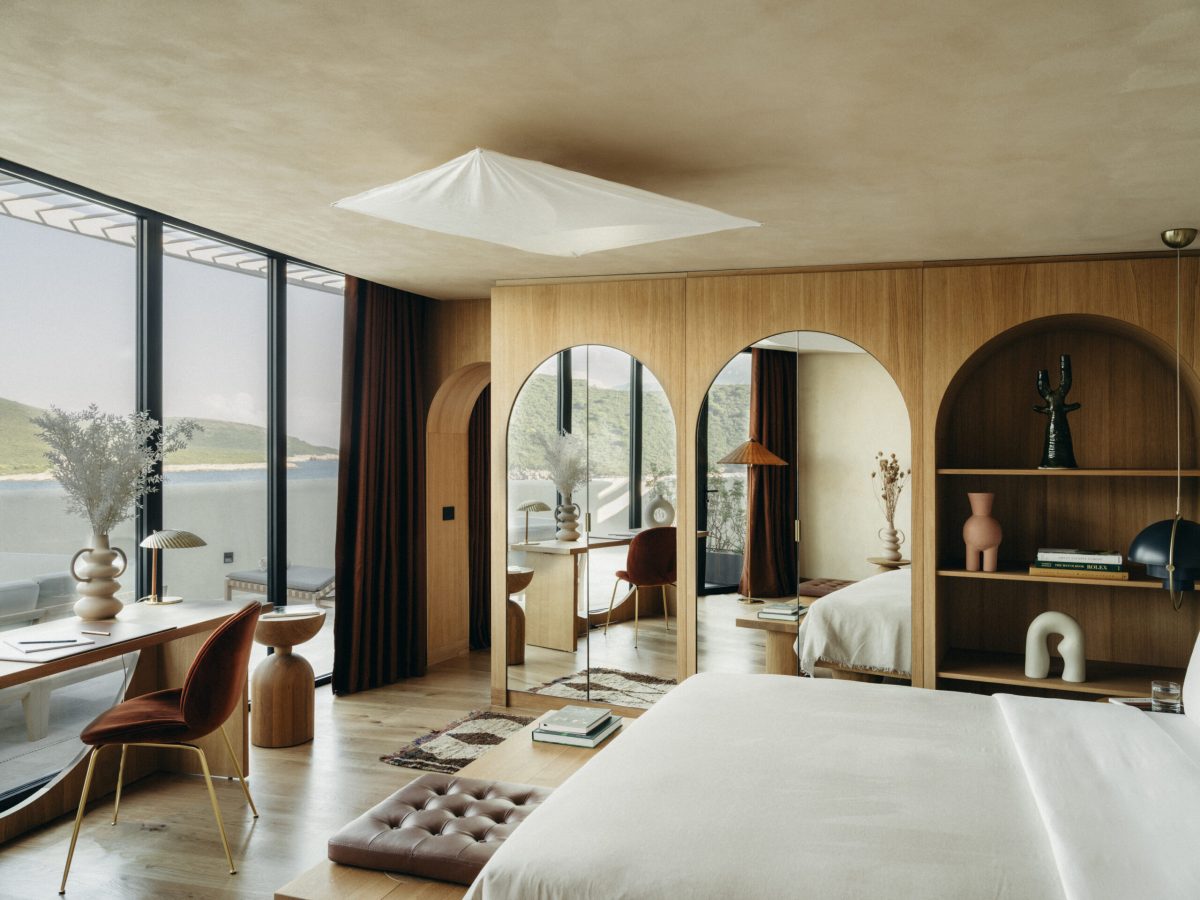
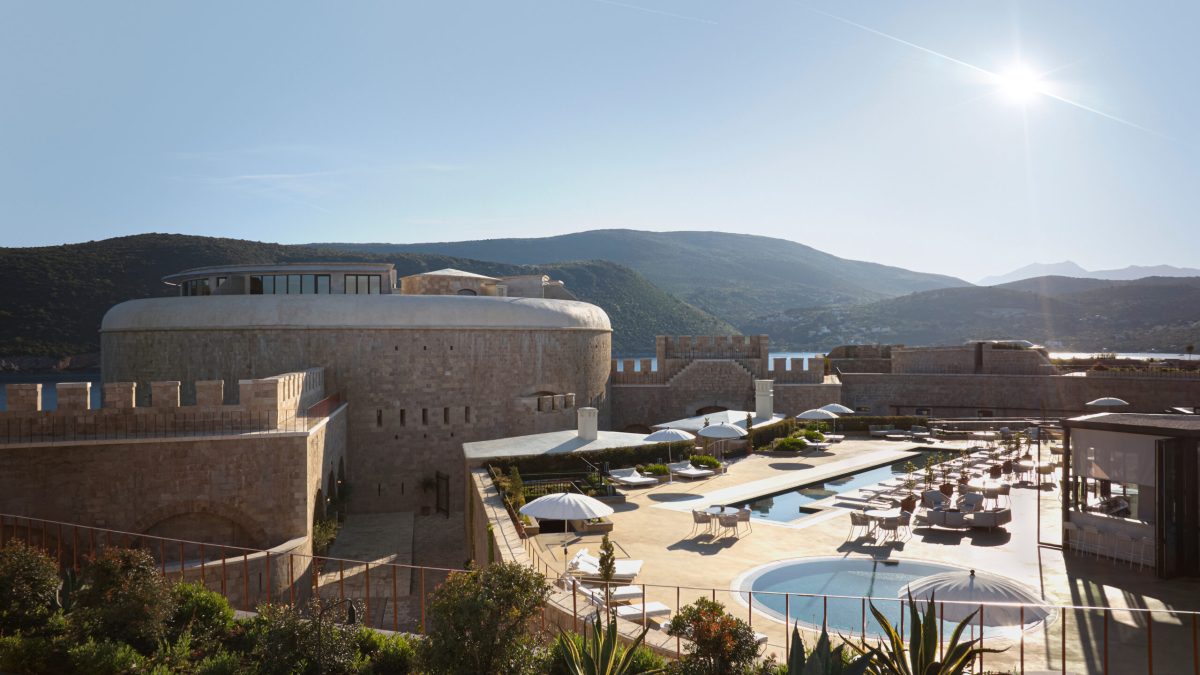
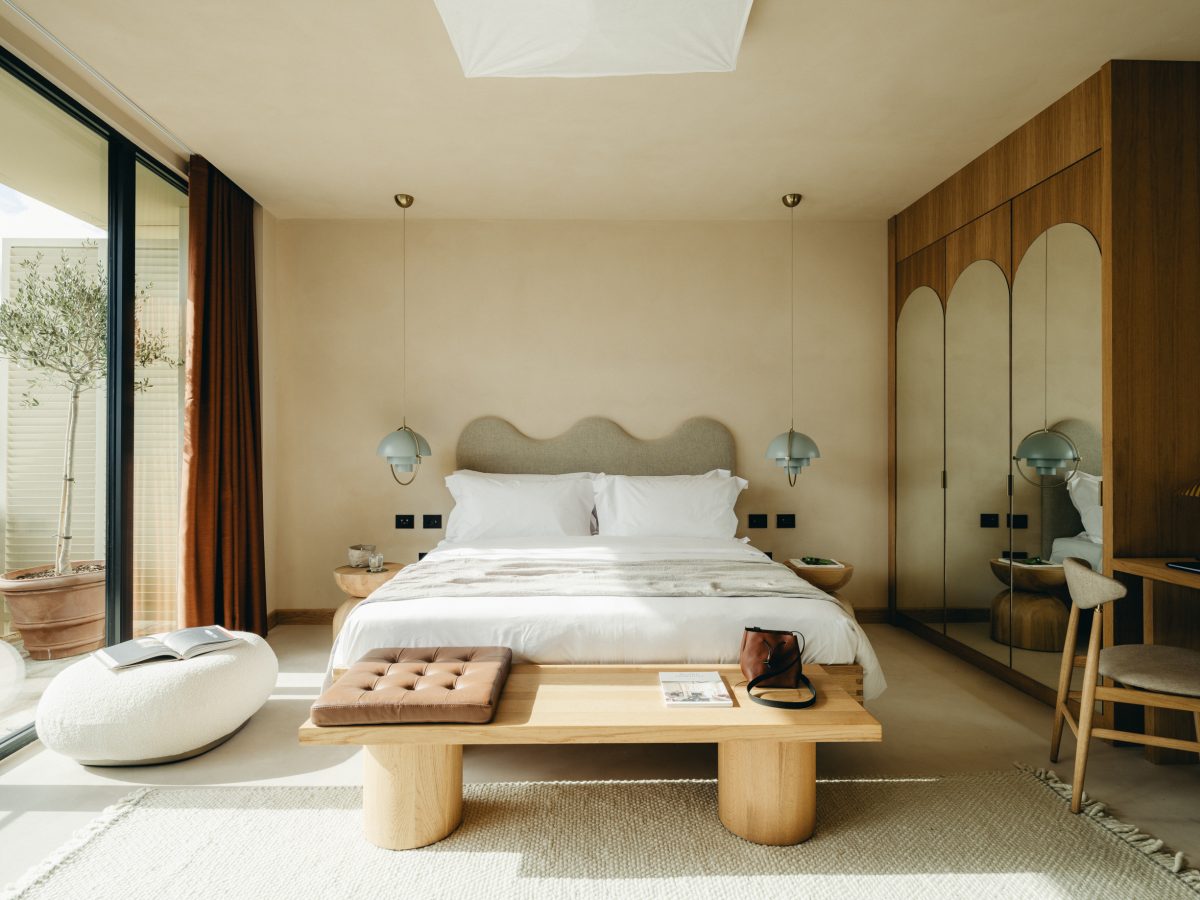
Fort Mamula originally rose from the island in the 1850s as a coastal defense structure. For decades it sat there, a shell of what it once was, until Banyan Tree acquired it and committed to a seven-year restoration marathon. The team preserved the fortress's original character while threading contemporary luxury through every inch of the property. The fortress's signature arches remain intact. Stone archways anchor the interiors. Aged brass, solid oak, and craftsmanship borrowed from local pottery and joinery traditions keep things grounded in the region rather than generic resort-speak.
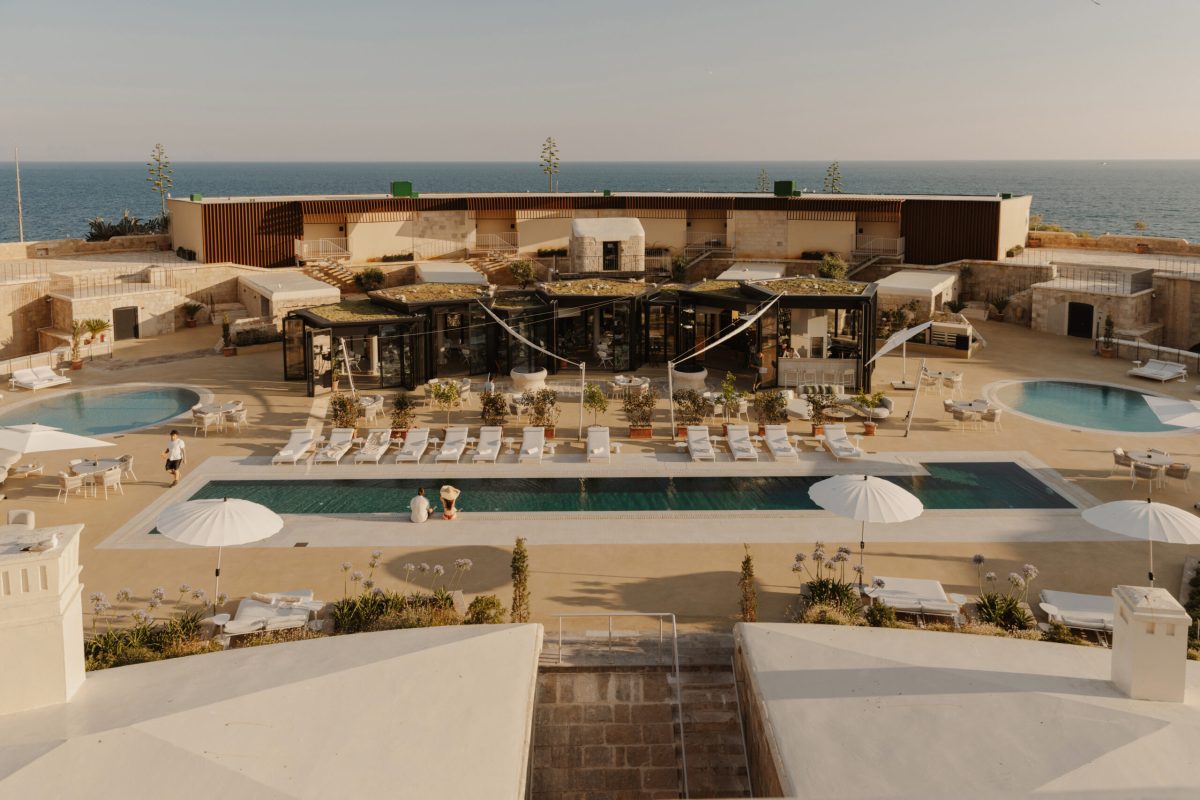
Inside, you'll find the brand's award-winning Banyan Tree Spa, which occupies a tower within the historic fortress itself. There are three outdoor pools carved into the landscape, a private beach, and a spa that manages to honor the building's bones while delivering the wellness experience travelers expect from this price point.
Eating Well on an Island
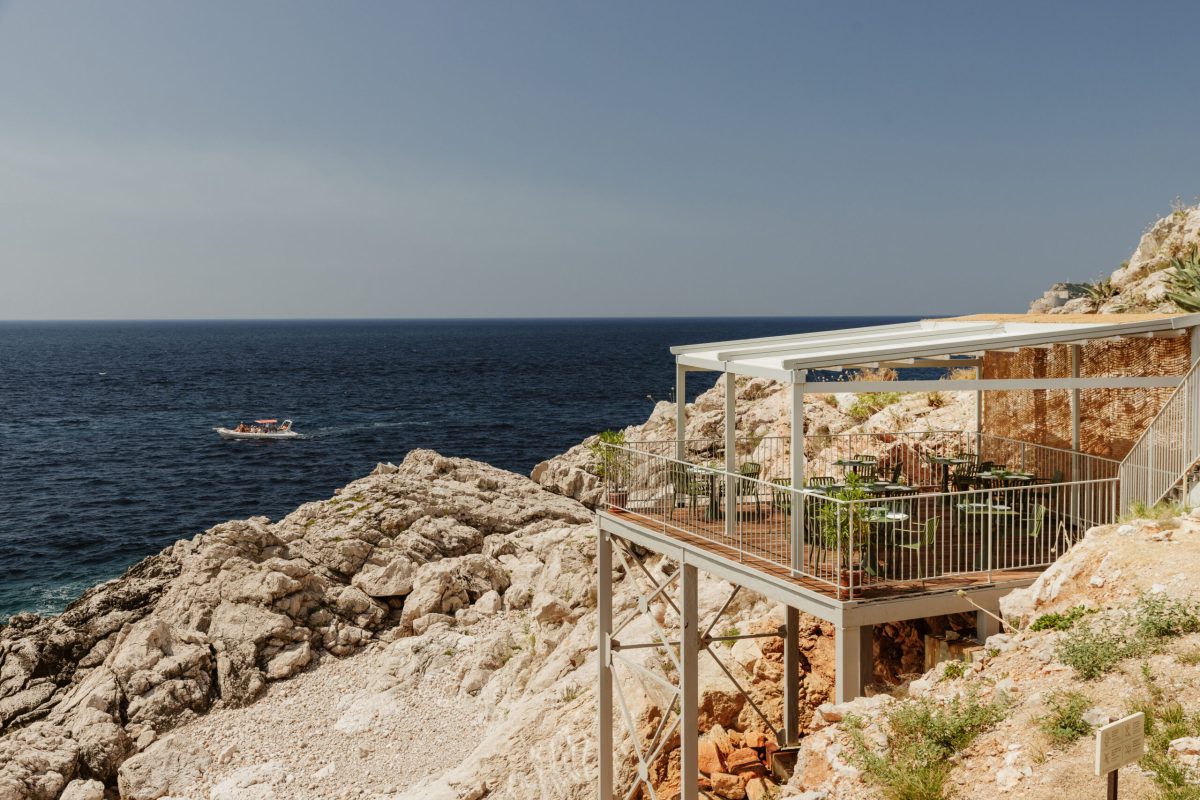
Banyan Tree doesn't operate on a single dining concept. Instead, the resort offers three distinct restaurants that showcase Mediterranean cooking without falling into cliche. Parasol serves seafood-forward plates poolside. Kamena overlooks the Adriatic with menus built around locally harvested ingredients. Celeste draws from coastal traditions spanning Italy, the Caribbean, and the Levant, creating something that feels both familiar and unexpected. Pinea Bar handles the evening shift with handcrafted cocktails and vinyl music sessions that extend into the night.
This approach to food and drink reflects a larger philosophy at Mamula. Everything here connects to the region, to the water, to the seasons. It's the kind of resort where the kitchen sources from local fishermen and farms, not a centralized supplier in a neighboring country.
Culture Beyond the Beach
What sets Mamula Island apart from other luxury island escapes is its commitment to cultural programming. The resort launched an Artists-in-Residence initiative featuring local and regional creatives. Guests can participate in workshops, exhibitions, maker sessions, and live music events. There's even an Operosa Music Festival that transforms the island into a temporary cultural venue. This isn't background noise. It's an intentional shift toward meaningful engagement, away from pure hedonism.
The property also accommodates exclusive island buyouts for weddings, retreats, and private events. If you need an entire fortress for your celebration, Mamula can deliver it. The venues span the restored fort itself, open-air terraces, gardens, spa facilities, and beachfront spaces.
What This Means for European Luxury Travel
Banyan Tree's arrival in Europe signals something larger about global luxury hospitality right now. Premium brands are increasingly betting on smaller, more intimate properties that emphasize wellness, culture, and place-based experiences over room count and resort sprawl. Mamula Island represents that shift perfectly. It's not trying to be all things to everyone. It's betting that travelers with means want something rarer: genuine connection to a location, quality over quantity, and experiences that can't be replicated at a dozen other properties.
If you're planning a European trip and find yourself drawn to destinations with a sense of history and purpose, Montenegro's Bay of Kotor has always had the dramatic landscape. Now it has the resort infrastructure to match.