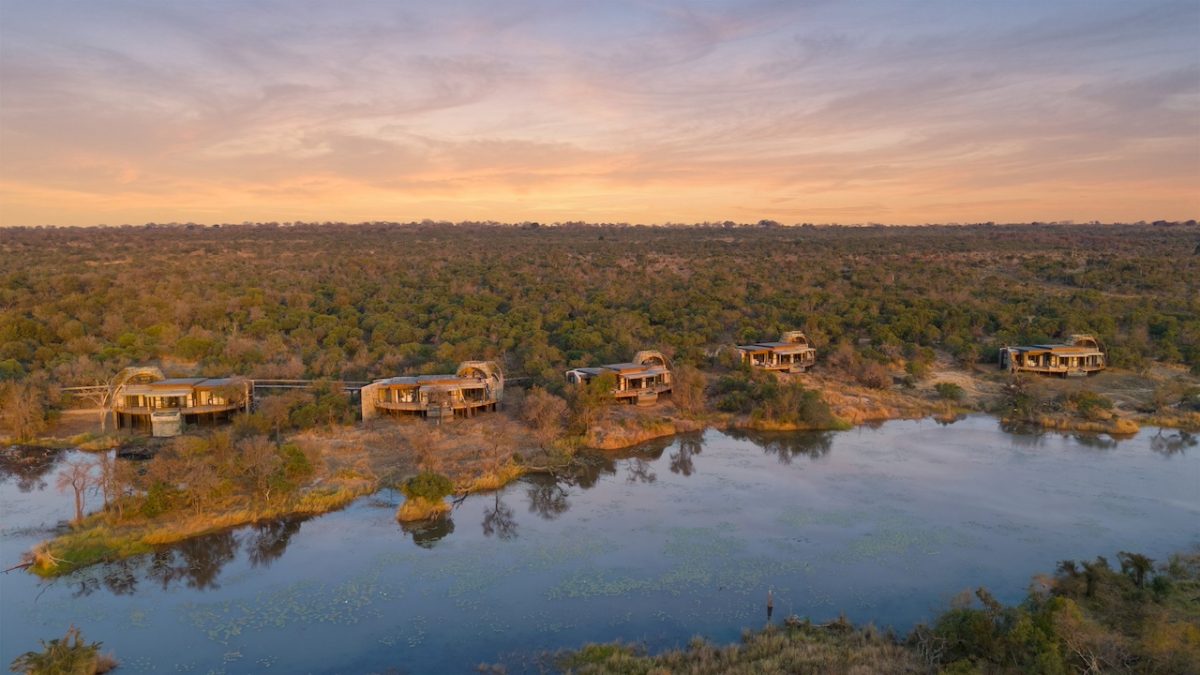
There's something quietly radical happening in South Africa's Limpopo province. A landscape that once echoed with hunting rifles has been reborn as Sandringham Private Game Reserve, the newest property from Sabi Sabi, a family-owned hospitality group that's been operating safari lodges since 1979. The transformation wasn't quick. It took five years of patient, unglamorous work: removing fences, repairing eroded soil, restoring water systems. But the result is now welcoming guests to something that feels genuinely different.
The nearly 5,000-hectare reserve sits in the Greater Kruger region, nestled between the Timbavati and Thornybush reserves. Unlike many high-end African lodges that simply exist within a landscape, Sandringham was designed with a specific goal: to let the land itself heal. Jacques Smit, Sabi Sabi's marketing director, describes it as "one of the most rewarding journeys in our history," watching wildlife gradually relearn that humans no longer pose an automatic threat.
What makes this pivot remarkable is that it's fundamentally against the grain of immediate profit. Hunting concessions remain viable revenue across South Africa, yet Sabi Sabi chose to bet on something slower and harder: eco-tourism built on genuine restoration. That choice matters, especially as southern Africa's tourism landscape shifts toward new partnerships and models.
Two Camps, One Vision
The reserve operates two ultra-exclusive camps, each with just six suites. N'weti takes its name from the Drakensberg Mountains, while Shisaka offers a second base. These aren't your standard safari cabins. Suites feature private infinity pools, indoor-outdoor bathrooms, and nest-like relaxation decks inspired by Tsonga architectural traditions. The central lodge houses a spa, gym, and education center, with meals served in an open-air boma flanked by South African wine displays. Those craving even more seclusion can book Shisaka's private villas or Sandringham House, a sprawling 1,100-square-meter residence that sleeps eight and comes with a personal chef, butler, and dedicated ranger.
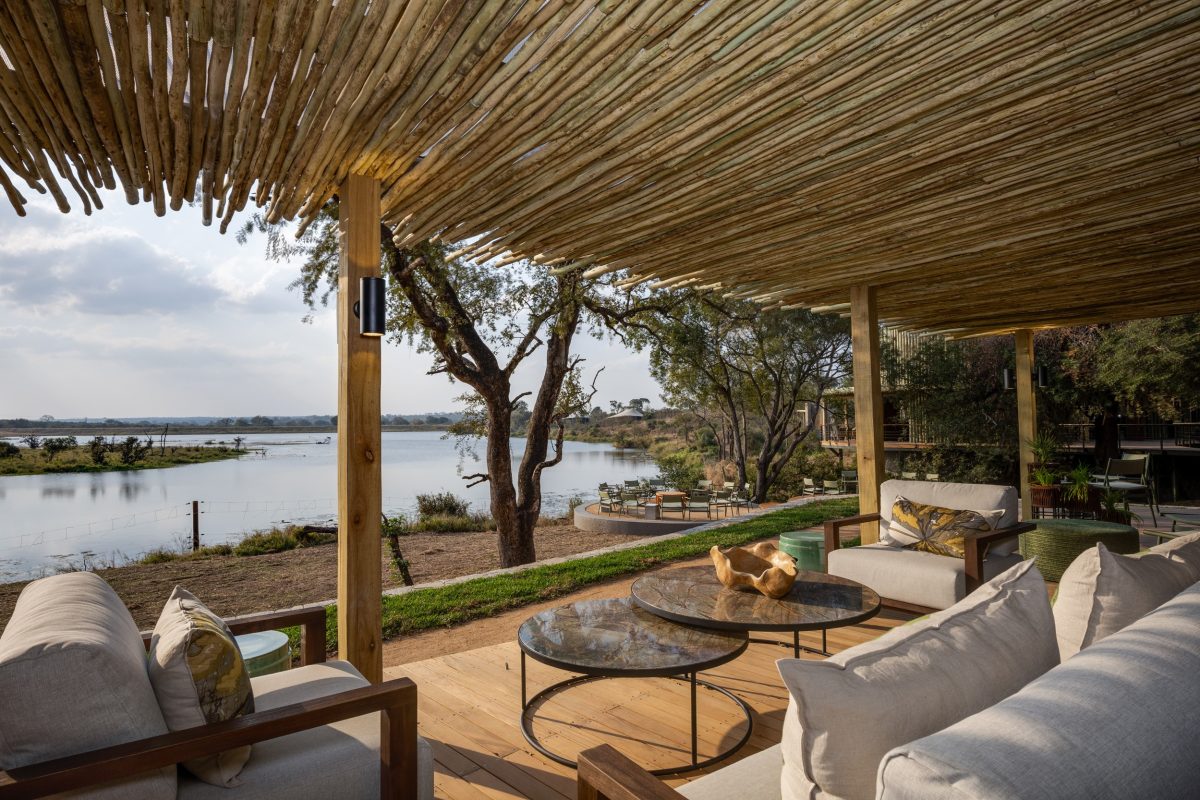
Getting there is frictionless too. A private airstrip allows guests to arrive without the usual airport shuffle, stepping directly into the bush with minimal fuss.
The Hard Work of Undoing Damage
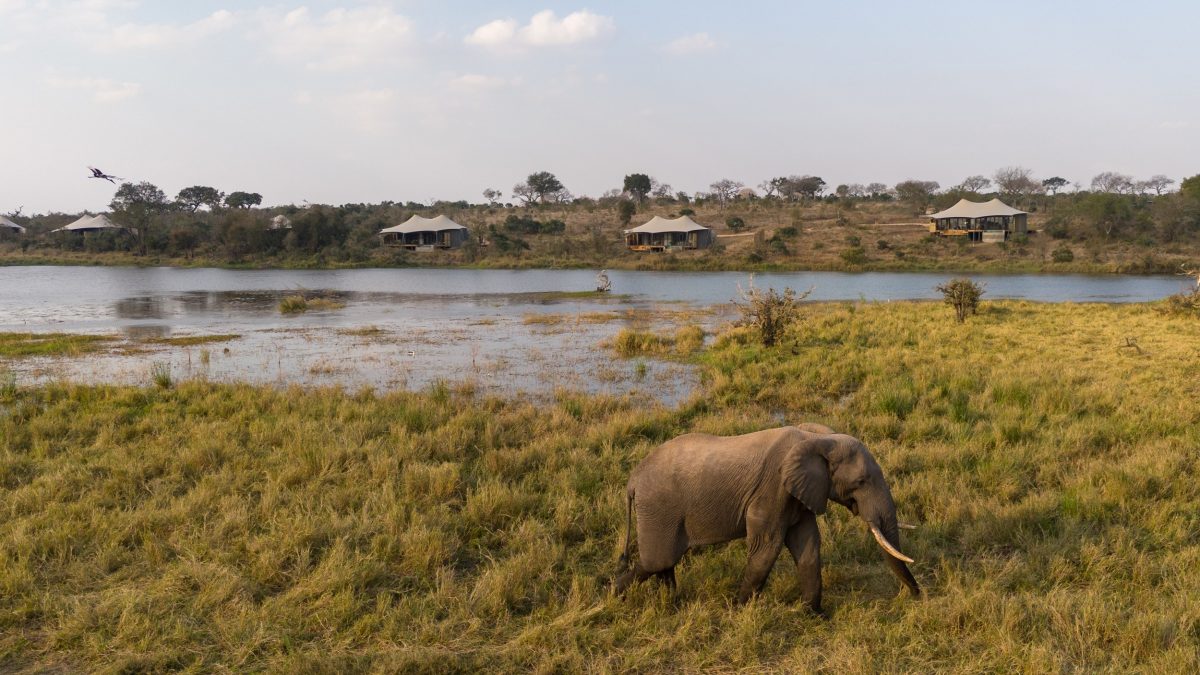
The real story, though, isn't in the thread count or the wine list. It's in what happened before the lodges opened. For years, Sabi Sabi systematically dismantled the infrastructure of hunting: removing fences that had fragmented the landscape, repairing soil damage, and restoring the natural water catchment systems that feed the Timbavati River. By taking down barriers, they reconnected Sandringham to the wider, unfenced Greater Kruger ecosystem. Suddenly, elephants, predators, and smaller fauna could move freely between reserves as they had for centuries.
Four rivers now cross the property, ensuring year-round water availability even when the dry season bakes the region. For visitors, that translates to predictable game viewing. Animals congregate at water sources, and patient observers spot lions, elephants, and rare species in their natural rhythms, not in staged encounters.
Community at the Center
Part of Sandringham's model includes partnership with the Tracker Training Academy, which trains young people from nearby communities for careers as professional wildlife trackers. It's a small detail that signals something larger: the reserve isn't extracting value from the landscape. It's building local capacity and creating pathways for people who live adjacent to the reserve.
Sabi Sabi frames Sandringham as a potential blueprint for other conservation projects across the continent. The argument is straightforward: rewilded land managed for high-cost, low-density tourism can generate more revenue and lasting value than hunting ever could. Kenya's Maasai Mara and Laikipia Plateau are already grappling with similar pressures on land and wildlife, and watching how Sandringham performs will matter to conservation strategists everywhere.
For travelers accustomed to luxury that demands extraction from place, Sandringham offers something rarer: luxury built on restoration. Game drives, walking safaris, and birding expeditions now unfold across landscape that's actively healing. It's the kind of destination where comfort and conservation aren't competing values. They're the same thing.