The Middle East is experiencing one of its most severe tourism crises in recent memory. Military tensions between Israel, the US, and Iran have created a perfect storm for the travel industry: closed airspace, canceled flights, grounded cruise ships, and travelers spooked enough to rebook elsewhere. The World Travel & Tourism Council estimates the damage at a staggering $600 million per day.
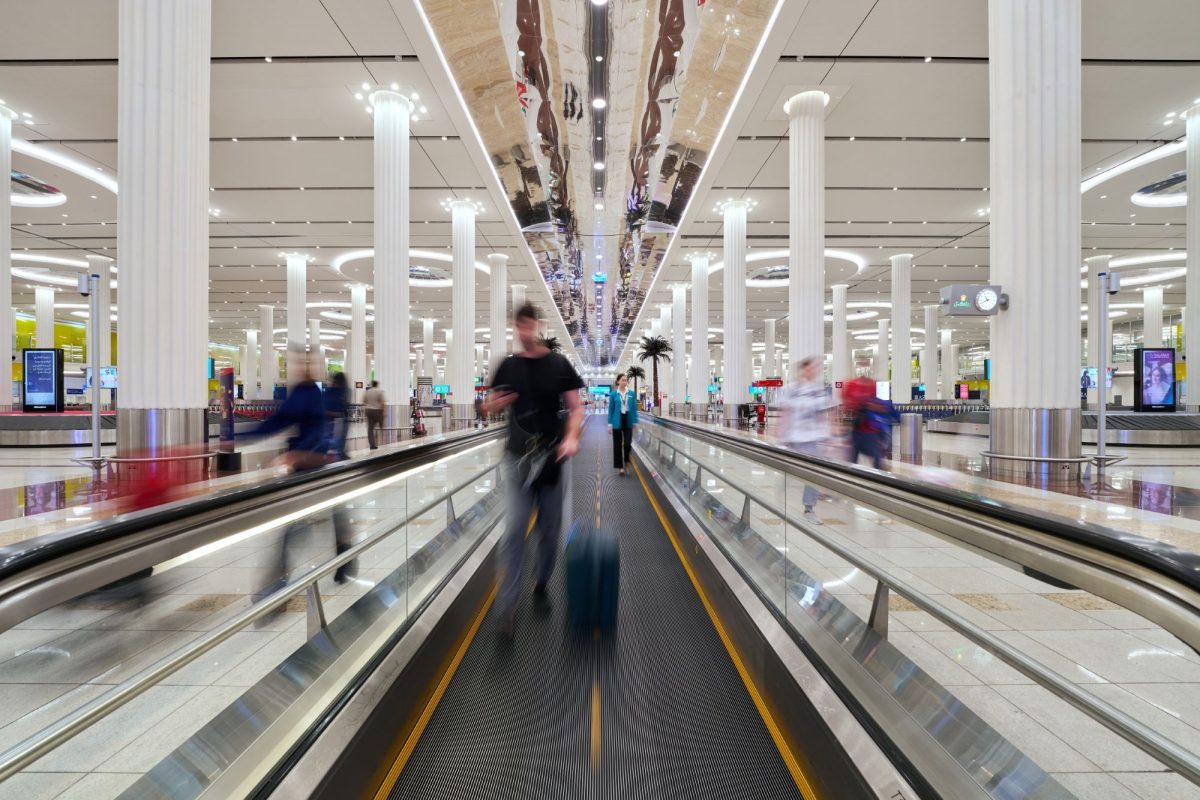
That figure might sound abstract until you consider what it represents. Hub airports in Dubai, Abu Dhabi, Doha, and Bahrain typically handle over 500,000 passengers daily. These are the arterial pathways through which global travelers connect between Europe, Asia, and Africa. When that flow stops, the impact ripples far beyond the terminals. Hotels sit half-empty. Tour operators cancel itineraries. Restaurants lose customers. Workers across the hospitality supply chain face uncertainty.
The losses cut deeper than daily spending figures reveal. The WTTC had projected $207 billion in international visitor spending across the region for 2026 before the conflict escalated. The organization's analysis shows that even brief disruptions to travel flows translate into massive economic shocks. Travel and tourism remains one of the world's most resilient economic sectors, yet it's proving vulnerable to security crises that keep passengers on the sidelines.
But here's where the narrative shifts from catastrophe to recovery. Travel historians and industry analysts have studied what happens after previous crises in this region, and the pattern is remarkably encouraging. Research from the WTTC shows the Middle East has a strong track record of bouncing back quickly after periods of conflict. In some cases, the tourism sector has returned to near-normal levels in as little as two months. Why? Because this region has deep structural advantages: millions of expatriates with family connections pulling them back, established infrastructure that doesn't vanish overnight, and travelers who know the genuine safety record beneath the headlines.
Gloria Guevara, the WTTC's president and CEO, has pointed to these historical patterns as reason for measured optimism. Security-related incidents often see faster tourism recovery times than other types of crises, she noted, especially when governments actively support the industry through measures like coordinated evacuation efforts and traveler repatriation programs. The math is straightforward: a two-month conflict scenario could see recovery beginning by late May 2026. A longer crisis stretching through summer could mean losses reaching $56 billion and recovery delayed into the fourth quarter.
The recovery timeline hinges on one crucial variable: how long the conflict actually lasts. US President Donald Trump's estimates have shifted multiple times, while Tehran has suggested it will determine the end point itself. No clear cessation date exists yet, which means tourism operators are planning scenarios rather than timelines.
What will actually speed recovery, according to Guevara, is a coordinated response from both public and private sectors. Governments need to communicate clearly with travelers and media. Hotels need to adjust rates and remain competitive. Airlines need to restore routes methodically as airspace reopens. Everyone needs to work together on messaging that rebuilds confidence without downplaying legitimate safety concerns. When this coordination happened after previous Middle East crises, recovery accelerated dramatically.
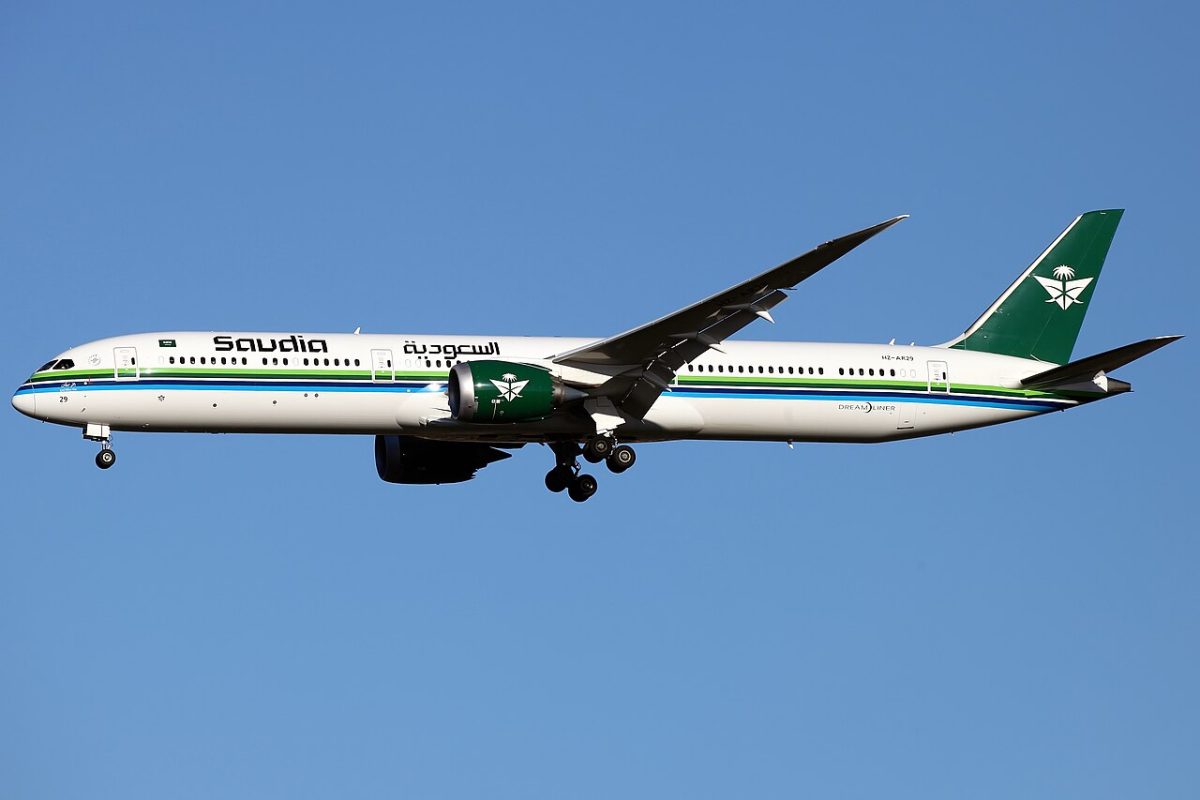
For travelers already booked or considering trips to the region, the situation remains fluid. Airlines continue making day-by-day decisions about routes. Several major carriers have grounded Middle East routes, though some continue operating select corridors. Check with your airline, monitor official travel warnings, and keep flexible booking terms on your side if possible.
The Middle East's tourism story isn't over. History suggests it's merely hitting pause.