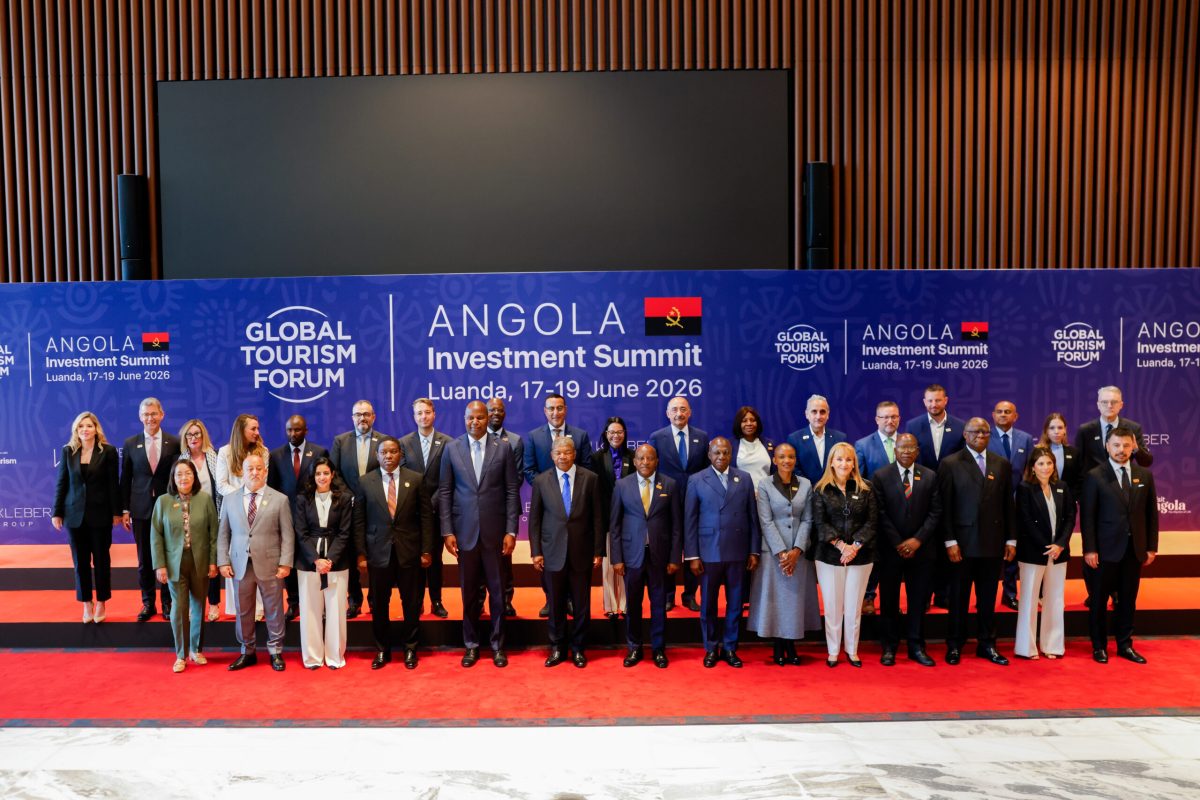
Picture this: more than 1,000 tourism executives, government ministers, investors, and heads of state descend on Luanda for three days in mid-June. The mission isn't another rubber-stamping conference where everyone nods politely and departs unchanged. This was Angola's moment to flip the script on how the world perceives it.
For decades, Angola has been shorthand for oil, geopolitics, and reconstruction. The Global Tourism Forum Angola Investment Summit, held June 17-19 under President João Lourenço's patronage, was the country's formal announcement to the global travel industry. Under the spotlight were some serious players: Mozambique's President Daniel Chapo, UN Tourism Secretary-General Shaikha Al Nowais, tourism ministers from across continents, and representatives from international organizations. They weren't there to watch a slideshow. They were there to evaluate.
What Angola actually put on the table
The summit wasn't just networking and handshakes, though there was plenty of that. Three days of panels, investment sessions, and ministerial discussions tackled the infrastructure, aviation, connectivity, and development opportunities Angola is banking on. President Lourenço opened by walking through Angola's reform agenda: streamlined administrative procedures, foreign investment incentives, and a climate designed to attract serious capital.
Tourism Minister Márcio de Jesus Lopes Daniel drove home a central message: tourism isn't a side project for Angola. It's a pillar of economic diversification, a job creator, and a growth engine the country plans to build intentionally. Two flagship projects anchored every conversation: the new Dr António Agostinho Neto International Airport and the Lobito Corridor. Both are being positioned as game-changers for regional connectivity and economic development across Southern Africa.
Rewriting Angola's image in real time
What made this summit different wasn't just who showed up, but what they showed up to discuss. Luanda just hosted Africa's biggest tourism power play, and for three days, Angola wasn't being analyzed through the usual lens of commodities or geopolitical chess moves. Instead, it was center stage as a tourism destination with natural attractions, cultural heritage, and a strategic location on Africa's Atlantic coast.
That shift matters. International visibility gets translated into investment, partnerships, and visitor numbers. When delegates from Europe, Asia, the Middle East, and across Africa leave a summit like this, they carry impressions and contact lists. For many participants, it was their first real encounter with Angola's tourism infrastructure and investment pipeline. Whether those first impressions convert into flights booked and hotels built depends on execution, but the groundwork is being laid.
KLEBER GROUP contributed significantly to the event's international reach and organization, working alongside Angola's Ministry of Tourism to amplify the country's message beyond Luanda's walls.
The real win might be invisible
Three days of summits produce agreements and announcements, sure. But the deeper achievement was perceptual. Angola spent 72 hours changing how influential decision-makers think about the country. That's not measured in signed contracts (though some likely happened behind closed doors). It's measured in how many investors and tourism operators now have Angola on their radar as something worth investigating seriously.
Whether that visibility translates into sustained investment growth and visitor arrivals is the next chapter. What's already clear: Angola positioned itself as a country ready to compete on the global travel stage, and it had the firepower to back that claim. The question now is whether the follow-through matches the ambition. For travelers watching Africa's tourism landscape evolve, Angola just became impossible to ignore.