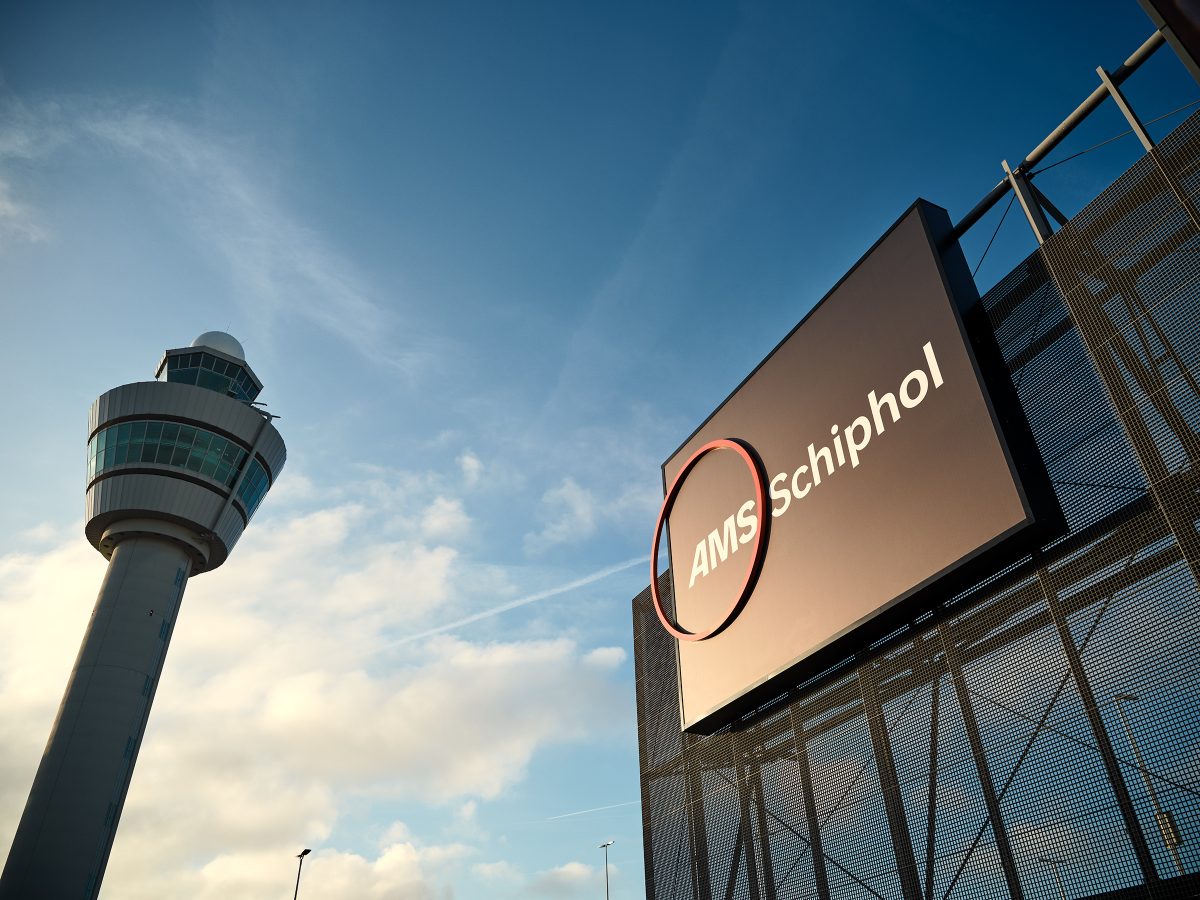
The Netherlands' highest administrative court has torpedoed a major government effort to rein in flight operations at Amsterdam Schiphol Airport. The 2024 cap, which would have limited annual flights to 478,000, is now officially dead. For travelers, this likely means more flight options and better connectivity through one of Europe's most important aviation hubs. For residents living under the flight paths, it's a defeat in an exhausting noise battle.
The government had designed the flight limit as an environmental shield, promising to slice noise pollution by as much as 15 percent. The logic seemed solid: fewer planes equals quieter neighborhoods. But the court found the government's case flimsy. Judges determined that officials hadn't properly accounted for how different aircraft produce vastly different noise signatures, and they found no convincing proof the cap would actually deliver the promised noise reductions.
A Win for Airlines, a Loss for Quiet Mornings
Airlines had fought the cap hard, warning that it would strangle operations and damage Europe's largest aviation market. Their legal challenge succeeded where environmental concerns faltered. The ruling reflects a familiar tension: aviation drives economic growth and international connectivity, but it comes with real costs for the people living nearest the airport. Disputes over airport fees and operational limits have become increasingly common across Europe as carriers push back against restrictions.
Not everything changed, though. The court upheld the government's decision to cut nighttime flights. Since no party contested that measure, it stays in place. For travelers arriving on red-eye flights, this remains an important guardrail on airport expansion.
The Bigger Picture at Schiphol
Schiphol handles tens of millions of passengers annually and serves as a critical international transfer hub. The airport has ambitious plans to invest billions in modernizing terminals, improving passenger experience, and cutting emissions by 2035. Meanwhile, the Dutch government has also raised the air passenger tax (from EUR 29.40 to EUR 30.25) to fund environmental and sustainable aviation projects, moves that may make flying more expensive for budget-conscious travelers.
The court's decision exposes a crack in climate strategy. Environmental groups and resident associations had hoped the flight cap would force a real reckoning with aviation's footprint. Instead, the judiciary sided with economic arguments. The Aviation Environment Federation captured the frustration perfectly: the question shouldn't be how many flights Schiphol "needs," but rather how much noise the airport is legally permitted to produce.
What's Next for Amsterdam Travelers
Expect more flights and more options at Schiphol. The airport remains Europe's fourth largest by passenger volume, and removing the cap removes a major constraint on future growth. That's good news if you're hunting for connecting flights or competitive fares. It's less welcome news if you live in surrounding neighborhoods where jet noise is already a daily fact of life.
This ruling reflects a broader European conflict: governments want to meet climate targets and keep residents happy, but they also want the economic benefits aviation brings. Courts are increasingly the arena where these fights play out, and so far, carriers and airport operators have largely prevailed when regulations get too restrictive. The nighttime flight curbs remain, but they're a modest consolation in what residents see as a larger loss.
For travelers, the practical takeaway is straightforward: Schiphol's future as a major European hub is secure, and competition among airlines operating there should remain robust.