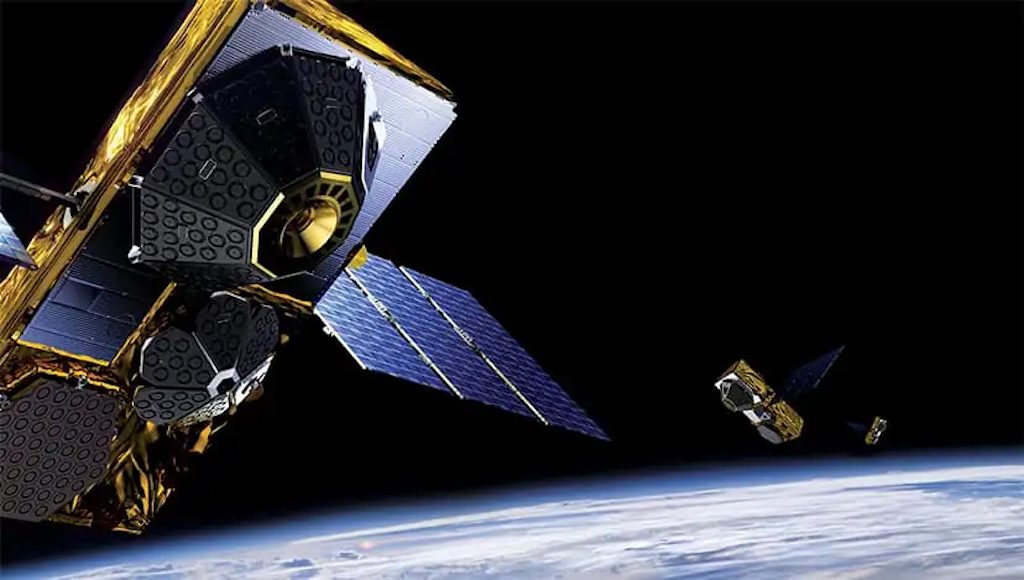
The war for airborne internet just got a lot more expensive. Amazon announced it's acquiring Globalstar, a satellite operator, for $11.6 billion in what amounts to a full-throttle bet on space-based connectivity. While Elon Musk's Starlink dominates the landscape with over 10,000 satellites already in orbit and 10 million customers, Jeff Bezos has been running laps behind with just 200 satellites currently deployed. This acquisition is his move to finally close that gap.
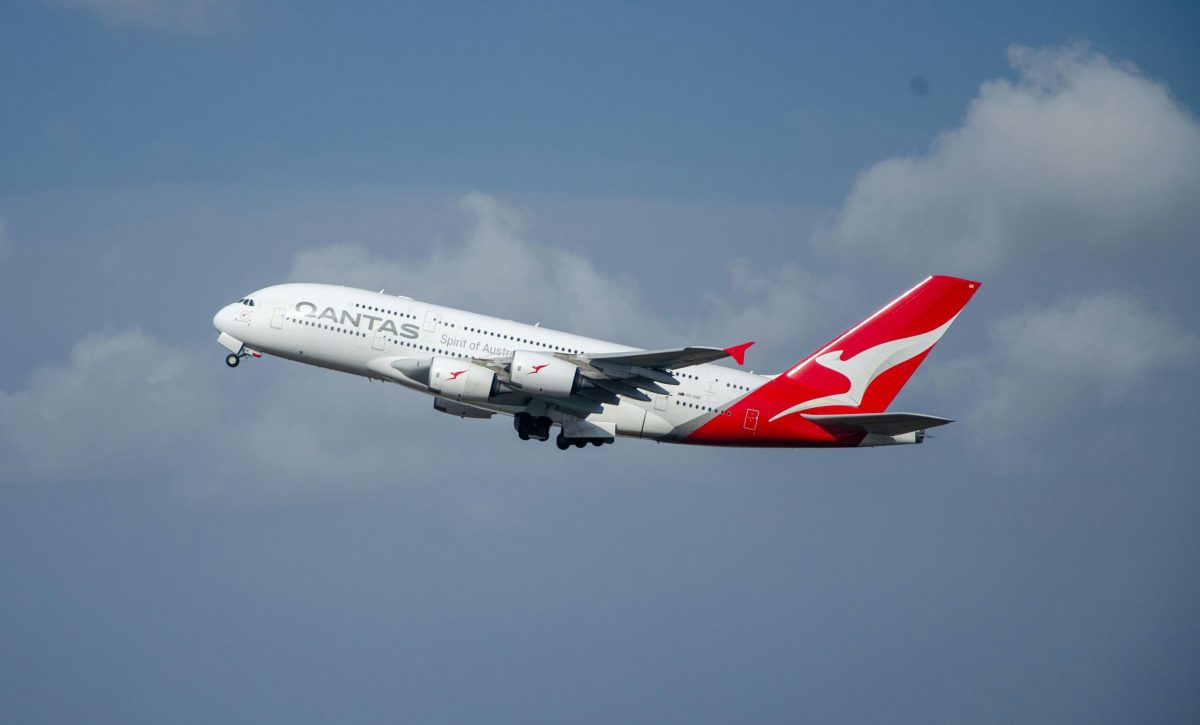
Here's the practical angle for travelers: Amazon's Leo network has inked deals with major carriers that matter to people who fly. Delta has already signed on to use Amazon Leo, a contract Amazon's CEO Andy Jassy described as proof that the technology can deliver real-world impact. When you're 35,000 feet in the air, this is the difference between texting your family and staring at a loading symbol for three hours.
The Globalstar acquisition gets Amazon something Starlink didn't have built in from day one: direct-to-device technology that works even when you're nowhere near a cell tower. Globalstar's existing infrastructure already powers emergency SOS calls on iPhones and Apple Watches. That capability stays intact under Amazon's ownership, and now it becomes a building block for something bigger. Amazon just signed a long-term agreement with Apple to expand Leo's satellite services across iPhone and Apple Watch models, letting users message for help, contact loved ones, and request assistance from remote locations.
The numbers tell you how serious Amazon is about this race. The company plans to launch 3,200 more Leo satellites into low Earth orbit by 2029, with roughly half needing deployment by July to meet regulatory deadlines. Globalstar itself only adds about 50 satellites to the mix, but the real prize is what comes with it: ground stations and infrastructure scattered across the United States (California, Georgia, Louisiana), Europe (Dublin, Toulouse), and South America (Rio de Janeiro). That physical footprint matters when you're trying to offer consistent coverage to people traveling across continents.
What makes this acquisition clever is that it solves a specific problem Amazon couldn't crack on its own. Direct-to-device satellite technology allows phones and watches to connect without ground-based cellular towers, which opens doors for anyone venturing into genuinely remote territory. If you're hiking deep into wilderness, sailing across open ocean, or exploring regions where traditional cell coverage simply doesn't exist, this technology bridges the gap between disconnection and safety.
Wall Street and regulators both seemed pleased. Globalstar's stock jumped more than 10 percent on the announcement alone, building on earlier gains. The FCC signaled an "open-minded" stance on the deal, viewing it as good for innovation in satellite communications. Amazon's own stock climbed 3 percent. This isn't just a business transaction; it's a validation that the satellite internet space is mature enough for major infrastructure plays.
Of course, Amazon's space ambitions don't stop at Leo. Bezos also owns Blue Origin, which is building TeraWave, a separate satellite network designed to capture business, data center, and government contracts with download speeds measured in terabits. That's another 5,400 satellites planned by 2027. Between Leo and TeraWave, Amazon is placing massive bets on the idea that satellite connectivity will become as essential as ground-based infrastructure.
For travelers, the timeline matters. In-flight connectivity is becoming standard across airlines, and the competition between providers directly affects what you get during your next trip. Faster speeds, more reliable connections, and lower latency all depend on which satellite network your airline chooses. Amazon's push to compete with Starlink means you'll likely see better options, faster upgrades, and more carriers offering improved service within the next few years.
The bigger picture is that reliable global connectivity is shifting from luxury to necessity for modern travelers. Whether you're catching up on work during eclipse trips or staying safe during adventures in remote regions, the ability to connect from anywhere on Earth changes how travel works. Amazon's $11.6 billion bet on Globalstar suggests the company believes that shift is just beginning.