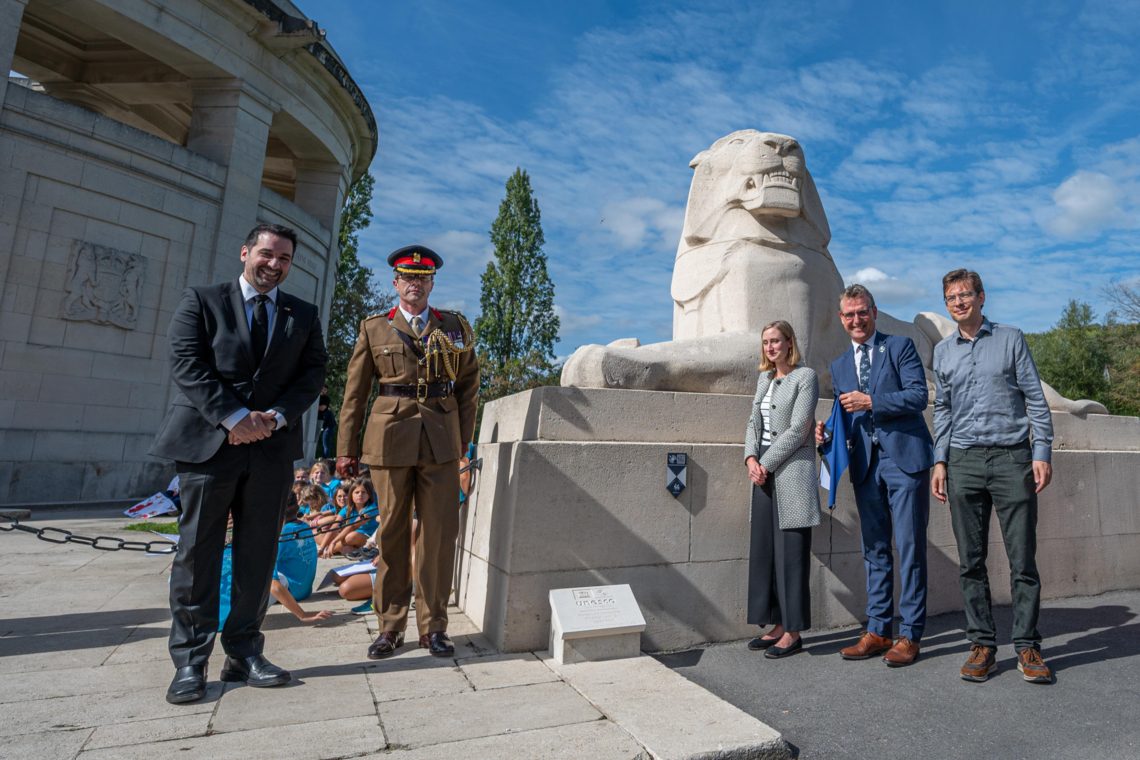
In the rolling farmland of western Wallonia, near the French border, sits a village that most travelers speed past. Ploegsteert, a name that British soldiers in 1914 found impossible to pronounce, became "Plugstreet" to them. Now this unassuming place has made history again, this time as the first site in Belgium to receive a UNESCO World Heritage plaque for its First World War memorial heritage.
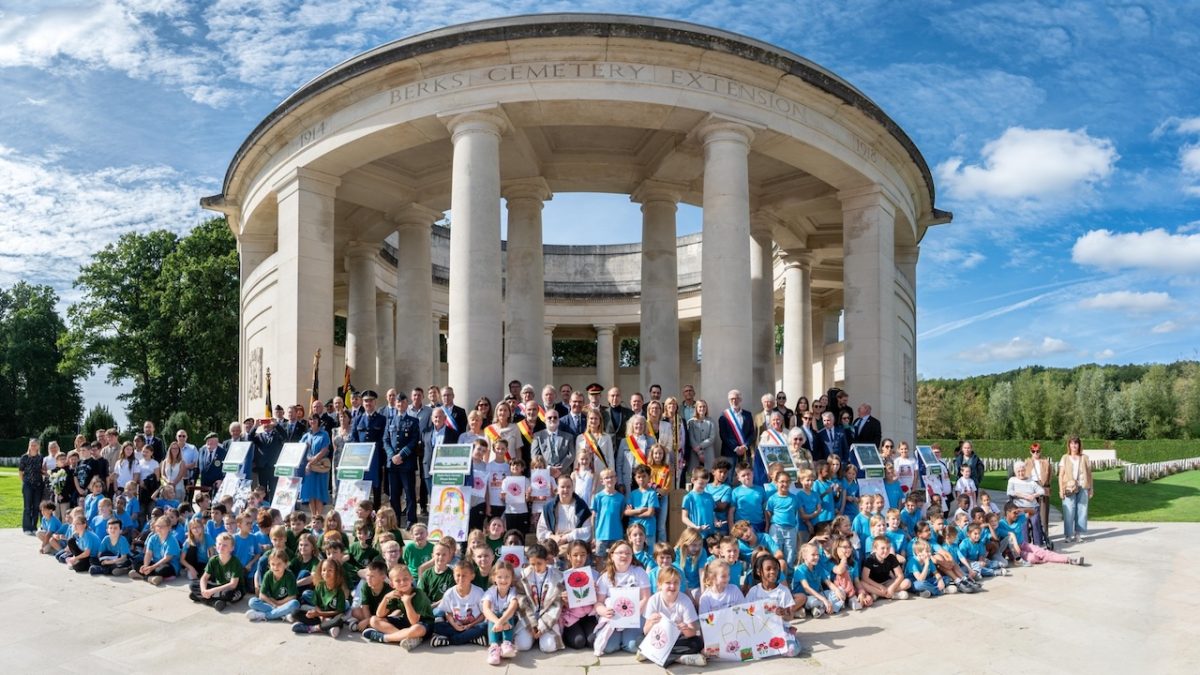
The plaque was unveiled at the Ploegsteert Memorial during a ceremony attended by diplomats from the UK, Canada, Australia, New Zealand, France, Germany, and Ireland, alongside local officials and schoolchildren. It marks the culmination of a process that began in 2016 and led to 139 WWI cemeteries and memorial sites along the former Western Front being inscribed on UNESCO's World Heritage List in 2023. That transnational listing stretches across Belgium and France, tracing a front line that once ran roughly 700 kilometers from the North Sea to the Franco-Swiss border.
Of those 139 sites, 96 are in France and 43 in Belgium. Flanders claims 27, Wallonia 16. But here's the striking part: eight of Wallonia's sites sit within the tiny municipality of Comines-Warneton, which includes Ploegsteert. That concentration speaks to the intensity of the fighting that scarred this pocket of land a century ago.
Yves Rouyet, chair of the Belgian Commission for UNESCO, said at the ceremony that the recognition is powerful, especially because some children present may have fled war themselves. He also reminded everyone that soldiers from China and Africa, often forgotten in the standard narrative, fell here too. Remembering their stories, he said, helps break down "barriers of racism."
British troops arrived in October 1914 and dug in around Ploegsteert. Unlike nearby Ypres, this sector never saw the great offensives. After the brutal fighting of 1914 and 1915, Ploegsteert Wood became a comparatively quiet stretch of the Western Front, used as a rest area for British and Commonwealth troops. Quiet, though, was relative. Soldiers still endured years of trench warfare, shelling, raids, and underground mine warfare. Many who died here fell in the daily grind of holding the line, not in a single dramatic battle.
The area also holds one of the war's rare heartwarming episodes. On Christmas Eve 1914, British and German soldiers in several sections of the front spontaneously stopped fighting. They sang carols and met in the no man's land between the trenches to exchange greetings and small gifts. Ploegsteert was one of the unlikely stages for that Christmas Truce.
Across the Western Front, more than two million soldiers were buried in military cemeteries and necropolises, while hundreds of thousands remained missing or unidentified. The Ploegsteert Memorial alone commemorates more than 11,000 British and Commonwealth servicemen with no known grave. The ceremony ended with a special Last Post at the memorial, a tradition that echoes daily at Ypres's Menin Gate.
Mayor Alice Leeuwerck hopes the UNESCO designation will breathe new life into remembrance tourism, which saw a surge during the 2014-2018 centenary commemorations. She sees potential for the local economy, especially south of Ypres, where visitors often skip in favor of the more famous battlefields. For travelers interested in a deeper, quieter exploration of WWI history, this corner of Wallonia offers a chance to walk the same woods and fields where soldiers once rested, fought, and died.
If you're planning a trip, Ploegsteert is easy to reach from Ypres or Lille. The memorial site is open year-round, and the surrounding countryside is dotted with cemeteries and bunkers waiting to be discovered. For a broader look at the region's underrated appeal, check out Wallonia's hidden corners. And if you're curious about other UNESCO milestones in Belgium, read about the beer festival that just got 10 days longer.
Six more plaque unveilings are planned across Belgium, with the next at Tyne Cot Cemetery in Zonnebeke on October 6. Ceremonies will follow in Heuvelland, Ypres, Nieuwpoort, Poperinge, and Mons. Each one will add a new layer to the story of how a generation's sacrifice is being remembered, and how a small village's nickname became part of that enduring legacy.