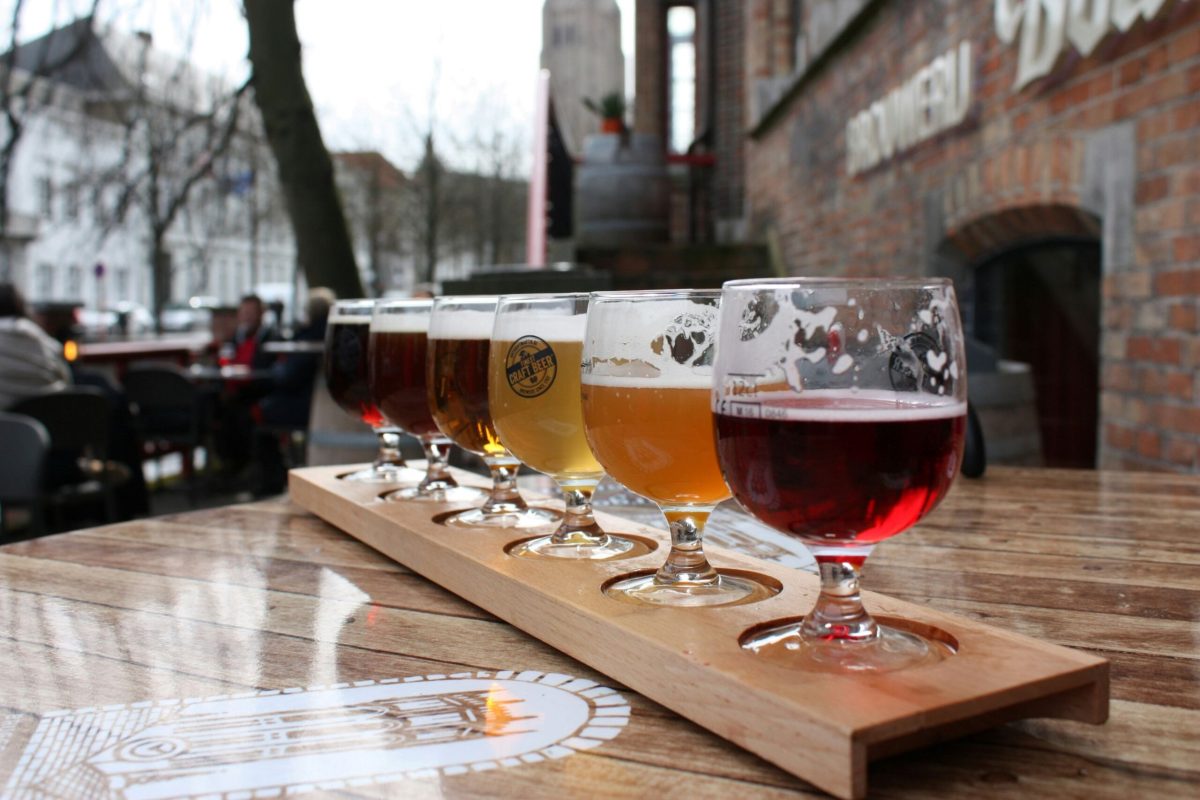
Picture this: over 500 beers from 49 breweries converging in Brussels' Grand Place, waiting to be tasted. This isn't fantasy. It's happening September 4-13, 2026, as part of the 26th edition of Belgian Beer Weekend, and this year it's stretching to 10 days instead of the usual weekend format to mark something genuinely historic.
Ten years ago, Belgian beer earned recognition from UNESCO as part of humanity's intangible cultural heritage. This is the same status given to things like flamenco dancing, Japanese tea ceremonies, and French gastronomic meals. When an organization that evaluates world heritage decides your beer culture matters enough to protect it for future generations, you've reached a level of legitimacy that brewers can only dream about.
More Than Just a Beer Tasting
The festival kicks off with an opening weekend at Brussels' Saint Michael and Saint Gudula Cathedral, followed by an educational event at City Hall. Both feel like fitting venues for something that's become a cultural institution. Then comes the transformation of the Grand Place, where visitors can sample from legendary Trappist breweries alongside scrappy microbreweries innovating in garages and small-batch facilities across the country.
Admission is free, but tastings cost tokens. You'll receive a payment card upon arrival that you can load via QR code or at a booth. This system keeps things flowing smoothly, and if you're bringing a group, prepaid cards let hosts treat their teams or clients without cash changing hands on-site.
Beyond the main plaza, the "Belgian Beer Culture Bar" at Beursplein operates throughout the entire 10 days, showcasing about 40 breweries with hands-on brewing activities. If you want to go deeper, the Belgian Beer World museum inside the historic Bourse building offers interactive exhibits, tastings, and rooftop views that walk you through Belgium's brewing legacy from before you visit until after you leave.
Practical Matters for Festival-Goers
A few ground rules: backpacks and luggage aren't permitted on-site, and there are no storage lockers. However, festival partner Radical Storage offers luggage storage nearby starting at roughly 7 euros per day with insurance up to 3,000 euros. Travel light, leave valuables at home, and you'll be fine. Pets aren't allowed, except certified service animals.
The festival is built for crowds, so expect busy afternoons and evenings. Those who prefer quieter mornings or less-congested tasting sessions should plan accordingly. If you're arriving by rail, Belgium's train network makes reaching Brussels straightforward, and once you're in the city, you're minutes from everything.
When the Festival Extends Beyond Brussels
The final weekend, September 12-13, spills into the medieval city of Bruges, which hosts its own Bruges Beer Festival. This gives travelers a chance to taste in two completely different settings: one cosmopolitan and sprawling, the other intimate and steeped in centuries-old architecture. Bruges' festival adds another layer to what's already a sprawling celebration of Belgium's brewing identity.
For those who can't make September 2026, the calendar doesn't have to stop you. Belgian Beer World stays open year-round, and hundreds of breweries across the country welcome visitors for tours and tastings whenever you can get there. The UNESCO recognition and the festival's 26-year track record reflect something real: Belgium takes beer seriously in a way that feels less like tourism and more like cultural preservation.