Imagine something so ordinary that it becomes historic simply by being first. That's the story of "Me at the zoo," a shaky 19-second recording uploaded to YouTube on April 23, 2005. Jawed Karim, one of YouTube's founders, stood in front of elephants at the San Diego Zoo and made a brief remark about their trunks. Nobody knew that this casual moment would launch the creator economy, reshape media, and eventually earn a permanent home at London's Victoria and Albert Museum.
The V&A's acquisition goes beyond just preserving the video itself. The museum spent roughly 18 months reconstructing the entire YouTube watch page as it appeared in December 2006, working closely with YouTube's design team and a London-based interaction studio called oio.studio. They used preserved website code from the Internet Archive to get every detail right: the layout, the interface, even the banner ads from that era. Visitors can now see not just a clip, but the entire digital experience of YouTube's childhood.
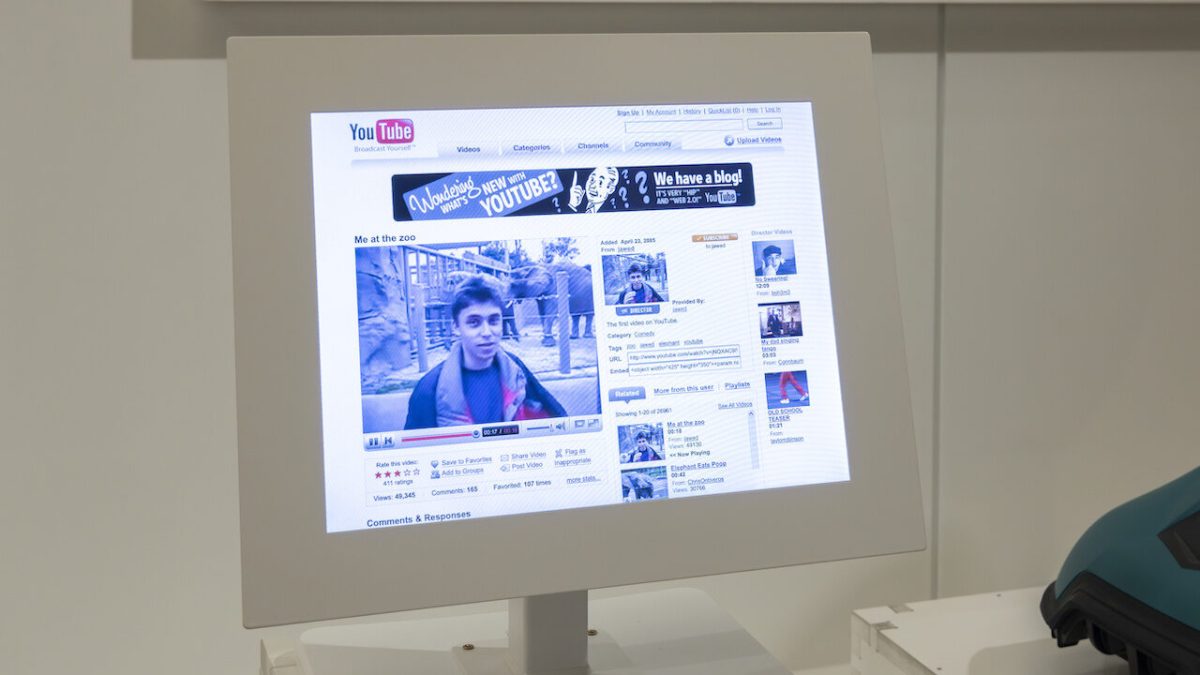
"This snapshot of YouTube in its early days marks an important moment in internet and digital design history," said Corinna Gardner, Senior Curator of Design and Digital at the V&A. "It gives us new ways to explore how online platforms have shaped culture and creativity." YouTube CEO Neal Mohan echoed that sentiment, calling it "wonderful" to see a video that began as "a simple 19-second moment of self-expression" become a global force for storytelling.
Why a Grainy Zoo Video Matters Now
It's easy to overlook what "Me at the zoo" actually did. Before this upload, sharing video online required technical expertise, expensive equipment, and gatekeepers who decided what was worth watching. Karim's clip proved that anyone with a camera could broadcast to the world. The platform he helped create democratized content creation and eventually powered how we consume media, from educational creators to travel vloggers to the countless people who built careers on the internet.
That's why the V&A sees this as essential cultural preservation. The museum has traditionally focused on paintings, sculptures, and decorative arts spanning 5,000 years of history. But digital culture moves fast and can vanish just as quickly. The acquisition of "Me at the zoo" reflects a growing recognition that websites, viral clips, and online interfaces are as worthy of preservation as any oil painting or ceramic vessel. The museum already preserves the dancing baby from 1996 (arguably the first viral video) and even Nyan Cat, the pixelated cat animation that somehow became an NFT.
Where to See It When You Visit London
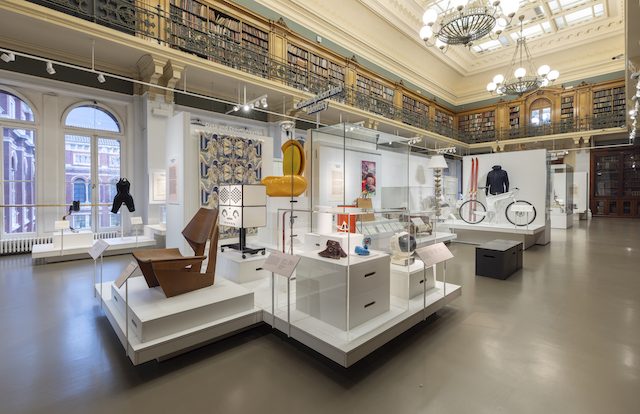
If you're planning a trip to London, the V&A should already be on your list. Located in South Kensington, it's one of the world's largest museums of art and design. The "Me at the zoo" display and reconstructed YouTube interface live in the Design 1900-Now gallery, which explores how technology and everyday objects shape modern life. You can walk through millions of objects, from fashion and furniture to photography and digital design.
For a deeper dive into how digital culture gets preserved, head to the V&A East Storehouse in Stratford. This location offers behind-the-scenes material on the YouTube page reconstruction, showing visitors exactly how museums approach the tricky business of archiving the internet. It's a fascinating look at a problem museums never had to solve before: how do you preserve something that exists only as code and pixels?
The V&A's commitment to evolving what museums preserve signals something broader happening in cultural institutions worldwide. The fleeting, the digital, the borderless corner of human expression that once seemed too temporary to matter, is now recognized as central to understanding modern life. A teenager with a camera, an elephant, and 19 seconds of footage. That's how you change the world.