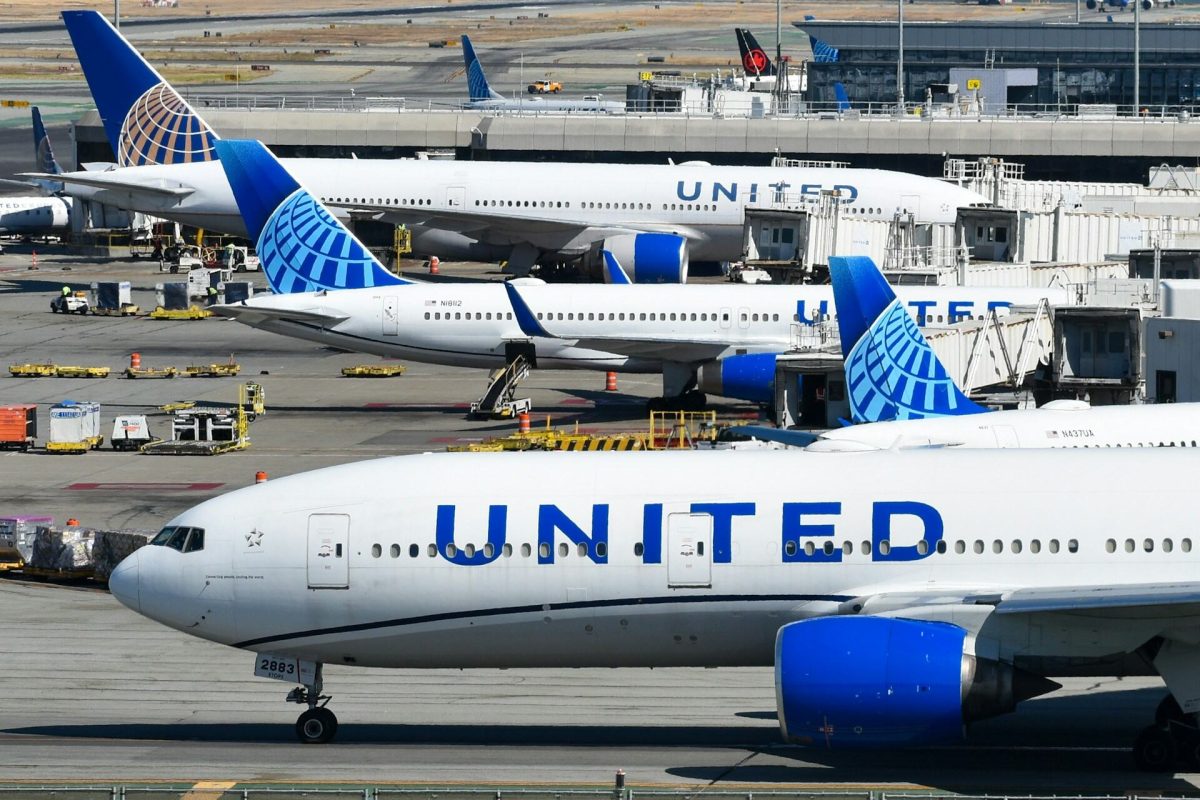
Starting April 2026, United Airlines is making a fundamental shift in how it hands out rewards to its MileagePlus members. The change is significant enough to matter for anyone who flies United regularly, yet simple enough to understand: the airline is now betting that credit card partnerships matter more than loyalty to the airline itself.
Here's the reality check. If you fly United without their credit card in your wallet, you're about to earn miles at roughly 40% of the previous rate. That five miles per dollar you've been collecting? It drops to three miles per dollar on ticket purchases. Meanwhile, cardholders will earn six miles per dollar, or up to nine miles per dollar depending on which premium card they hold. The gap between card and non-card members just widened considerably.
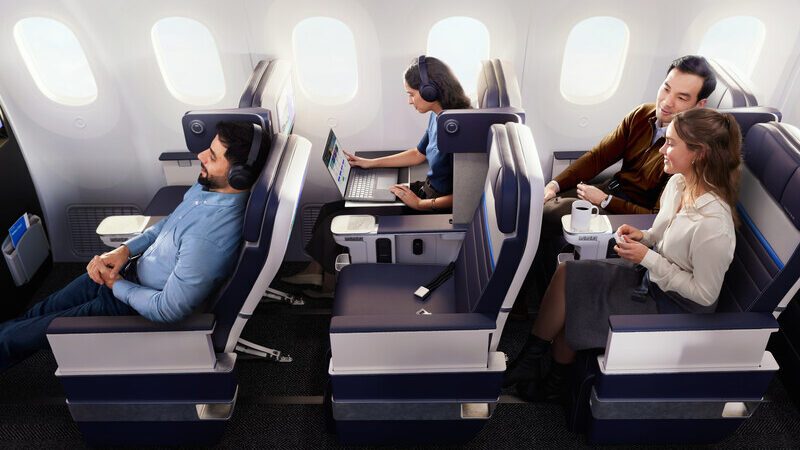
The Basic Economy cabin gets hit hardest by these changes. Non-cardholders will earn zero miles on basic economy fares, which already come with seat selection restrictions and late boarding. If you're the type who buys cheapest tickets and watches the miles stack up, that income stream vanishes. Cardholders still earn three miles per dollar even in this lowest fare class, while elite frequent flyers get intermediate benefits depending on their card status.
Where Credit Cards Actually Win You Something
The airline isn't just cutting miles for non-members. It's also sweetening the deal for cardholders in ways that go beyond earning rates. United is now offering discounted award redemptions, with cardholders getting at least 10% back when booking with miles. Elite frequent flyers who hold a card get 15% back. A 15,000 mile ticket drops to 13,500 miles for a regular cardholder, which adds up if you're booking multiple flights.
One perk deserves special attention: cardholders now gain access to discounted business class award seats on international routes. United's Polaris cabin has lie-flat beds and proper business class service, and previously these lowest-priced award seats went almost exclusively to top-tier elite members. Under the new system, you just need the right credit card. That's a meaningful benefit if you're saving miles for a premium cabin experience.
Why Airlines Are Playing This Game
This isn't United acting alone. For roughly a decade, major US carriers have shifted their loyalty programs from rewarding distance flown to rewarding money spent. American Airlines and Delta have already cut basic economy earnings. What's changed is how aggressive airlines have become about pushing credit card adoption. Loyalty revenue, generated by credit card partnerships, now matters more to airline finances than actual ticket sales.
United confirmed it spent around 18 months designing this overhaul. The airline believes the new structure makes its credit cards more compelling in a competitive rewards marketplace. For United, that's probably true. For travelers without cards, the math is getting less attractive.
What Frequent Flyers Should Know
Premier members (those who reach elite status through spending or flights) will still earn extra miles compared to base members, but the multipliers vary by card type. The airline has set a cap at 75,000 miles earned per ticket, so buying one expensive ticket won't suddenly load your account. Taxes and fees never generate miles.
The takeaway is straightforward but consequential. If you fly United regularly and don't hold a co-branded credit card, your mile-earning velocity just dropped significantly. You have options: apply for a card and start benefiting from the higher earning rates and discounts, reduce your United flying if the economics no longer work for you, or accept slower mile accumulation. United is betting that enough people will choose the first option to justify the change.