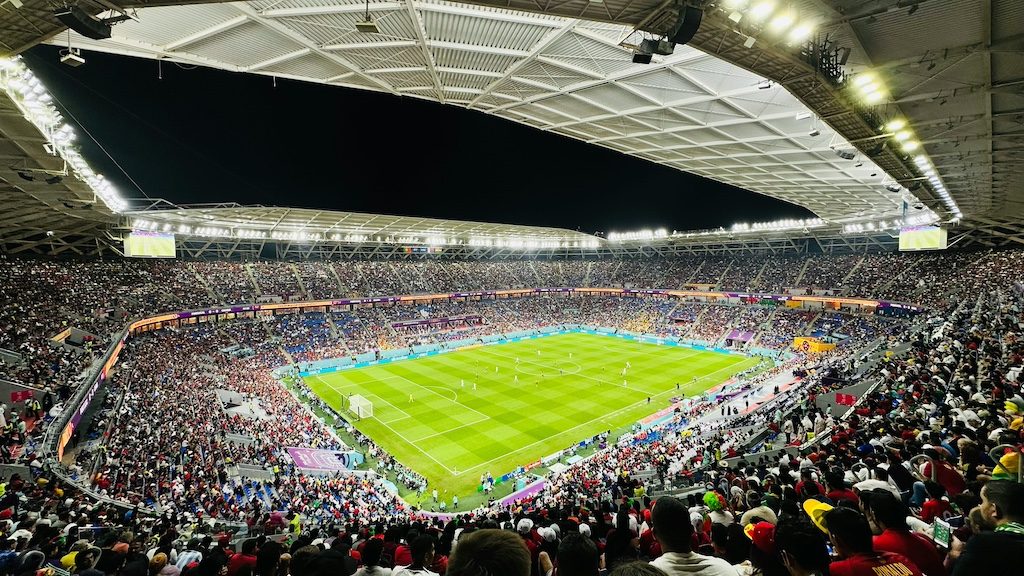
Here's a puzzle for travel marketers: your country lands one of the planet's most coveted hosting gigs, and tourists still don't show up. That's the uncomfortable reality facing America as the 2026 FIFA World Cup approaches.
For years, the US tourism sector has been bleeding visitors. The decline accelerated in 2025, with a 5.4 percent drop in arrivals compared to the previous year. Overnight stays sank 6.3 percent. Meanwhile, the rest of the world's travel market climbed 4 percent. The gap is stark and growing.
Why Are Travelers Avoiding America
The culprit has been branded the "Trump Slump" in industry circles. Political rhetoric about annexing Canada and Greenland, combined with aggressive immigration policies and proposals for mandatory social media disclosure at the border, have spooked travelers abroad. Add visa cost hikes and official travel warnings from multiple countries, and the picture darkens further. Some nations have slapped outright bans on their citizens visiting the US, citing security concerns.
The messaging problem is real. When international news outlets run stories about tourists being detained for days or interrogated about their social media accounts, booking agents in London, Tokyo, and Sydney take notice. Europeans, a crucial market, have virtually fled. Travel from Western Europe to the US has dropped over 12 percent, according to recent reporting.
The World Cup Was Supposed to Be the Fix
Tourism economists had done the math and painted a rosy picture. Hosting the World Cup alongside Canada and Mexico would generate a "powerful rebound," analysts at Tourism Economics predicted. They forecast a 3.7 percent jump in overnight stays, with roughly one-third of that bump attributed directly to the tournament. It sounded perfect: a massive sporting event to remind the world that America is a destination worth visiting.
The data doesn't back up that optimism. January 2026 saw five percent fewer visitors than January 2025. February ticked up just 0.8 percent. Transatlantic flight bookings from Europe to the US for summer 2026 are running 14 percent lower than summer 2025 numbers, according to aviation intelligence firm Cirium. That's a declining baseline getting worse.
Hotel occupancy forecasts tell a similar story. Revenue per available room is expected to rise just 1.7 percent in June and July, when the tournament will run. That's hardly the surge the industry needs. Even more revealing, many of those rooms were booked years ago when the US was first announced as a co-host. Current confirmations are sitting between zero and 15 percent. People are ghosting their own reservations.
The Marketing Machine Is Broken
One other blow landed hard in 2025: the federal government slashed Brand USA, the marketing authority that promotes American tourism overseas. Cutting your promotional budget precisely when you're trying to combat a perception problem seems backwards, but that's what happened.
The travel and tourism sector supports at least 140,000 US jobs. The economic ripple effects of this slowdown extend far beyond hotels and airlines. Yet flight prices have climbed, which only makes the US a harder sell to budget-conscious travelers weighing multiple destinations.
Will bookings improve as the tournament gets closer and excitement builds? Maybe. But right now, the trajectory points downward. A World Cup can move the needle, but it's not a magic eraser for geopolitical friction and border policy concerns. For travelers considering where to spend their vacation money, those factors still matter more than any sporting event.