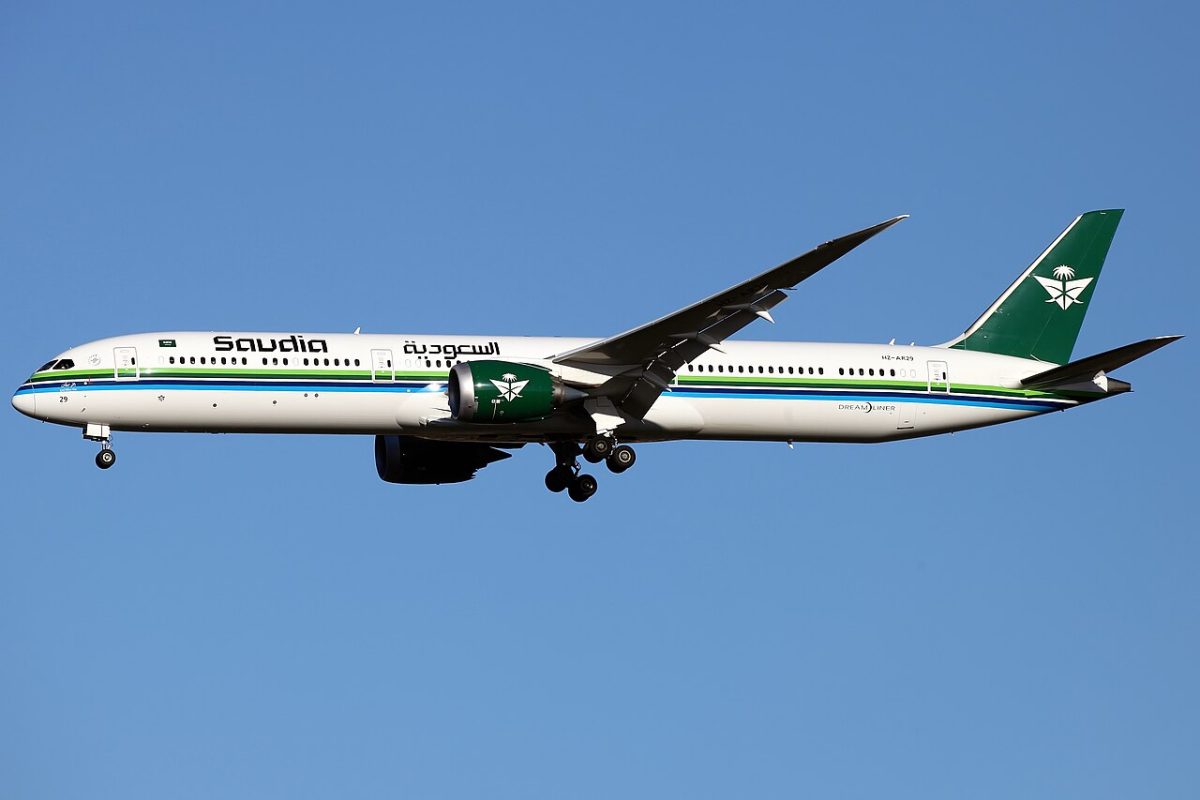
The aviation industry is in crisis mode. In late February, jet fuel cost $2.50 per gallon in the U.S. By March 30th, it had climbed to $4.62. That's an 85 percent jump in less than four weeks, and the ripple effects are reshaping how and where you can fly.
Fuel represents roughly a quarter of what airlines spend to operate. When prices spike this dramatically, the math breaks down fast. United Airlines CEO Scott Kirby didn't mince words when he announced the airline would slash 5 percent of its planned flights immediately. He projected jet fuel could hit $175 per barrel and stay above $100 through the end of 2027. For United alone, that means an extra $11 billion in annual fuel costs.
What does that translate to for you? Ticket prices are about to jump. Kirby suggested fares could rise by 20 percent if elevated fuel costs persist. Delta Air Lines already absorbed an extra $400 million in fuel expenses during March, and the airline didn't waste time passing that burden to passengers. American Airlines, Lufthansa, Air France-KLM, Qantas, Thai Airways, and Cathay Pacific are all raising fares simultaneously. This isn't a glitch or a temporary blip. It's a systemic reset happening across the entire industry.
Which Airlines Are Most at Risk
Not every carrier will weather this storm equally. Budget airlines are uniquely vulnerable because they operate on razor-thin margins. When you build your business model around cheap tickets and high passenger volume, a 85 percent fuel cost increase doesn't leave room to absorb the hit. Credit ratings agencies have identified JetBlue, Frontier Group, and Spirit Airlines as sitting on the shakiest ground. Meanwhile, Delta and United, despite their struggles, have deeper pockets and more pricing power than their scrappy competitors.
This imbalance creates opportunity for the big players. Kirby's comments suggest United and others are eyeing distressed rivals as acquisition targets. The last time fuel prices triggered a merger wave, it reshaped the entire U.S. aviation landscape during the 2008 financial crisis. We could be headed toward something similar, though this time the catalyst is geopolitical rather than economic.
Flight Cancellations Are Already Here
Beyond price hikes, disruptions are mounting. Airlines are canceling flights outright or rerouting them to avoid unstable airspace in the Middle East. Some carriers are gutting schedules and ramping up fares simultaneously, leaving travelers with fewer options and higher bills. Cargo carriers have felt the pinch even harder. Air freight rates surged 95 percent in March alone, with analysts warning rates could exceed pandemic-era records if fuel surcharges keep climbing.
The global tourism industry is feeling the pain. As regional travel becomes more complicated, destinations across the Middle East are losing hundreds of millions in visitor spending. The World Travel and Tourism Council estimates the region's economy is bleeding roughly $600 million per day. That number compounds when you factor in cascading impacts across Asia, Europe, and North America.
What Travelers Should Do Now
If you're planning to fly soon, book immediately. Fares will continue climbing as airlines adjust pricing systems to reflect fuel costs. Flexibility becomes your best weapon. Consider flying during off-peak hours or choosing airlines with stronger balance sheets if you want some assurance your flight won't be canceled. Budget carriers might offer rock-bottom prices, but the risk of operational disruptions is higher.
Avoid the Middle East entirely if your plans are flexible. Regional instability has forced conferences and events to reschedule, and airspace restrictions are creating logistical nightmares. Rerouted flights mean longer journey times, tighter connections, and higher fares.
The airline industry moves slowly, but this crisis is accelerating change. Consolidation, route restructuring, and permanent price hikes are coming. The window to book flights at current rates is closing fast. Travel now, or expect to pay significantly more later.