Here's a travel story that starts with a crisis and ends at the dinner table.
The Mediterranean is under siege. More than 1,000 invasive species have muscled their way into these waters, choking out native fish and upending the delicate balance that has kept these ecosystems alive for centuries. Off the coast of Cyprus, the damage is particularly severe. Native fish stocks have plummeted by up to 60%. In some fishing grounds, invasive species make up more than half the daily catch, and fishermen throw most of it back as worthless.
Then came an unexpected solution: eat them.
When Dinner Becomes Conservation
easyJet holidays partnered with local fishers, chefs, and hotels on an initiative called "Fish the Alien Phase II." The concept is deceptively simple. Instead of discarding invasive species, introduce them to restaurant menus. Tourists get to taste something new and feel good about their choices. Native populations get a break from fishing pressure. Invasive numbers decline through harvest. Local workers find stable employment. Everyone benefits.
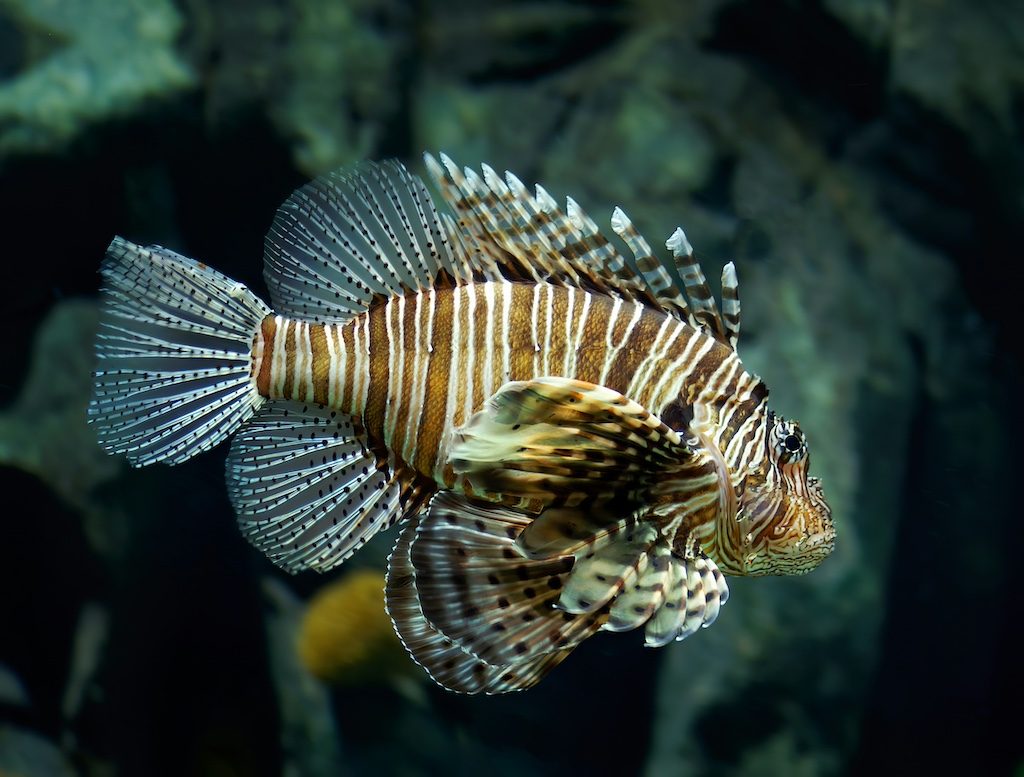
The star player in this story is the lionfish, a venomous predator with no natural enemies in Mediterranean waters. Each female produces over 2 million eggs annually. The results have been catastrophic for reef ecosystems, with native fish populations declining by 79 to 95 percent in some areas. But lionfish, it turns out, taste remarkably good. They're firm, mild, and take to Mediterranean seasoning the way a sponge takes to water.
The Invasive Catch Alliance has been working to reshape how travelers and locals think about these fish. Rather than viewing them as a plague, they're positioned as sustainable, delicious protein and a way for holidaymakers to participate in ocean health as part of their travel experience. A few tavernas in Cyprus have already embraced the approach, and the story made headlines when the Independent reported on fishermen turning the "problem" fish into sought-after menu items.
Scotland's Deer Problem Needs Dinner Too
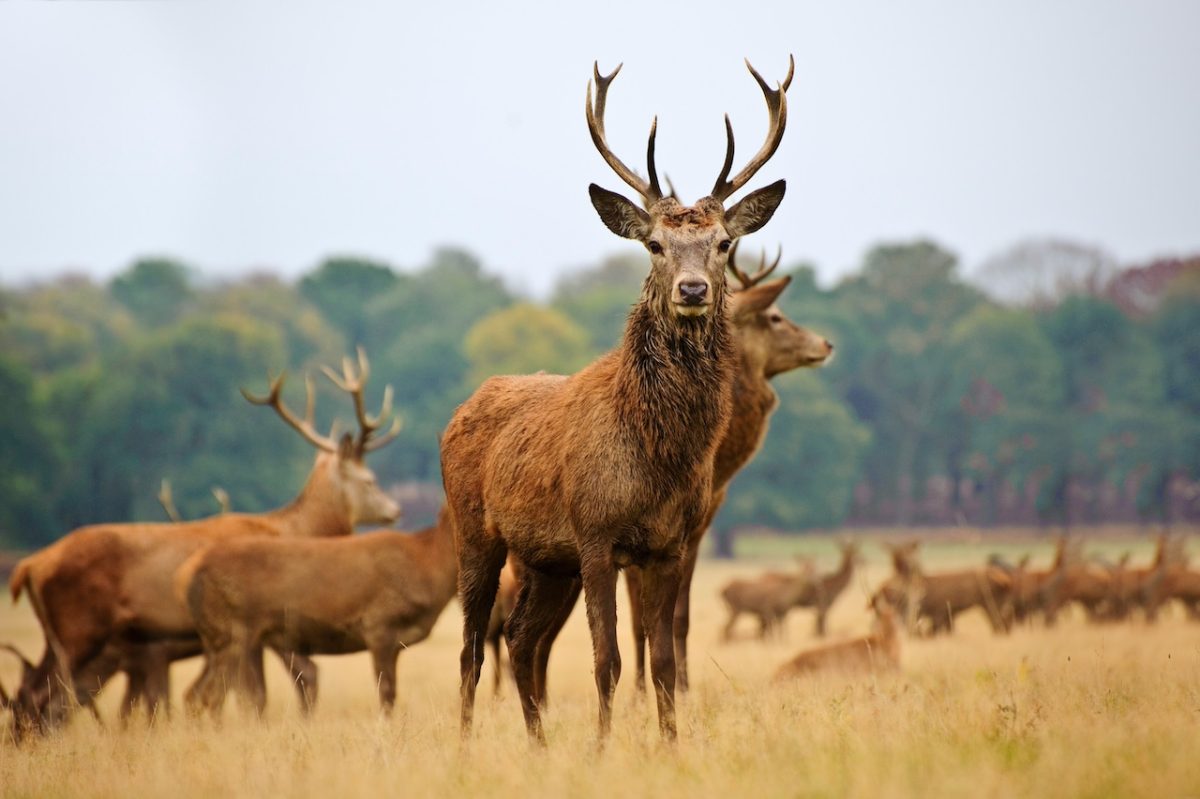
Six thousand miles north, Scotland faces a different but equally urgent challenge. The country's red deer population has roughly doubled since 1990. Currently, there are up to 400,000 red deer roaming open ground and another 105,000 in woodlands, alongside 300,000 roe deer, 25,000 sika deer, and at least 8,000 fallow deer. Without natural predators, these animals are decimating vegetation and destabilizing entire ecosystems.
Population management is necessary, but here's the problem: it only works economically if the culled venison can be sold. And venison is being overlooked in a way that makes little sense.
Consider the facts. Venison ticks every box modern food-conscious travelers claim to care about. The deer live wild and free. They experience no transport stress. The meat is local, high-welfare, nutritious, and low-impact. Professional hunters harvest it with skill, it's inspected and processed to rigorous standards, and it appears on Michelin menus and in village pubs. The supply chain exists. The infrastructure is there.
Yet venison remains treated like a seasonal delicacy instead of an everyday protein. It shows up about 10 times on Visit Scotland's seasonal food calendar, while beef, pork, and chicken occupy every other slot. The food economy prefers uniformity and shrink-wrapped consistency. Venison has seasons, variation, and demands attention from the person cooking it. It refuses to be standardized.
There's also the Disney factor. Bambi did venison no favors. Generations grew up seeing deer as innocent, vulnerable creatures rather than as part of a larger ecological story.
The Path Forward
The Scottish Wildlife Trust suggests that removing barriers to venison sales, such as repealing dealer licensing restrictions, could help smaller independent butchers access and sell local venison more affordably. This would fund the culling necessary for ecosystem health and inject revenue into rural communities.
What's emerging from Cyprus to Scotland is a model of conservation that flips the script. Instead of asking tourists to simply visit and observe, these destinations are inviting them to become part of the solution through what they choose to eat. It's not about sacrifice or guilt. It's about understanding that responsible travel sometimes means making choices that feel luxurious and delicious while doing real environmental work.
The next time you're traveling through the Mediterranean or Scotland, look for lionfish on the menu or venison in a butcher's window. You're not just having dinner. You're participating in something that matters.