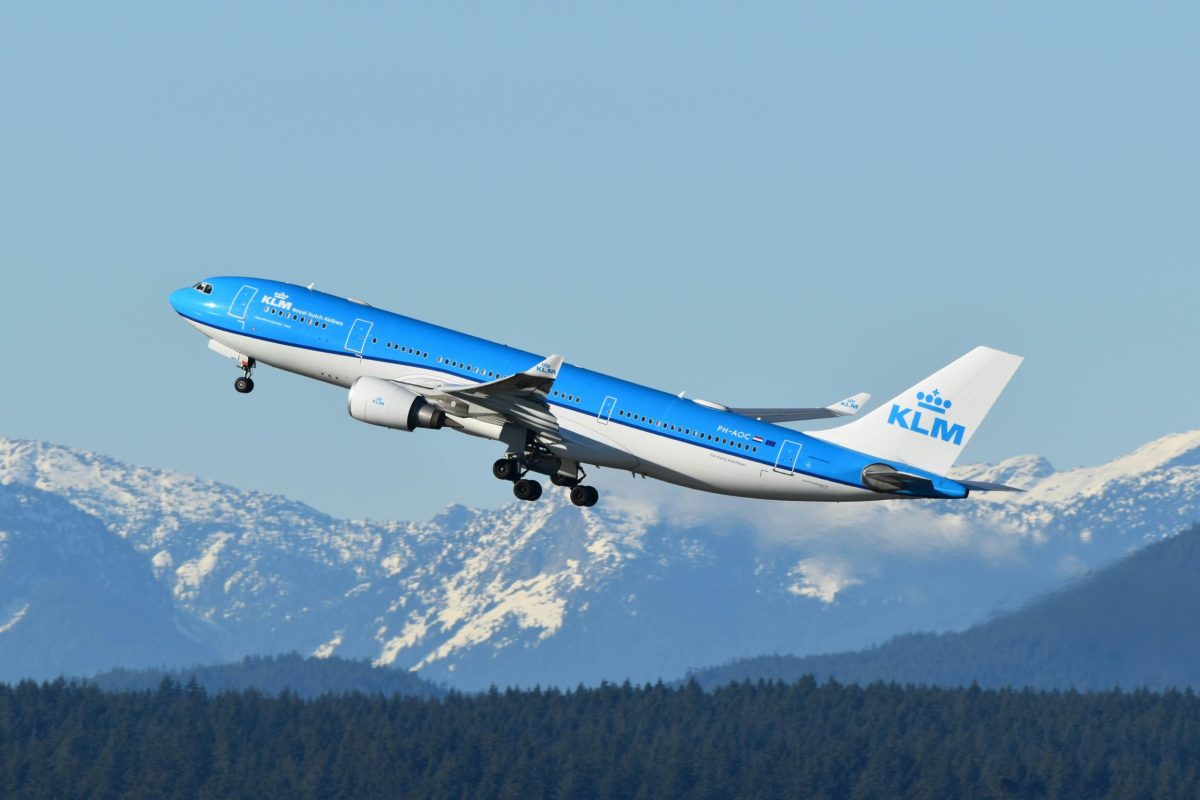
Michael O'Leary doesn't do subtle. The Ryanair CEO recently sat down with Italian newspaper Il Sole 24 Ore and made a prediction that's sent shockwaves through European aviation: two or three major airlines could go under by late 2026 if fuel prices remain elevated. He wasn't coy about naming names either. Wizz Air and airBaltic, he suggested, might not make it through the winter.
The culprit? Fuel costs that have skyrocketed due to geopolitical tensions in the Middle East. O'Leary revealed that Ryanair alone paid an extra $50 million (around $42.6 million) just in fuel surcharges during April 2026. If oil stays at $150 per barrel, that's a $600 million hit for the year. That kind of money doesn't disappear quietly.
Here's the reality check: budget airlines operate on razor-thin margins. They've built their entire business model on squeezing every penny out of operations. When fuel suddenly jumps, there's nowhere left to cut. Your summer flight might not happen, and fuel prices are a big reason why. Ticket prices rise, schedules shrink, and passengers get fewer options.
Who's actually at risk
O'Leary wasn't particularly diplomatic about his competitors' prospects. "If oil stays at these levels, two or three European airlines in October or November could go bankrupt like Wizz Air and airBaltic," he told Il Sole 24 Ore. He even added a jab: "A good thing for our business because there will be fewer competitors." Subtle, he is not.
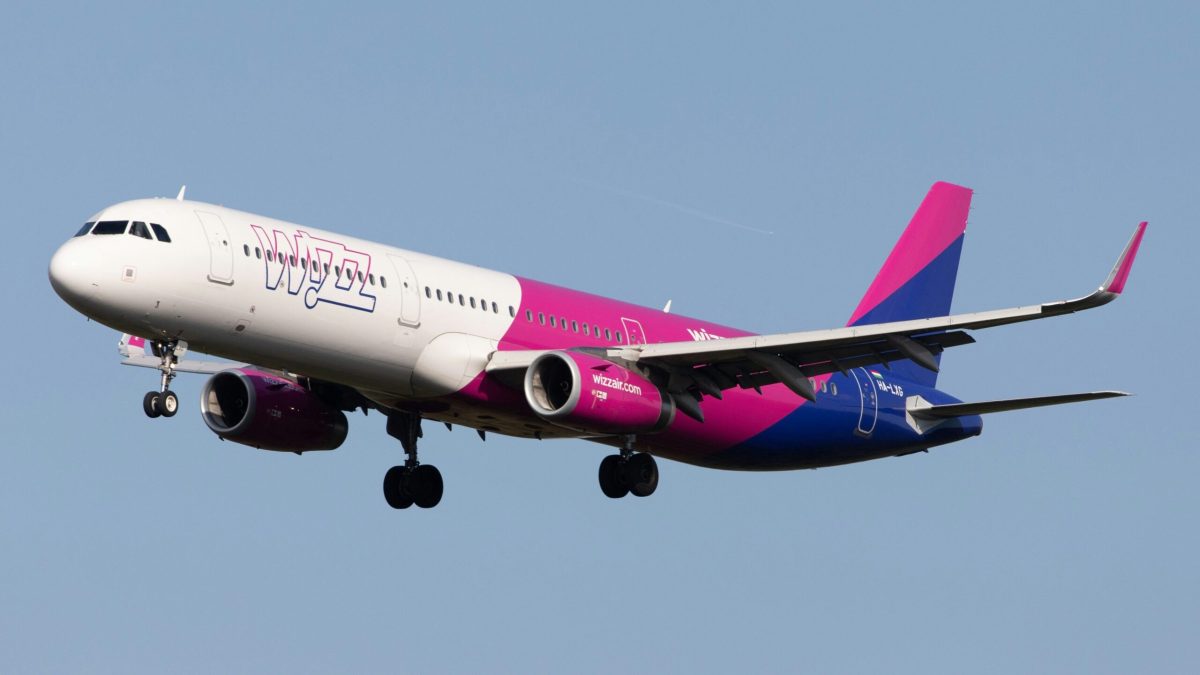
Wizz Air fired back immediately, calling O'Leary's claims "flatly untrue and false." The Hungarian budget carrier pointed to its strong balance sheet, substantial liquidity reserves, and the fact that it funds aircraft 18 months in advance. They're also heavily hedged against fuel volatility and have one of Europe's youngest fleets, with 75% A320neo aircraft that burn significantly less fuel. On paper, Wizz looks solid.
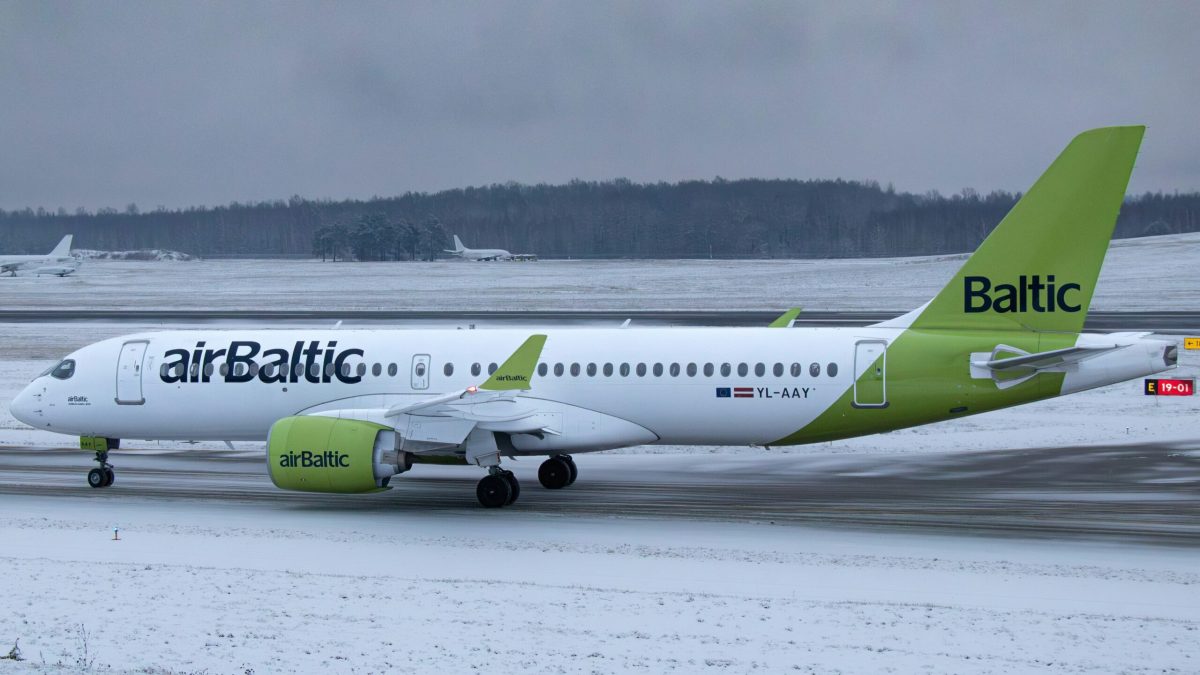
airBaltic, Latvia's national carrier, hasn't publicly responded. But the picture there is murkier. Latvia's parliament approved a $30 million emergency loan in 2026 that must be repaid by August 31 of that year. More concerning, the credit rating agency S&P Global downgraded airBaltic's long-term credit rating to 'CCC+' from 'B-' due to liquidity pressures. That's not the signal of a thriving airline.
What it means for travelers right now
If either airline does collapse, the ripple effects would hit you directly. Fewer carriers competing on European routes means less price competition. Routes that were profitable at rock-bottom fares might disappear entirely. Ryanair's already pulling out of unprofitable markets, and budget carriers would follow suit during an industry crunch.
This isn't the first time O'Leary has questioned Wizz Air's viability either. Back in 2019, he told The Mail on Sunday he thought the airline would be taken over within a few years. Wizz has since doubled down on expansion, so either O'Leary's prediction was wrong or the company's doing an impressive job masking deeper problems.
The broader issue is that geopolitical uncertainty makes forward planning nearly impossible. O'Leary himself acknowledged this: "No one knows what will happen. If the war were to end in late April or early May, there would be no problems with fuel supplies over the summer, but if it continues, we don't know." That kind of unpredictability is what kills airlines. You can't run an airline on hope.
For now, keep an eye on fuel prices and airline earnings reports. If a carrier starts aggressively cutting routes or raising fares across the board, it's a sign they're under real pressure. Book flights for the winter months with caution, and if you're planning a summer getaway, locking in cheap fares sooner rather than later might be smarter than waiting for a better deal.