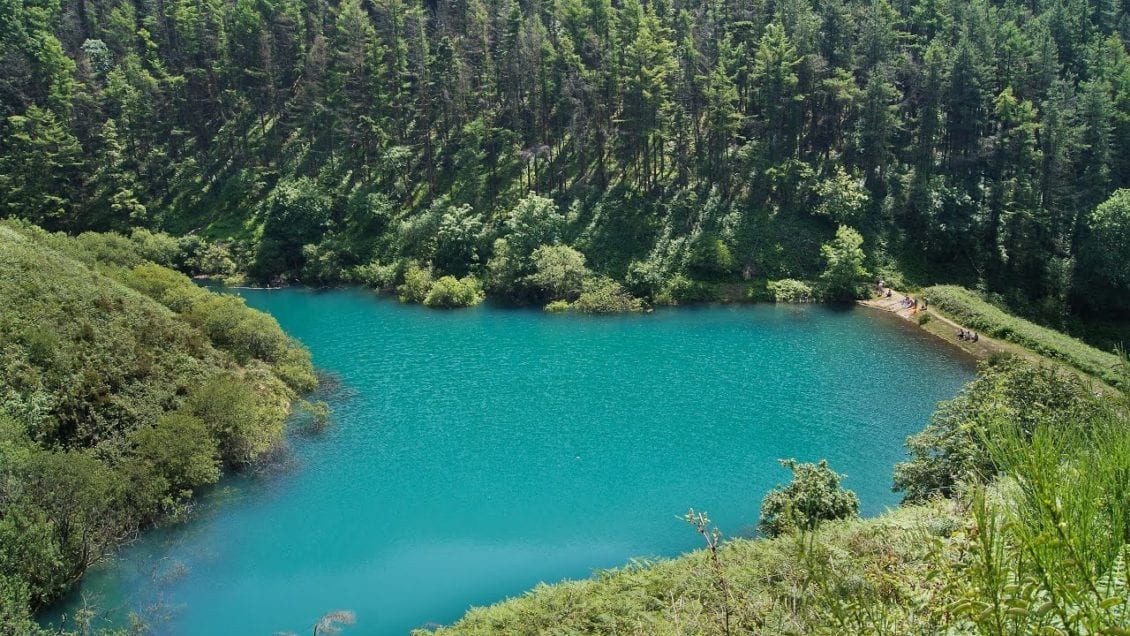
During the pandemic, when travel felt like a distant dream, social media users discovered something magical tucked away in south Wales: a brilliantly blue reservoir that looked like it belonged on a tropical island, not near industrial Port Talbot. Brombil Reservoir became an instant sensation, accumulating hundreds of thousands of tags and attracting droves of day-trippers, wild swimmers, and photographers desperate to capture their own slice of paradise.
The problem? That gorgeous turquoise color isn't a happy accident of nature. It's caused by blue-green algae that produces toxins harmful to humans and animals alike. Swimming here can trigger skin rashes, eye irritation, nausea, and vomiting. What looked like an escape to paradise was actually a health hazard waiting to happen.
The reservoir's story gets more complicated from there. Originally a colliery basin from the 18th century, Brombil was purchased in 2024 by Leisure Estate Investments Ltd for just £20,000. The new owners quickly realized they'd inherited both an environmental challenge and a management nightmare. A 900-meter footpath leads down to the water, but it's steep, poorly maintained, and increasingly covered in litter from the thousands of visitors pouring in each month.
In response, the company installed barriers, banned swimming, hiking, motorcycling, filming, and camping without explicit permission, and introduced a £2 entry fee. They've positioned this as a "site maintenance fee" to fund cleanup efforts, vegetation management, flood channel maintenance, and structural repairs. The company issued a clear warning on social media: "The reservoir is currently a high-risk infrastructure site and remains private property. For your own safety, we strictly discourage public access at this time."
It's a familiar tension playing out across Europe. When hidden gems go viral and suddenly attract overwhelming numbers of visitors, the places themselves often deteriorate rapidly. Similar patterns have emerged in Mallorca's own reckoning with overtourism and other once-quiet destinations now grappling with preservation versus access.
The situation here reflects a broader mismatch between expectation and reality. Online commenters on Reddit have been critical, suggesting the new owners didn't fully understand the implications of owning a reservoir before writing that check. Yet the company's stated vision remains earnest: transform this site into a genuine leisure facility and community health destination, where nature enthusiasts and ecologists can visit safely and responsibly.
For now, if you want to see Brombil in person, you'll need to pay the fee and follow the rules. The owners aren't trying to keep people away permanently, but they are determined to prevent the chaos that unchecked popularity created. Whether that balance proves sustainable remains to be seen. What's certain is that the days of free, unrestricted access to this viral beauty spot have ended.