If you've booked a flight to a major US hub in the coming weeks, brace yourself. The country's airport security system is teetering on the edge of breakdown, with thousands of screeners abandoning their posts due to unpaid wages during yet another federal budget standoff.
The numbers are sobering. Almost 50,000 TSA agents work at US airports, tasked with screening every passenger who steps through a checkpoint. These workers are classified as "essential" under federal law, which means they're legally required to show up even when the government fails to pay them. Two weeks ago, they missed an entire paycheck. Then another shutdown loomed. For many, that was the final straw. Nearly 500 have already resigned, and the absence rate at some facilities has hit 40 percent.
The real-world impact? Chaos on a continental scale. At Houston's George Bush Intercontinental Airport, TSA wait times have stretched past two hours, with security lines snaking through terminals and back into baggage claim areas. With fewer than half the normal number of checkpoints open, passengers are missing flights and travel plans are unraveling across the nation. Similar gridlock is hitting major airports in New York, Los Angeles, Miami, and dozens of other cities.
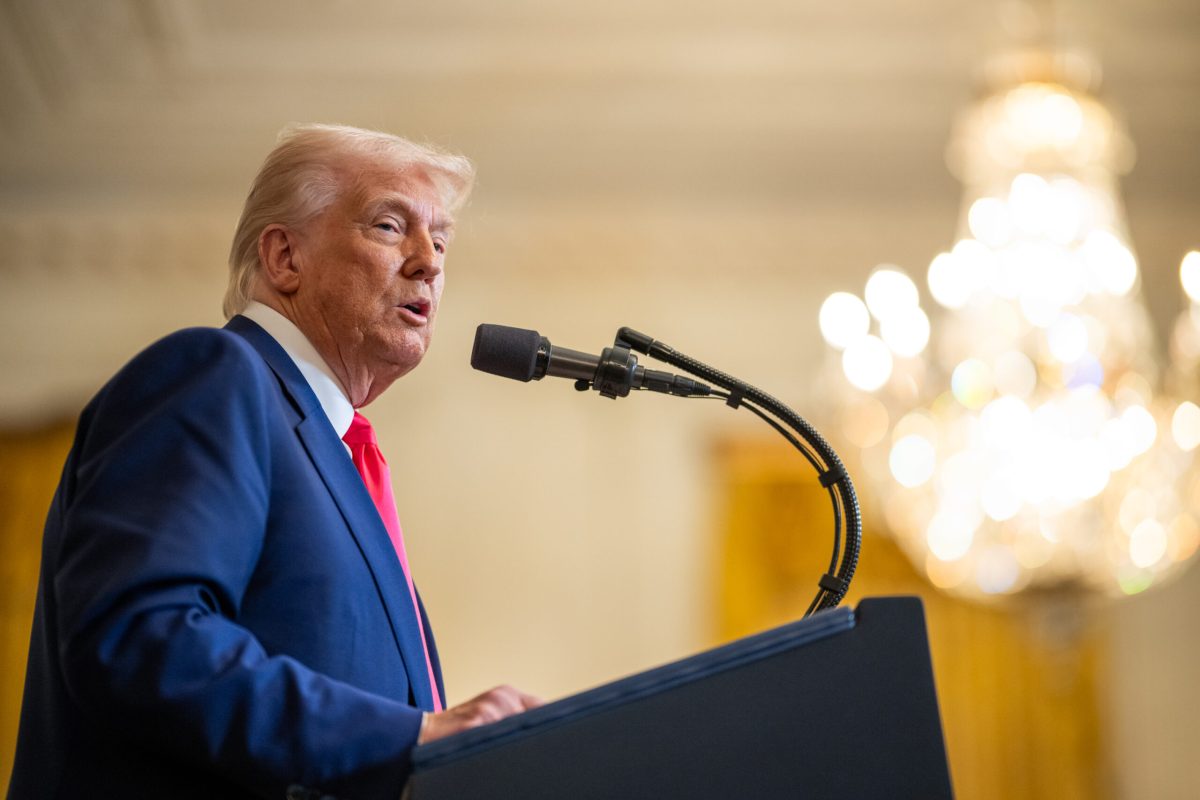
President Trump has responded by ordering the Department of Homeland Security to pay TSA workers immediately, hoping to stop the exodus and reduce delays. However, legal experts are questioning whether the measure holds water. The move may violate the Antideficiency Act, which prohibits government spending without congressional approval. One potential workaround involves drawing funds through the National Emergencies Act, though Trump hasn't detailed how this would work.
To fill the gap while the payment standoff plays out, Immigration and Customs Enforcement agents have been deployed at 13 major airports. The problem? ICE officers are trained in immigration enforcement, not passenger screening. Their ability to handle the volume and complexity of airport security duties remains unclear. Commentators and aviation officials are skeptical about whether this temporary patch will actually reduce wait times or simply create more confusion.
For travelers, this is no minor inconvenience. The staffing crisis touches everything from how quickly you get through security to the overall safety protocols in place. Exhausted, unpaid employees are more likely to make mistakes. Untrained replacements filling in gaps compounds the risk. Senate Majority Leader John Thune has acknowledged that the current payment solution is "a short-term fix" at best.
The bigger problem is systemic. This isn't the first time TSA workers have gone unpaid. During the longest government shutdown in US history in autumn 2025, screeners worked weeks without paychecks. Many stayed at their posts out of duty or financial desperation. When the government finally paid them, morale temporarily improved. But when another shutdown threat emerged, thousands decided they'd had enough and moved to more stable employment.
If you're planning to fly domestically in the near term, arrive even earlier than usual. Budget extra time for security, expect longer waits, and consider flying during off-peak hours if your schedule allows. Check your airline's website for any service adjustments or flight cancellations. Pack extra patience along with your carry-on.
This crisis reflects a deeper dysfunction in how America funds its critical infrastructure. Other nations have faced similar staffing challenges, as seen when European airports braced for strikes over labor disputes. But the difference here is that US airport workers are legally forced to stay on the job without pay. That's unsustainable, and travelers are now bearing the consequences of a broken system.